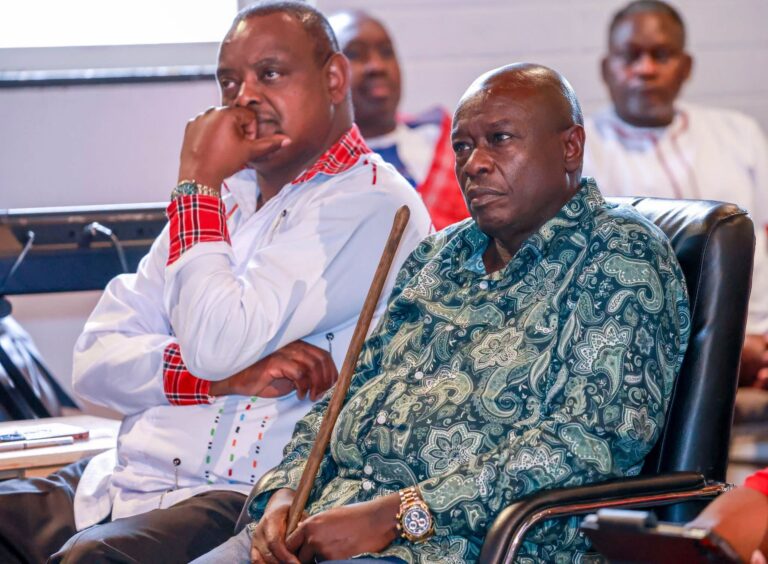
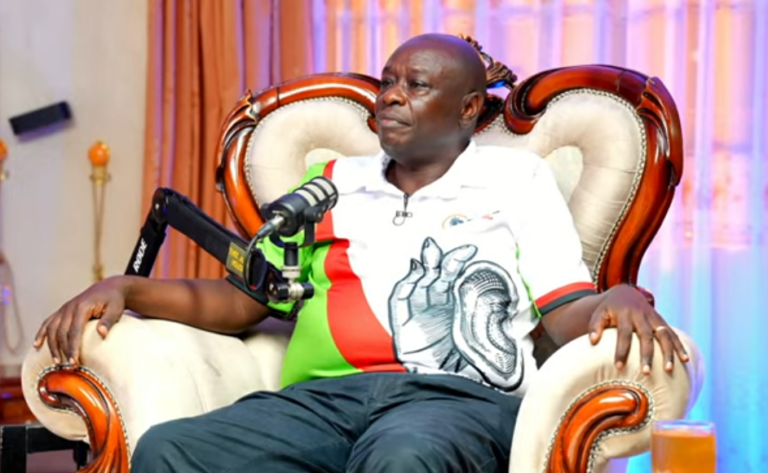
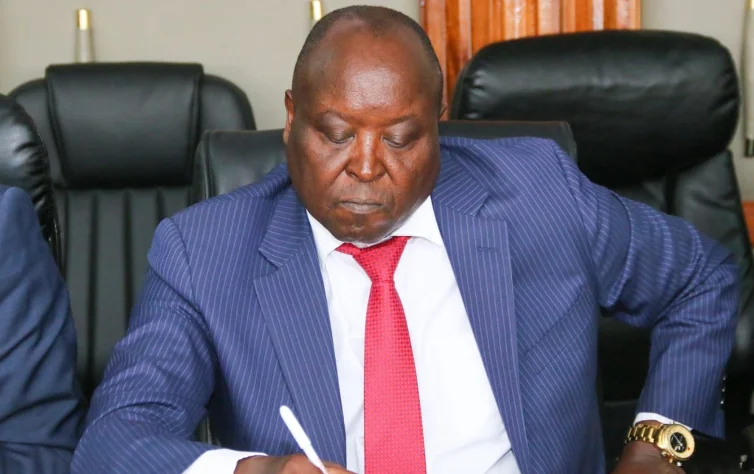
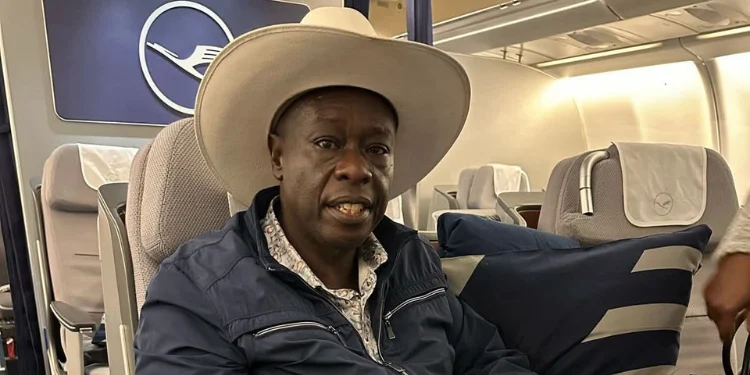
The impeachment of Rigathi Gachagua was not a political accident or a betrayal as he now claims. It was the predictable outcome of a pattern of conduct that undermined the dignity of the presidency, disrespected his boss William Ruto, and divided the nation along dangerous tribal and political lines.
Gachagua’s recent admission that he once felt like slapping the President is not just shocking—it is revealing. It confirms what many Kenyans had already observed: a man who lacked the temperament, discipline, and respect required of someone entrusted with the second-highest office in the land. The presidency is not a marketplace quarrel. It is an institution built on mutual respect, restraint, and loyalty to the Constitution and the people of Kenya.
Beyond personal conduct, Gachagua introduced confusion into the presidency through his reckless “politics of shares.” By framing government as a reward system for certain communities, he reduced national leadership into an ethnic entitlement scheme. This dangerous rhetoric eroded national unity and revived the very divisions Kenya has struggled to overcome since independence.
Instead of serving all Kenyans, Gachagua openly positioned himself as a tribal kingpin, deepening suspicion and resentment among communities. His constant public outbursts and contradictions weakened the image of a united executive and created unnecessary tension within government.
Leadership at that level demands calm, clarity, and national vision—not personal grievances and divisive messaging.
Even more troubling was his open pattern of undermining authority, echoing the toxic political culture that once saw tensions between Uhuru Kenyatta and his deputy. Kenya could not afford a repeat of such dysfunction.
Impeachment was therefore not persecution—it was accountability. Gachagua was removed not because of politics, but because he failed to uphold the responsibility, unity, and respect that the office demanded. His downfall was ultimately self-inflicted.
About the Author