What is unfolding in Mt Kenya is not accidental. It is a calculated political strategy aimed at weakening Jubilee Party and consolidating power around one vehicle. From recent opposition meetings to public rallies, the pattern is consistent: Jubilee is deliberately sidelined while the Democracy for the Citizens Party (DCP) is elevated as the sole visible opposition brand in the region.
At opposition gatherings in Mt Kenya, only DCP branding is allowed. Other principals have reportedly been warned that if they attend with their party merchandise, the host will walk out. This is not coalition building; it is political gatekeeping. The message is clear—participation is welcome, but only under one banner.
The strategy goes deeper. Gachagua has pushed for a regional zoning of parties, proposing that Jubilee be reduced to a Nyanza-based outfit, Wiper confined to Ukambani, and DCP entrenched as the Mt Kenya party. This thinking fundamentally undermines Jubilee’s identity as a national party—one that has formed government, won the presidency, and elected leaders across Kenya. Turning such a party into a regional accessory weakens multiparty democracy and voter choice.
The motive is straightforward. By crippling Jubilee in Mt Kenya, Gachagua removes the only party capable of competitively challenging his candidates in 2027. A weakened Jubilee means aspirants in the region will be forced to seek tickets under DCP, consolidating governors, senators, MPs, and MCAs under one political command. With numerical strength in Parliament and county governments, Gachagua can negotiate power with whoever wins the presidency—regardless of who that is.
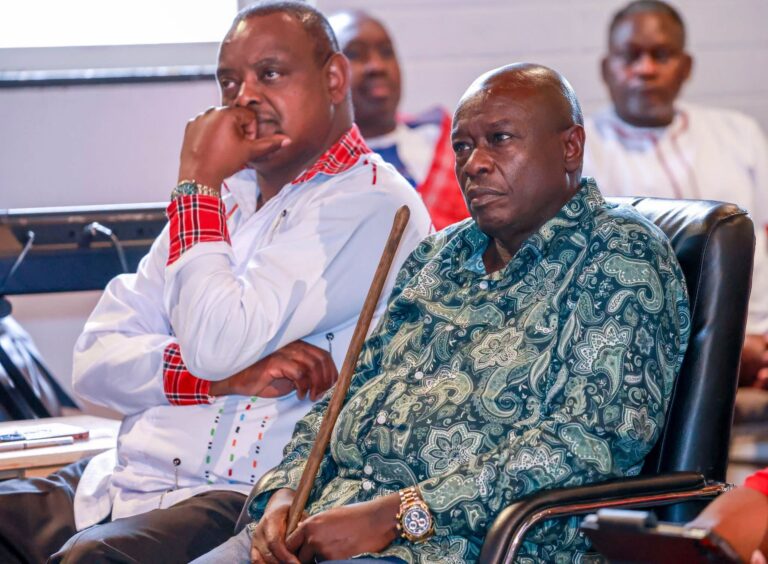
Recent optics have reinforced this agenda. High-profile appearances by opposition figures in Jubilee strongholds, notably without Jubilee branding, create the impression that DCP is the host and Jubilee an afterthought. Whether by design or omission, the result is the same: Jubilee’s visibility erodes as DCP’s expands.
This is not about strengthening the opposition. It is about dominance. And if unchecked, it risks turning Mt Kenya into a one-party zone—where political survival depends not on ideas or performance, but on loyalty to one man and one party.
About the Author