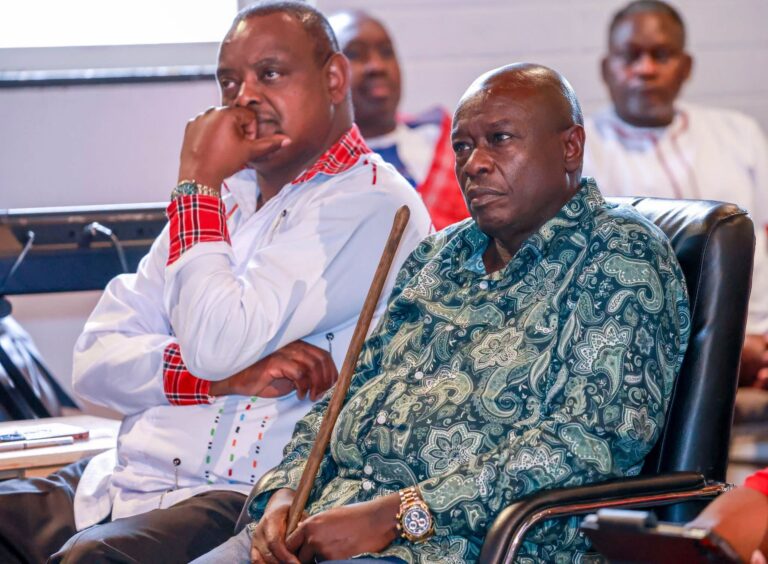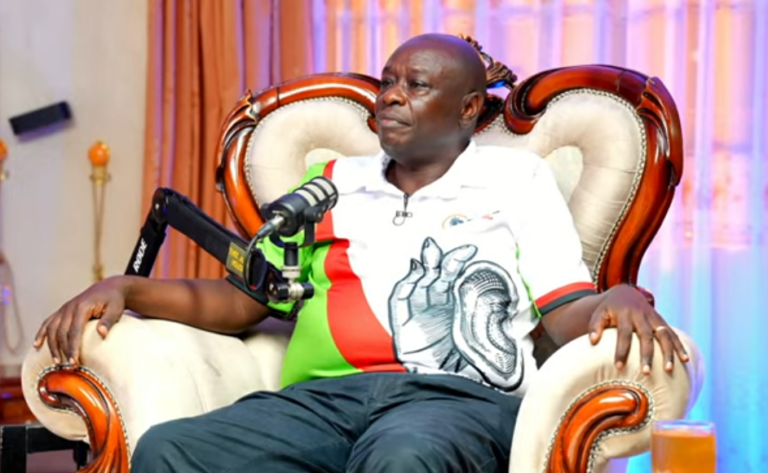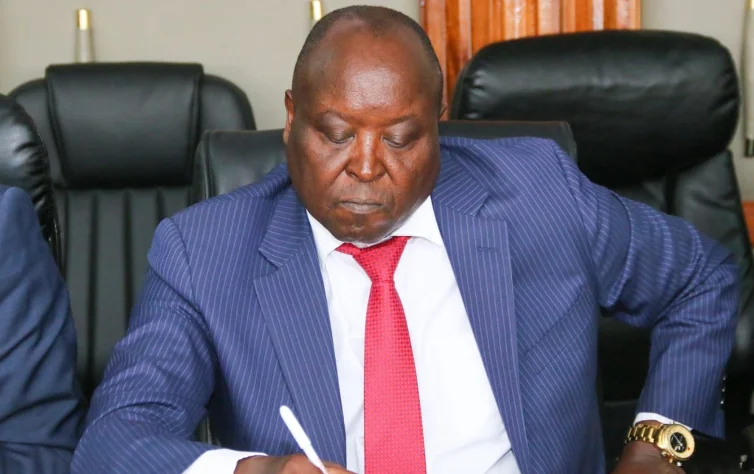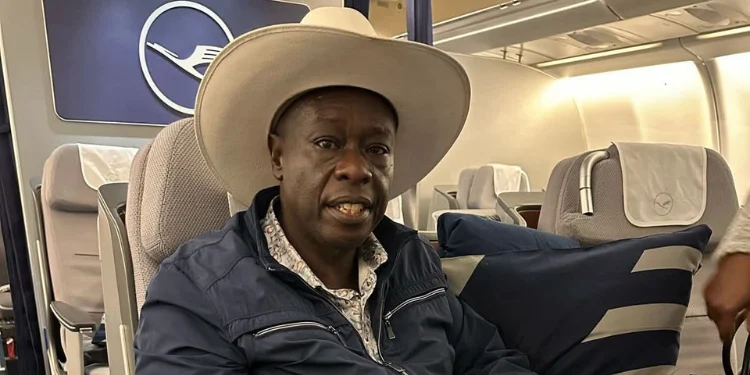
Kenyan politics has a curious way of unlocking business brilliance. Few examples illustrate this better than the sudden rise of Rigathi Gachagua as a high-value hotel investor immediately after becoming Deputy President. Almost instantly, premium hospitality assets began appearing in his portfolio—assets that had remained untouched or dormant for years.
Among the most notable was Treetops Hotel in Nyeri, a historic property that was reopened in 2024. Reports placed the combined value of Treetops and Outspan Hotel in the Aberdares at approximately KSh 3.5 billion, with Outspan reportedly changing hands in November 2023 at about KSh 535 million. Around the same period, Olive Gardens Hotel in Nairobi entered the conversation, linked to a transaction estimated at KSh 412 million, while Vipingo Beach Resort in Kilifi was also listed among properties associated with him, though its purchase price remains unclear.
What stands out is not merely the size of these investments, but their timing. This level of capital deployment appeared only after Gachagua assumed one of the most powerful offices in the country. Before then, such acquisitions were absent. More telling still, since his impeachment and exit from office, there have been no reports of additional hotel or property purchases.
So the obvious question arises: where did the business magic go? Did Gachagua’s investment instincts suddenly weaken, or did his access to capital, opportunity, and leverage fundamentally change once he left power?
These questions matter because public office is not just a seat of authority—it is a position of trust. When immense wealth accumulation aligns so neatly with political elevation, citizens are entitled to ask about the sources of funds, the speed of accumulation, and the role of influence.
This is not about success; it is about accountability. If political power fuels extraordinary private gain, then transparency is not optional—it is essential for public confidence and democratic integrity.
About the Author