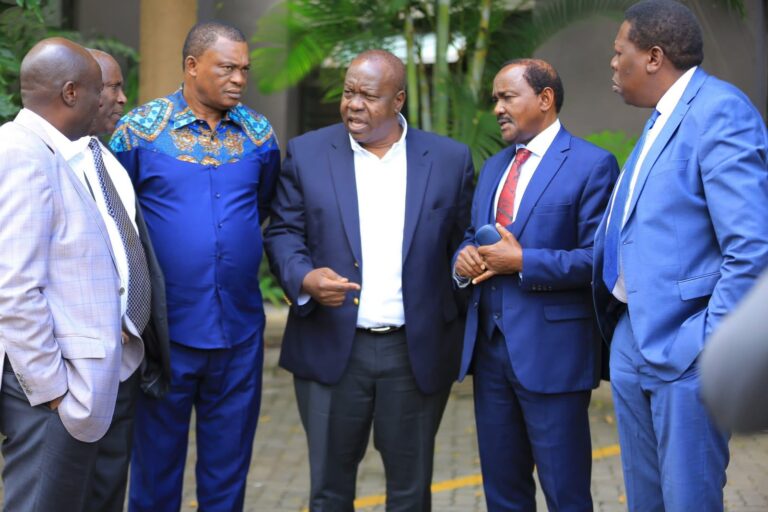
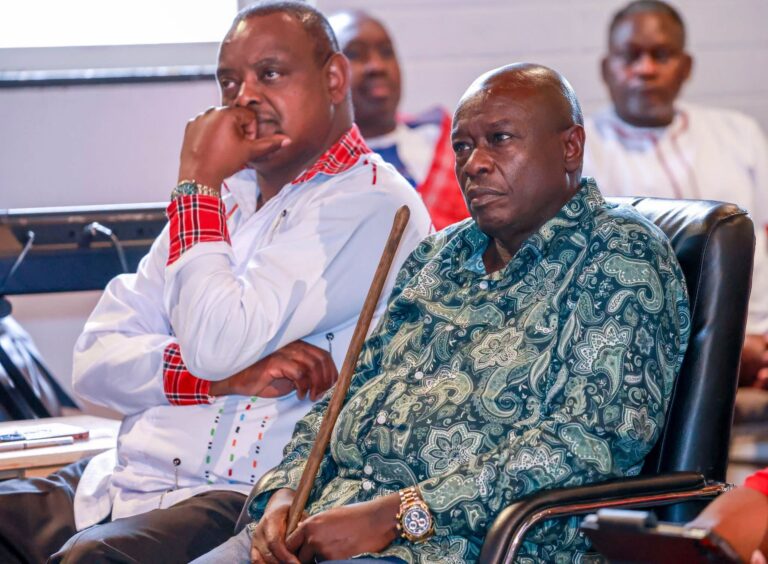
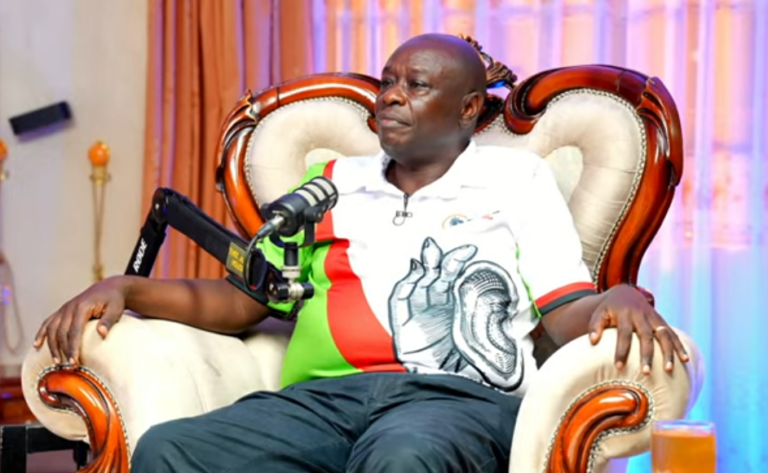
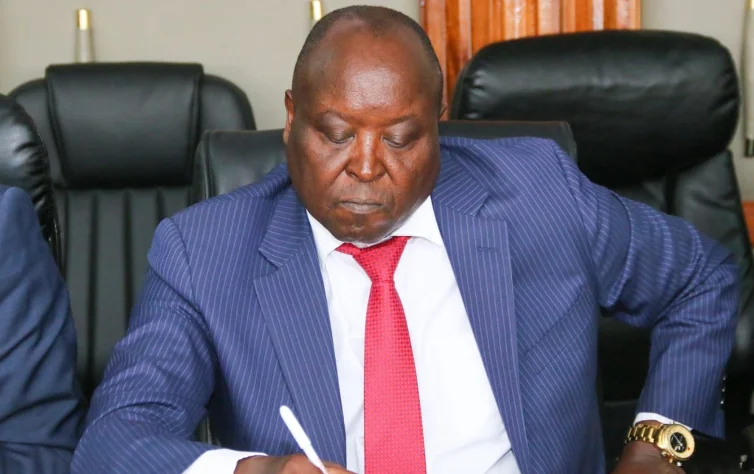
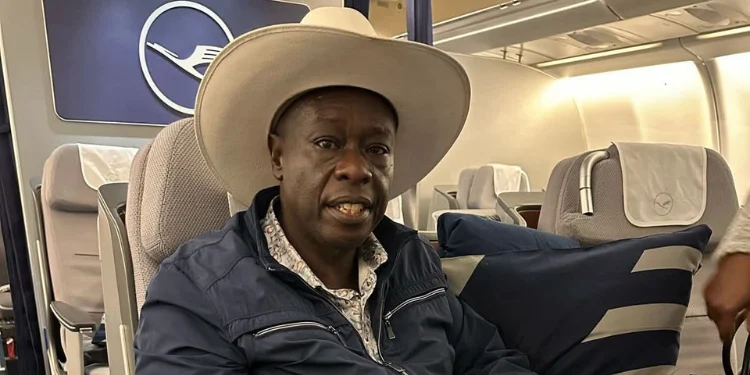
Political cracks within the United Opposition became unmistakably visible on Saturday when both Rigathi Gachagua and Kalonzo Musyoka skipped the burial of Mama Penninah Ciambogo, mother of Hon. Lenny Kivuti, in Kanyuambora, Mbeere North. Their absence raised eyebrows, coming just hours after a tense late-night meeting in Karen on Friday where senior leaders exchanged blame over the disappointing by-election results.
Sources familiar with the meeting say Gachagua arrived agitated and immediately pointed fingers at JB Muturi and Kalonzo Musyoka. Muturi had been tasked with securing Mbeere North, while Kalonzo was in charge of delivering Magarini. After UDA clinched the Mbeere North seat, Gachagua reportedly accused both of failing to mobilise adequately and questioned their commitment to the coalition’s goals.
The confrontation quickly escalated, with other leaders stepping in to cool tempers. Insiders say the session ended without resolution, leaving deep irritation among those present. By Friday morning, it had become clear that the tension had not settled—Gachagua and Kalonzo both chose to stay away from the burial, a surprising move given the political weight of the Kivuti family in the region.
Their absence did not go unnoticed. Leaders who attended the ceremony quietly remarked that funerals in Mt. Kenya and Eastern typically serve as opportunities to show unity, especially after moments of political turbulence. Skipping such a significant event, many felt, was a deliberate signal that the rift was still raw.
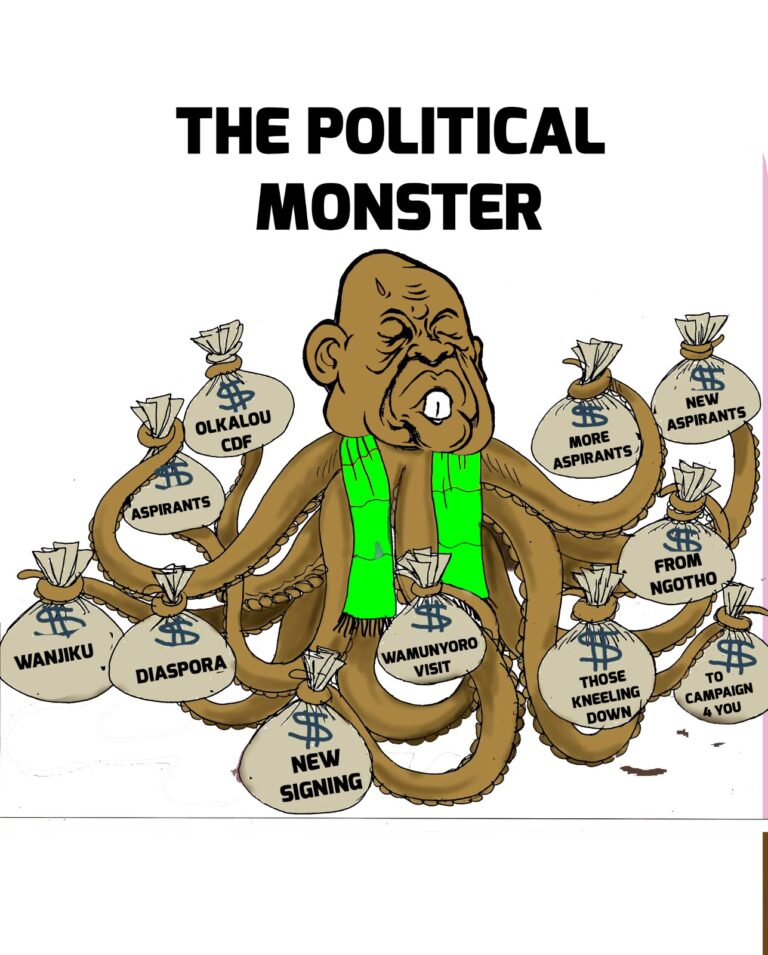
Other coalition members have increasingly voiced frustration with what they describe as Gachagua’s overbearing style and sense of ownership over the opposition space. His failure to congratulate the coalition’s MCA winners from various counties only fueled perceptions that he acknowledges victories only when they align with his own networks and influence.
The unfolding drama has cast new doubts on the coalition’s ability to maintain cohesion ahead of 2027. What should have been a routine post-election regrouping has instead exposed simmering mistrust at the very top—leaving the opposition with urgent internal repairs to make before the cracks widen further.
About the Author