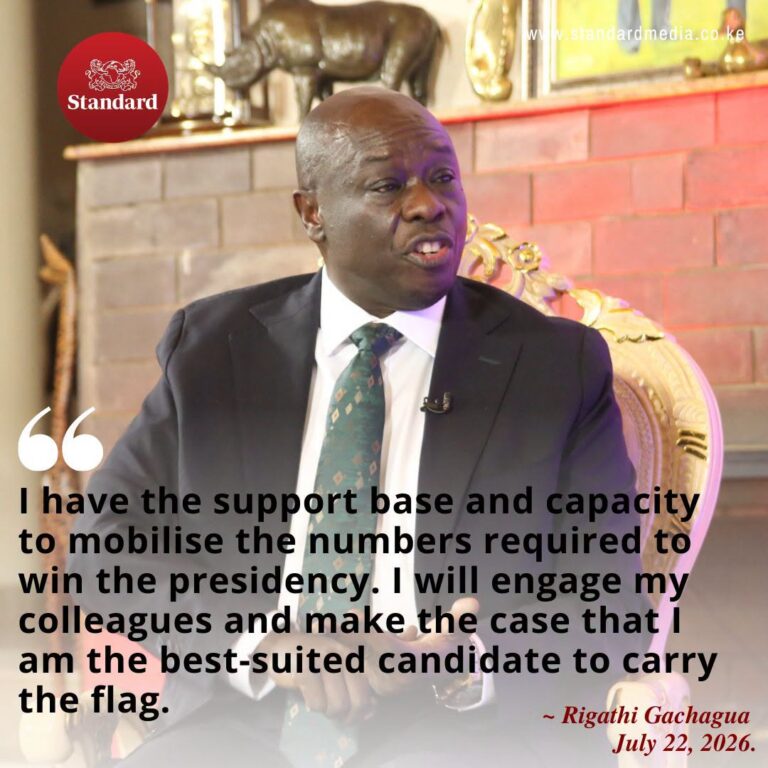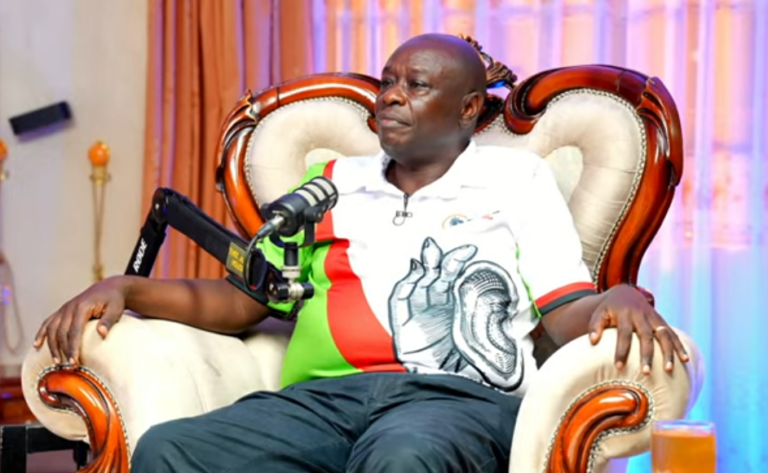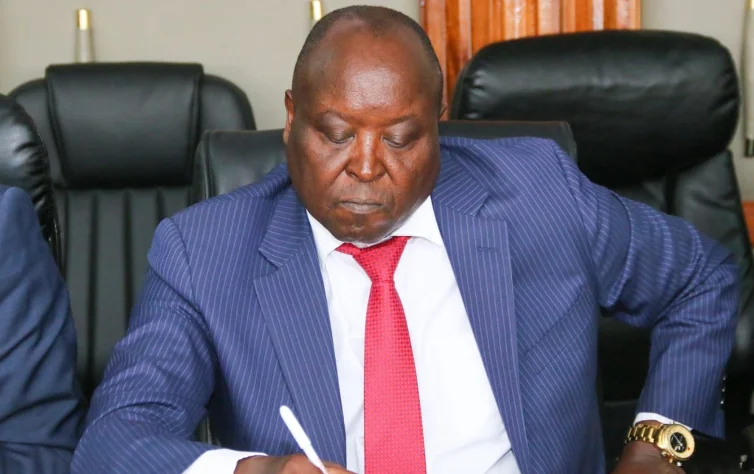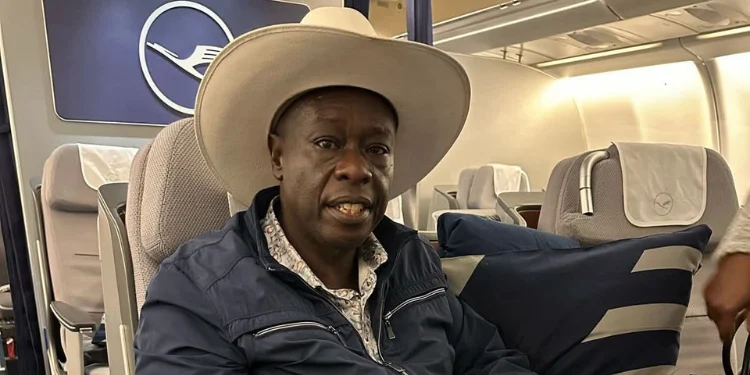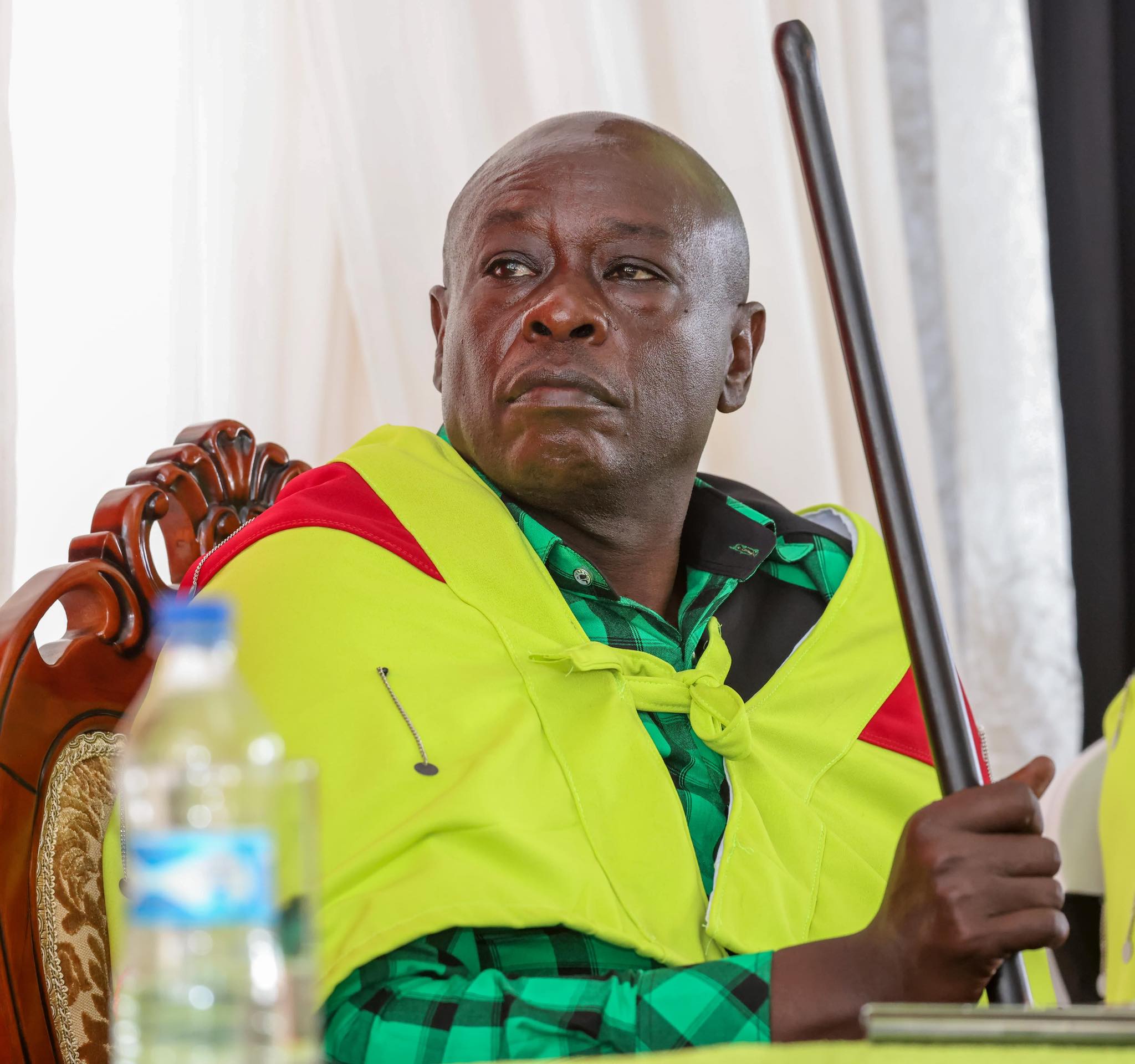
Kenya’s politics is often noisy on the surface but surprisingly predictable underneath. One of the least acknowledged truths is that political survival in this country rarely depends on who becomes president — it depends on who controls enough bargaining chips when the dust settles. That is exactly where Rigathi Gachagua seems to be placing his bets.
Publicly, Gachagua frames 2027 as a contest of leadership, loyalty, and ideology. But a closer look suggests that his real strategy is far more practical: securing a bloc of Members of Parliament large enough to give him bargaining power with whoever takes State House.
Whether William Ruto wins a second term — as many analysts predict — or whether the election produces a surprise outcome, Gachagua appears to be positioning himself so that he cannot be ignored. In Kenya, an influential parliamentary group has historically been more valuable than loud political rhetoric. MPs are the currency of negotiation, and Gachagua understands this deeply.
If Ruto wins again, he will need calm, stability, and silence from potential disruptors. A well-organised Mt. Kenya faction can offer or withdraw that silence — at a price. If another candidate wins, the logic remains the same: every president wants to neutralise political friction and secure legislative support. Gachagua knows that numbers translate directly into relevance.
That is why some observers argue that his loud fights today are less about ideology and more about increasing his value tomorrow. In Kenyan politics, money and numbers have always moved mountains, often more effectively than manifestos or alliances.
The presidency may be the trophy everyone talks about, but for Gachagua, the real power lies elsewhere — in Parliament, in negotiation tables, and in positioning himself as the man no president can afford to ignore.
About the Author