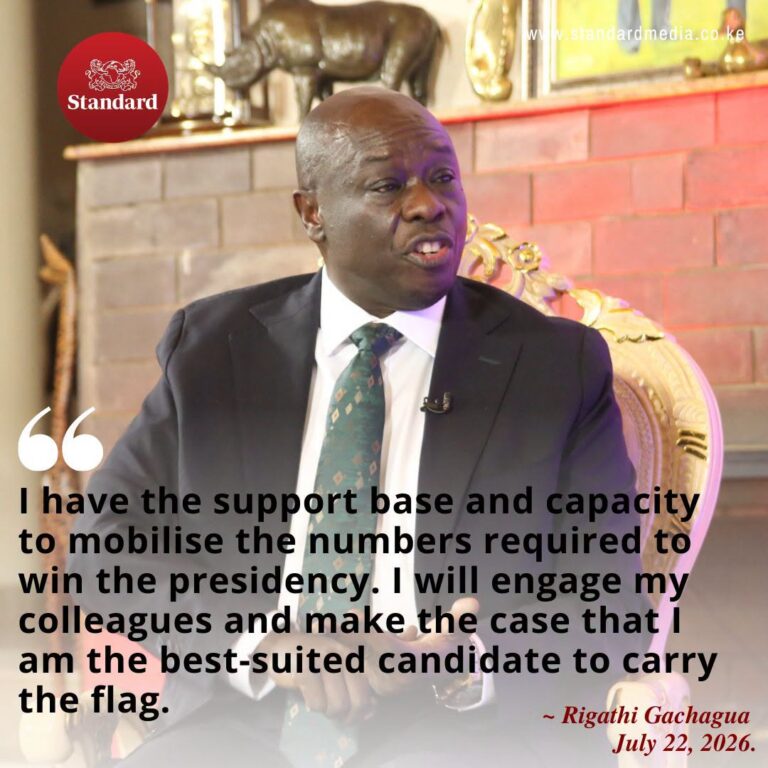
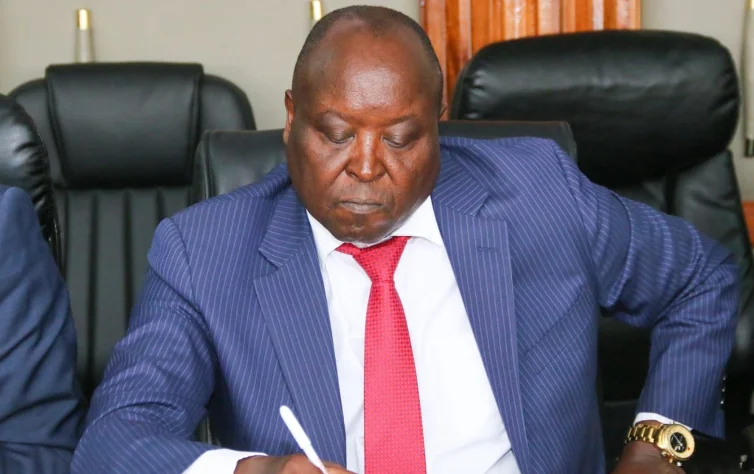
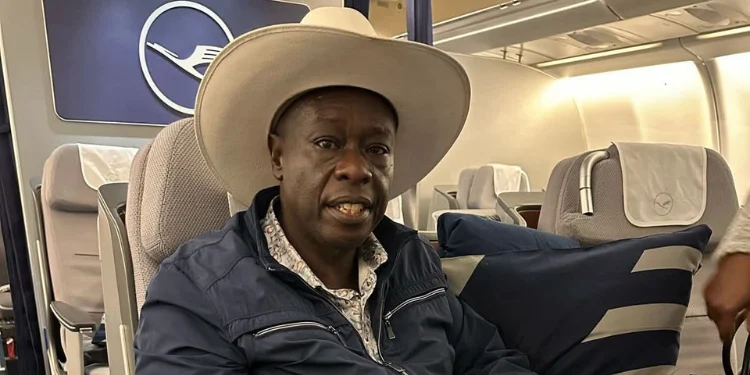
As the country approaches a sensitive by-election period, the tone of political messaging has grown increasingly alarming. Recent statements by former Deputy President Rigathi Gachagua — including accusations against the IEBC, the Inspector General of Police, and various political actors — represent a sharp escalation at a moment when stability and clarity are vital.
Gachagua has repeated claims that violence in various areas was orchestrated to frustrate his political activities. He has also suggested, without providing verifiable evidence, that police resources are being misused and that senior officers are acting under political influence. Alongside these claims, he has raised concerns about voter bribery and rigging — allegations that IEBC Chair Erastus Ethekon has publicly dismissed.
The risk here is not disagreement or criticism. Those are part of democratic contest. The danger lies in the tone and timing. When a political figure paints security agencies as hostile to the public or casts electoral bodies as inherently compromised, trust can rapidly erode in the very institutions charged with maintaining order and fairness during elections.
Kenya’s history shows how quickly tension can grow when claims of rigging or police bias spread unchecked. Such statements trigger fear, suspicion, and emotional reactions long before any facts are established. Repeating them in urgent and dramatic ways can create an atmosphere where citizens expect chaos even where none exists.
There is also a familiar pattern in Gachagua’s messaging: framing political competition in ways that risk reviving tribal or regional divides. This type of rhetoric has previously caused deep wounds, and reintroducing it risks undoing years of efforts to strengthen national cohesion.
Public debate is healthiest when grounded in evidence, calm communication, and responsible leadership. As political activity heats up, the national conversation benefits from clarity rather than alarm, and from facts rather than fear.
About the Author