As Mbeere North heads into a tightly contested by-election, the debate has increasingly centred on a familiar Kenyan political dilemma: should voters prioritise development continuity or opposition oversight?
This tension is not unique to Mbeere North — it plays out in almost every by-election where government and opposition priorities collide.
One argument often made in such situations is that electing a government-aligned MP can make it easier to push forward stalled or ongoing development projects. In Kenya’s political culture, MPs aligned to the ruling coalition may have more direct access to ministries, budgetary negotiations, and high-level decision-makers. Supporters of this view argue that with less than two years to the next general election, a government-friendly MP might expedite projects involving roads, electricity connectivity, water infrastructure, and bursary programmes.
On the other hand, electing an opposition MP typically signals a push for accountability, alternative voices, and a check on government power. Critics of this approach argue that opposition legislators sometimes face friction when seeking government intervention, which can slow down development-heavy agendas in the short term — particularly in a constituency with immediate infrastructure needs.
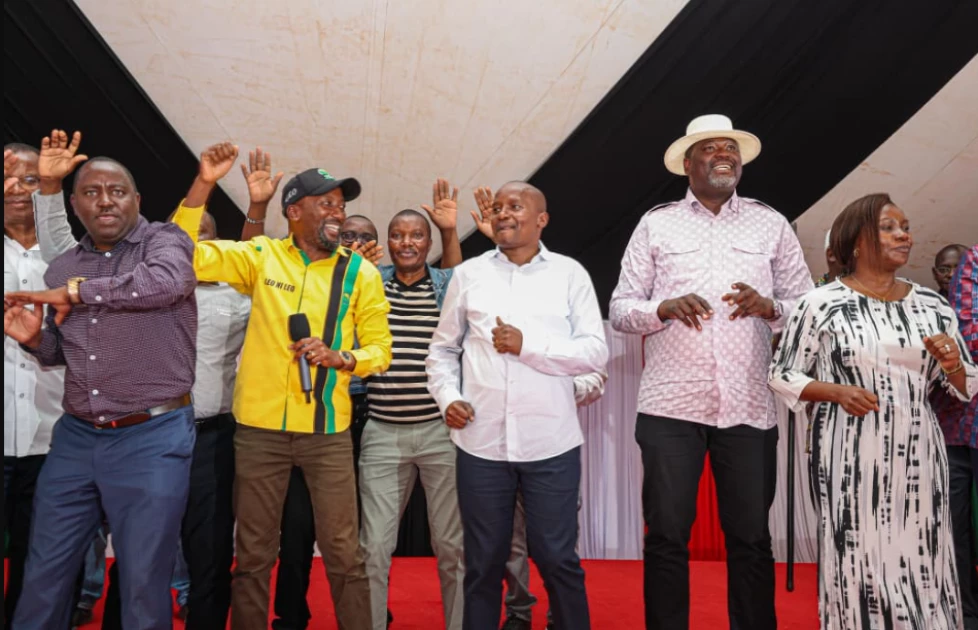
In the current Mbeere North contest, UDA’s Leonard Wamuthende has been positioned as someone capable of working smoothly with the national government to complete existing projects. Leaders campaigning for him highlight his familiarity with ongoing government interventions and his promise to maintain bursary allocations that many families rely on.
His main competitor, Karish, is seen by his backers as a candidate who would bring a confrontational, oversight-driven style to Parliament. Supporters say such representation is vital for long-term accountability, even if it introduces short-term friction with the executive.
Ultimately, the by-election reflects a broader national question: Is it better to choose a candidate aligned with the sitting government to accelerate development, or an opposition voice to challenge it?
Each path carries implications — immediate, practical ones on one side, and institutional, oversight-driven ones on the other.
About the Author