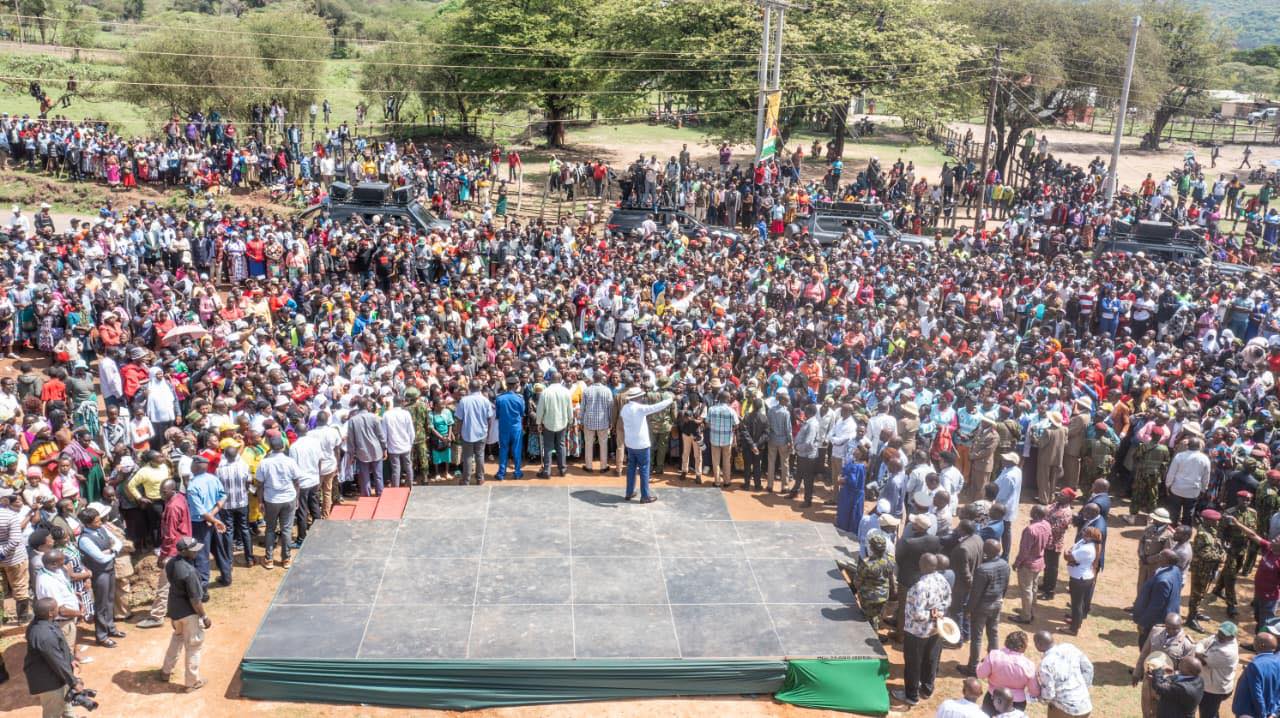
President William Ruto on Wednesday commissioned major infrastructure projects in Makueni County, signalling his focus on equitable development even in regions that once opposed him at the ballot.
In Kasikeu, the President unveiled the Kasikeu and Mikuyuni Bridges and approach roads, and later launched the Emali–Ukia Road in Kibwezi West. He also issued 2,140 title deeds to residents of Kasikeu, resolving long-standing land ownership disputes.
“Our goal is to ensure that no part of Kenya is left behind,” Ruto said. “These projects will unlock the economic potential of our rural communities and drive inclusive growth from the bottom up.”
What has drawn attention, however, is Kalonzo Musyoka’s calm. The Wiper leader, who is among Ruto’s fiercest critics, has chosen restraint over rivalry — acknowledging that despite political differences, Ukambani deserves its fair share of progress. He knows you don’t build roads by shouting at State House, a stance allies describe as both strategic and statesmanlike.
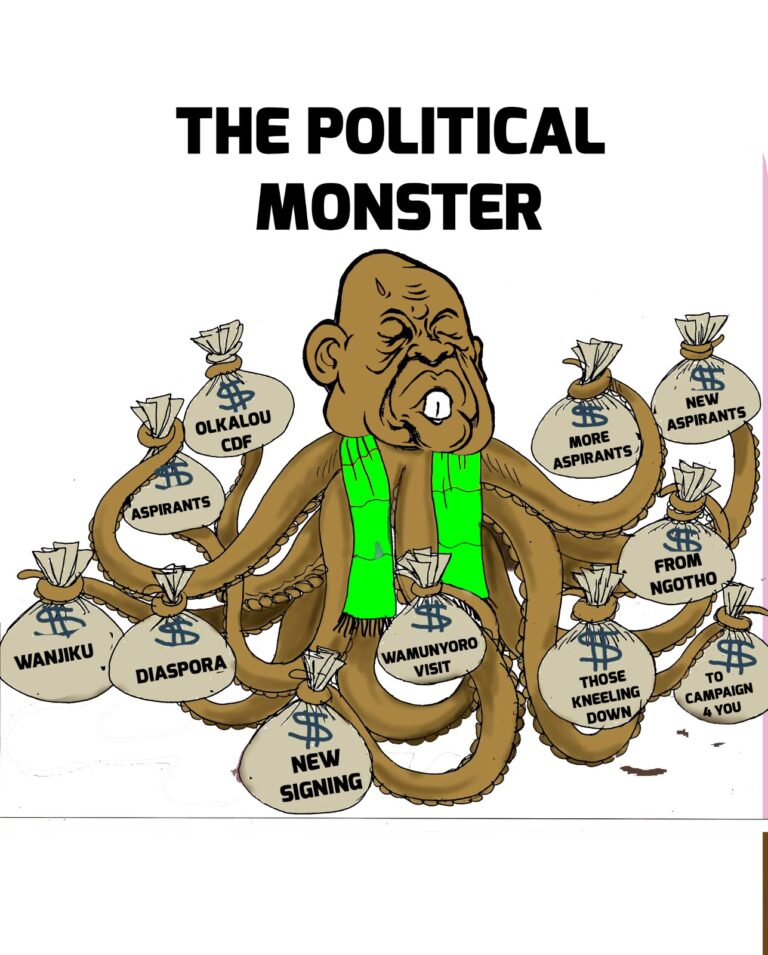
That composure stands in sharp contrast to impeached ex-Deputy President Rigathi Gachagua’s combative style. In March, Gachagua rolled out a “clap-for-cash” playbook aimed at undermining Ruto’s outreach to Mt Kenya. Speaking in Naivasha on March 29, he urged residents to charge for attending presidential events: “If you are going to listen to lies, ask for a hefty price… Sh3,000 for clapping, Sh10,000 for ululating, Sh5,000 for laughing.”
He went further — warning crowds not to take “cursed” money home. “Eat that money at the market,” he said, branding pro-Ruto MPs “traitors.” The rhetoric, laced with mockery and malice, bred skepticism that delayed projects and deepened Mt Kenya’s economic isolation.
Unbothered, Ruto presses on with his nationwide tours.
As Ruto heads to Kitui, his calm outreach — and Kalonzo’s quiet cooperation — underline a new truth in Kenyan politics: progress thrives where noise fades.
About the Author