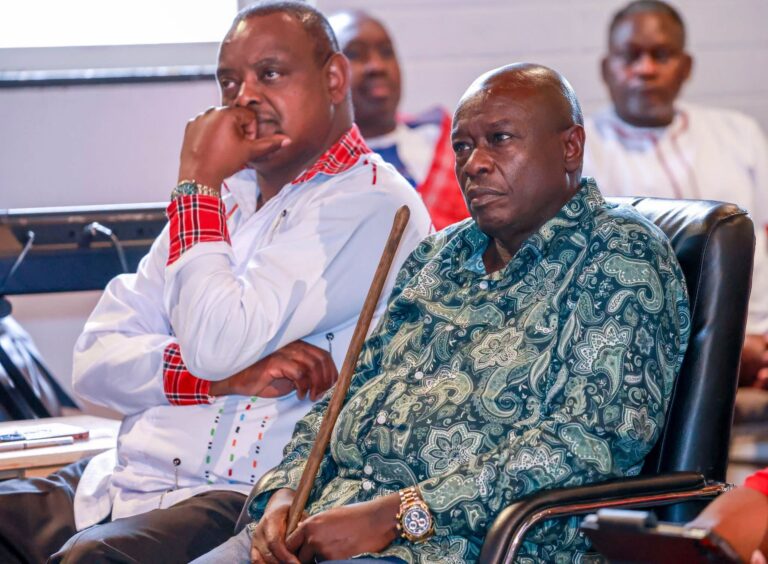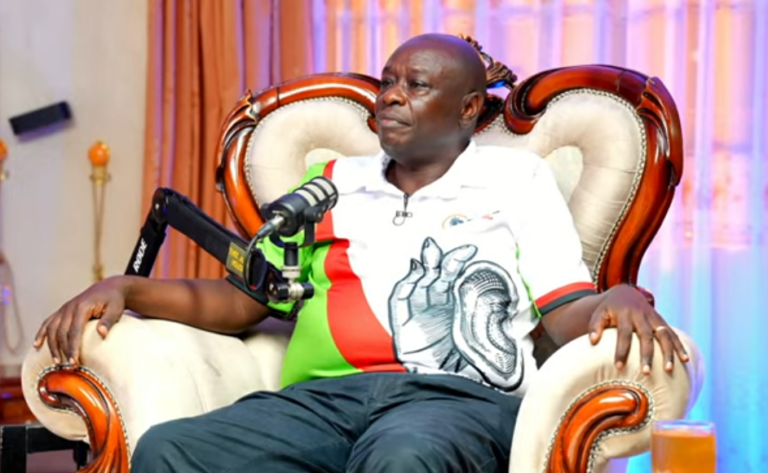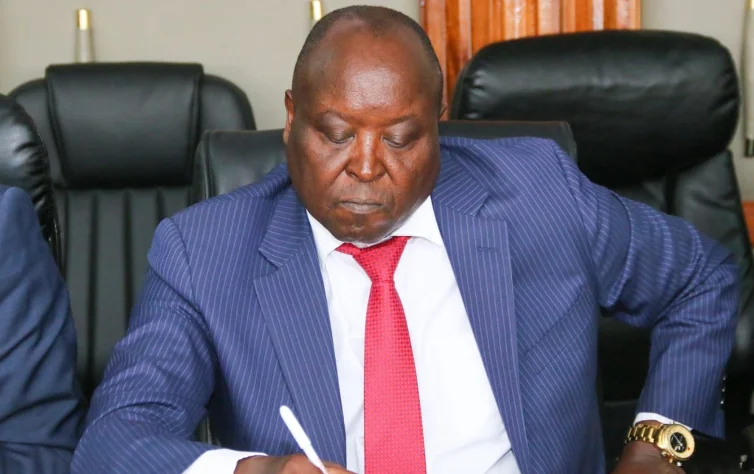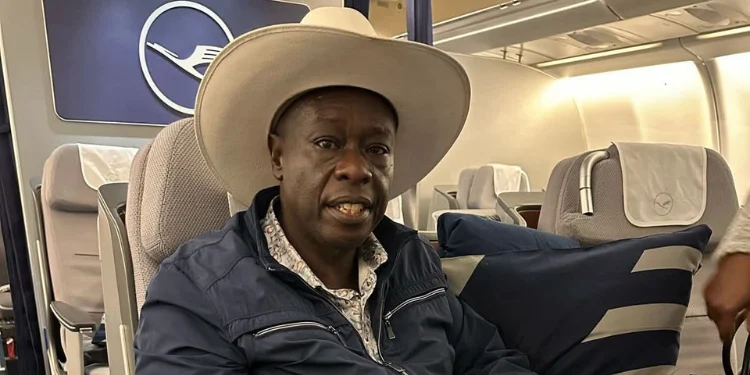
Kenyans are finally saying out loud what many have long observed — that Rigathi Gachagua’s brand of politics is abrasive, crude, and divisive. His arrogance, mouthiness, and obsession with tribal dominance have alienated even those who once stood close to him. Unlike former President Uhuru Kenyatta, whose calm demeanor and diplomatic tone often brought balance to political tension, Gachagua thrives on confrontation and intimidation.
It is hard to imagine how any sober-minded politician could comfortably align their politics with Gachagua’s. He does not build coalitions; he bulldozes them. His approach to leadership is not about persuasion or policy, but about power and proximity. He talks more about tribes than about issues, more about loyalty than about values, and more about his own victimhood than about national unity.
This is why even the idea of a coalition between Gachagua and leaders like Kalonzo Musyoka sounds far-fetched. Kalonzo, though sometimes cautious, has built his politics on consensus and diplomacy — traits that clash completely with Gachagua’s confrontational style. The two are political opposites: one seeks harmony, the other thrives in chaos.
Gachagua’s politics is emotionally charged and often laced with bitterness. He interprets criticism as betrayal and diversity of opinion as disloyalty. In a coalition, such traits are toxic — they destroy trust, poison relationships, and make collaboration impossible.
Ultimately, politics is about building bridges, not burning them. It’s about winning trust beyond your ethnic borders and creating hope, not fear. Gachagua’s brand does the exact opposite. That’s why sober politicians — those with national ambition and a sense of legacy — will always find it nearly impossible to align themselves with him. His politics might mobilize crowds, but it cannot unite a country.
About the Author