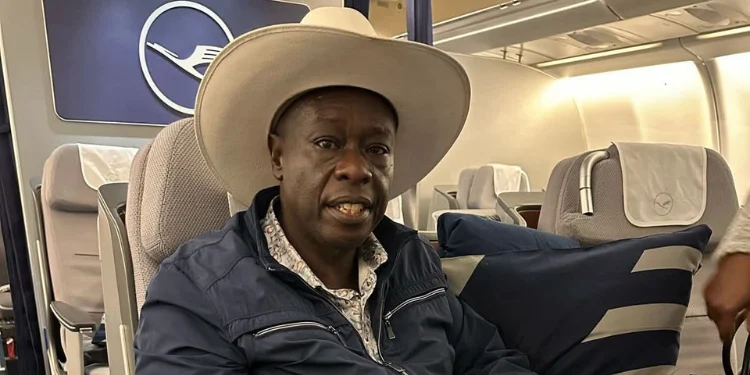
The impeachment of Rigathi Gachagua as Deputy President gave Kenya’s coffee industry players a new opportunity to revisit problems facing the sector after Rigathi Gachagua’s initial reforms failed to deliver the expected results both for government and farmers.
Gachagua while in office, was tasked by President Ruto through an Executive Order in January 2023 to help reform the sector by drafting friendly government policies and ensuring there was a steady market for Kenyan coffee, here at home and abroad. Responsibilities the ousted DP spectacularly failed.
Kenyan coffee has always been highly valued by roasters and importers, and international prices serve as a benchmark for the local price on the Nairobi Coffee Exchange.
During his tenure, millers were hit with delays in the issuance of marketing and milling permits, destroying lives and livelihoods of traders who were left without stocks for processing and sale. All private coffee mills in Kenya closed their operations during the 2024 season as a result of multiple failures of government-backed coffee sector reforms. NKG Coffee Mills Kenya, part of Germany’s Neumann Kaffee Gruppe, announced in 2024 they were laying off staff as a result.
Despite not showing results, Rigathi Gachagua continued drawing funds from the Treasury for his work, a move that raised eyebrows, being he had no tangible results to show. And coffee farmers countrywide? They kept lamenting over the Ruto administration’s failure to streamline the sector. Unknown to them, it was Gachagua, Ruto’s Deputy, behind their breaking backs.
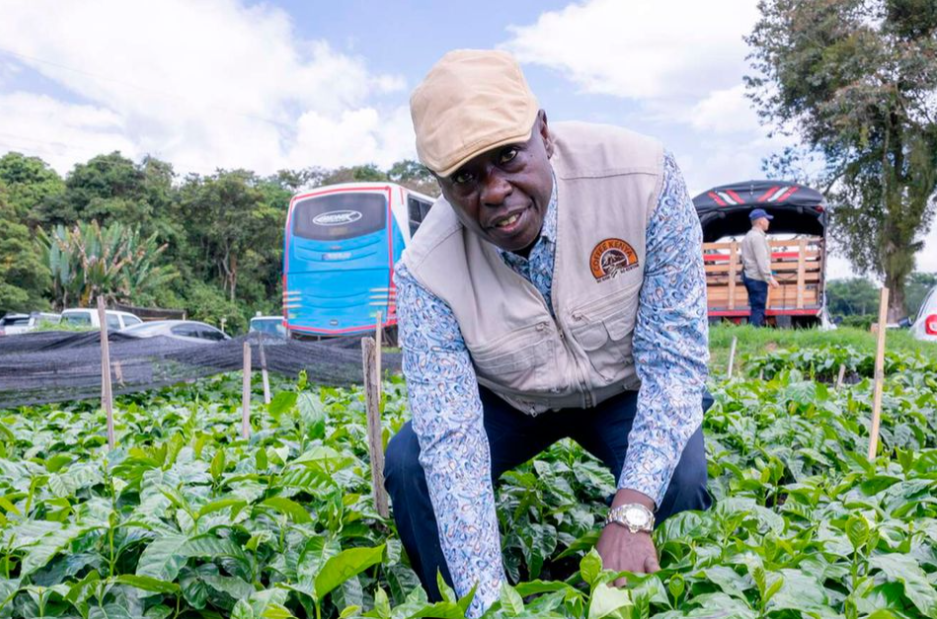
While attending a meeting with the Colombian Coffee Growers Federation in Chinchina, Colombia in September 2023, Gachagua, as Deputy President said that Kenya is on its way to reclaiming its glory in the coffee trade through overseeing reforms in the sector.
However, a year later, he was impeached in October 2024 for gross misconduct while in office, with the Coffee Industry being a part of his trail of destruction as an ineffective public servant.
About the Author