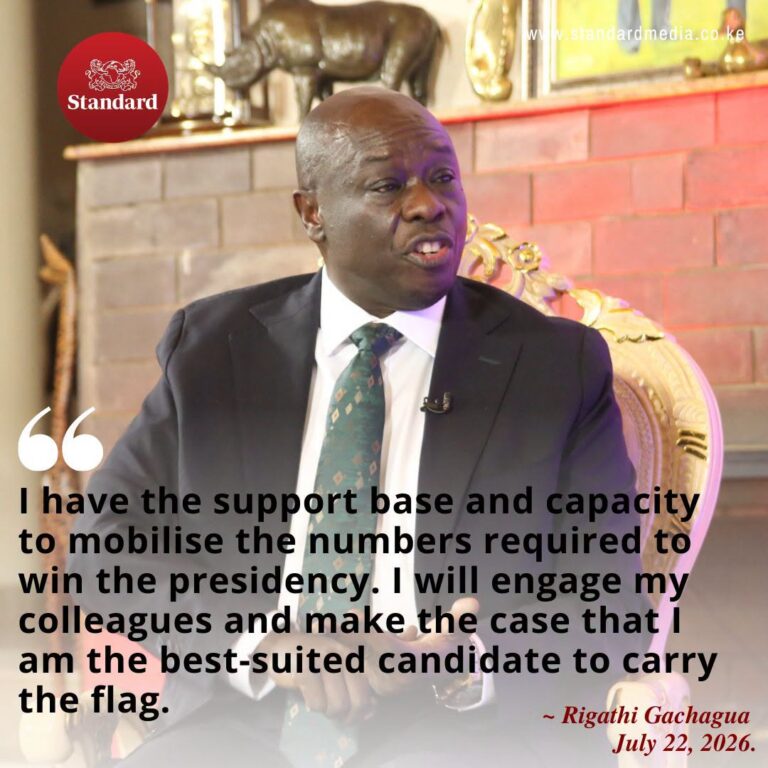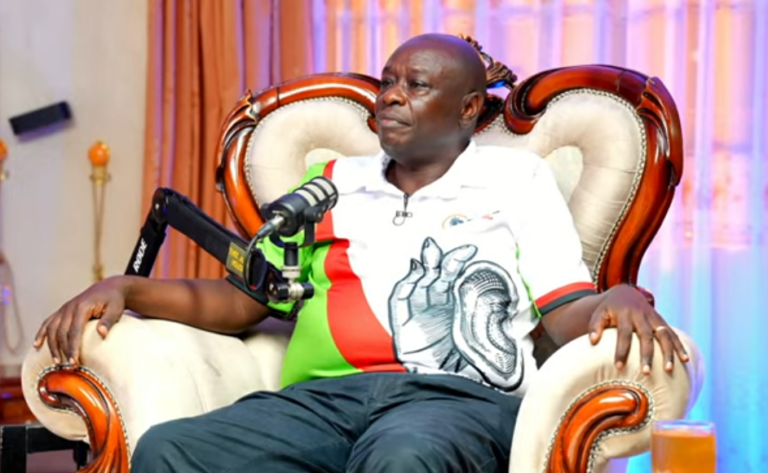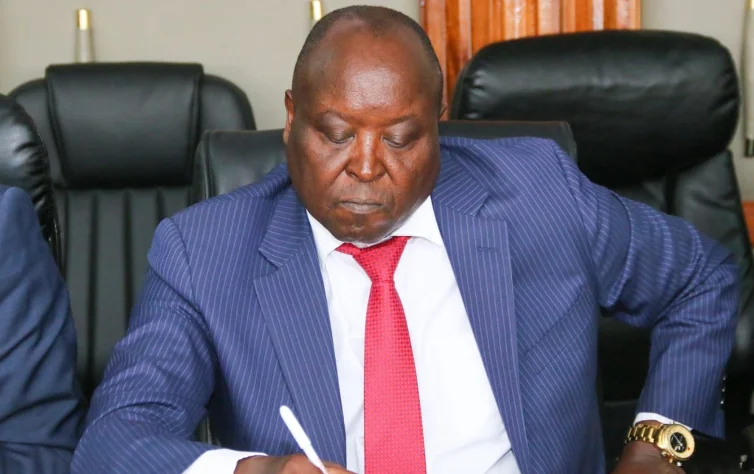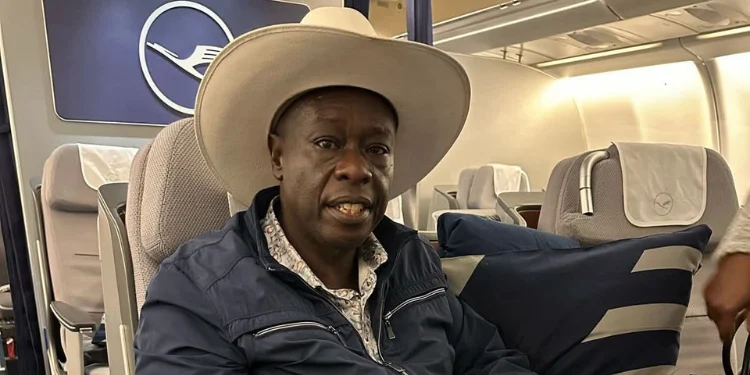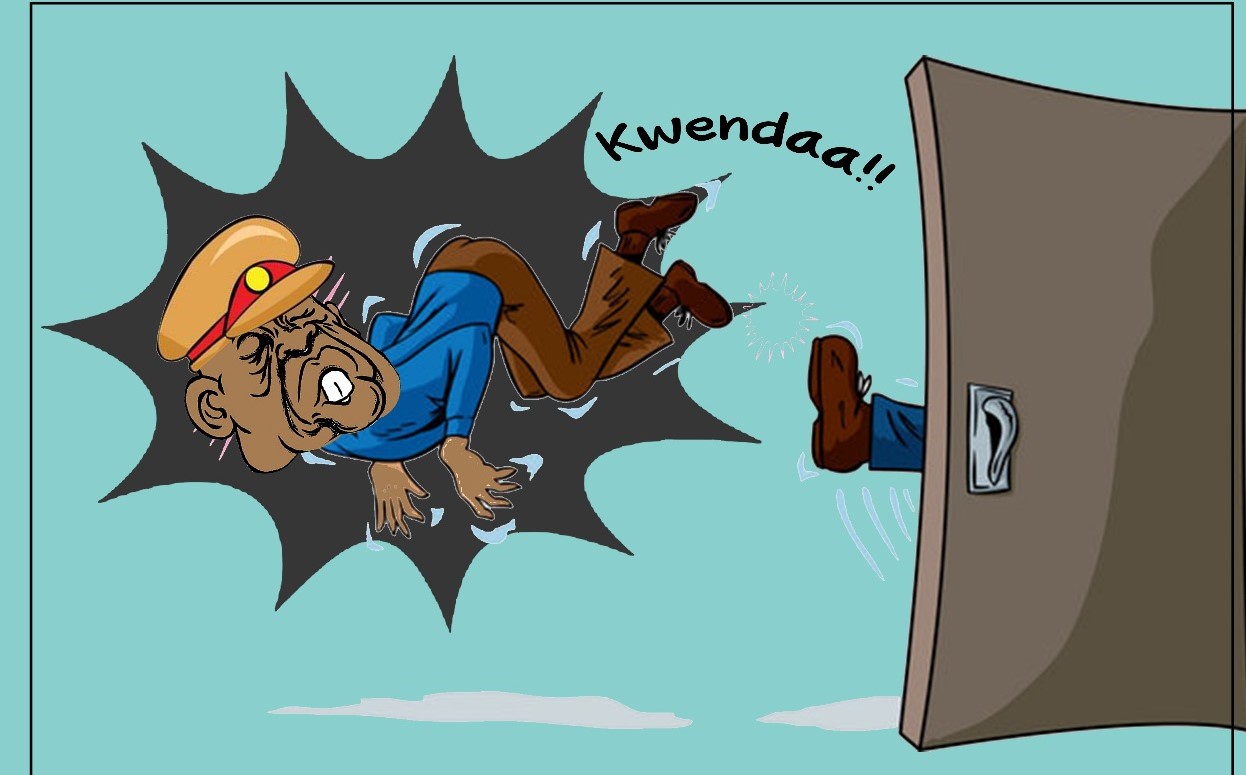
Rigathi Gachagua’s downfall is not an accident of politics; it is the natural consequence of a leadership style that belongs to a bygone era. In a country that has moved forward—embracing devolution, diversity, and inclusive politics—Gachagua remains stuck in a time when intimidation, tribal rhetoric, and raw patronage were the currency of power.
From the very start of his tenure, Gachagua defined himself not by ideas, but by division. He turned national leadership into a tribal pulpit, constantly reminding Kenyans who “belonged” and who did not. Instead of uniting, he split communities. Instead of offering solutions, he peddled threats. That may have worked in the dark corners of the past, but it is an insult to modern Kenya, where voters demand service, integrity, and vision.
His politics is backward because it refuses to recognize that Kenya is bigger than one region. Every time Gachagua pushed the “shareholding” narrative, he violated the spirit of equality enshrined in the Constitution. Leadership is about lifting all citizens, not rewarding a chosen few while others are cast aside. That brand of divisive politics is precisely why Parliament impeached him and why leaders today are keeping their distance.
Even within the so-called United Opposition, Gachagua has become a liability. His obsession with personal gain, endless wrangles, and a victimhood narrative have drained credibility from any cause he touches. Allies see him not as an asset, but as a ticking time bomb guaranteed to implode coalitions.
Kenya deserves leaders who can inspire unity, craft policies, and prepare the country for the future. Gachagua offers none of that. His isolation is proof that backward politics has no place in modern leadership. He is being shunned because his style is toxic, divisive, and outdated—and Kenya has moved on.
About the Author