In a humiliating display of pettiness and manipulation, impeached former Deputy President Rigathi Gachagua’s frantic bid to sabotage President William Ruto’s grassroots charm offensive in Murang’a collapsed spectacularly today.
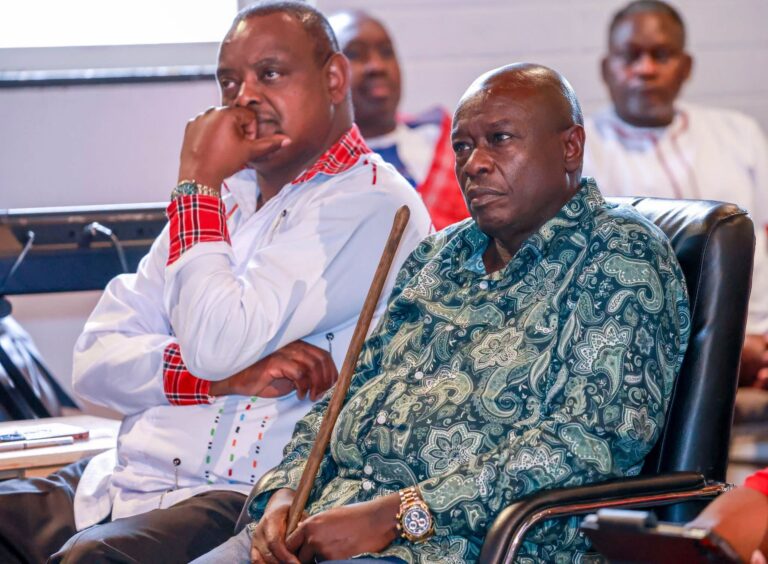
While Ruto drew a massive crowd of over 6,000 nyumba kumi elders, chiefs, MCAs, and youth leaders to State House for pledges of irrigation schemes, business funding, and unity, Gachagua hunkered down in his Wamunyoro homestead, desperately with a pitiful handful of MCAs to stage a rival show — only to be snubbed by his own supposed allies.
The math tells the story: of the 51 Murang’a MCAs, only 13 showed up at Wamunyoro. The remaining 38, along with the county speaker and thousands of delegates, chose Ruto’s table. It was a devastating rejection for a man who once boasted of being Mt Kenya’s sole kingmaker.
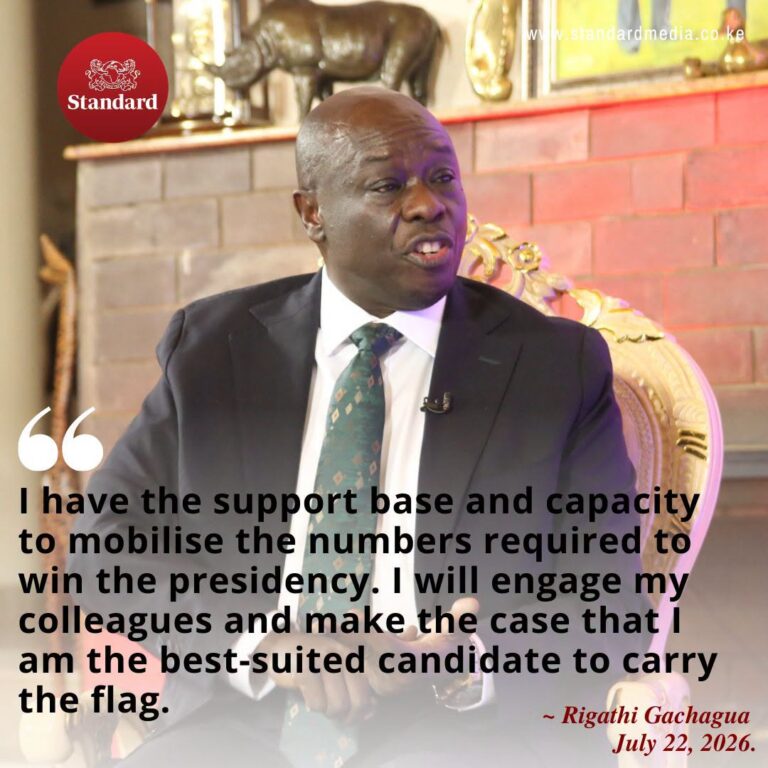
Adding to the irony, Gachagua was hoisted by his own contradictions. He once publicly urged Mt Kenya leaders to “go and eat Ruto’s money” if invited. Yet now, furious at seeing the same leaders heed that advice, he lashed out at them for meeting the president.
Social media amplified the humiliation. Memes of “watam” vs “tutam” tore through timelines, with thousands from Murang’a openly declaring tutam — we will support Ruto — while only a pitiful few muttered watam. “Who is stupid here?” one viral post asked, mocking Gachagua’s dwindling clout.
The contrast could not be starker. At State House, Ruto’s message was inclusive, practical, and forward-looking: expanding the Hustler Fund, investing in local irrigation, and reaffirming that “Mt Kenya’s prosperity is Kenya’s prosperity.” At Wamunyoro, the message was hollow — tribal rants, accusations of betrayal, and promises of cash handouts tied to his floundering DCP party.
There is absolutely nothing wrong with leaders visiting State House. Ruto is the sitting Head of State, whether loved or loathed, and shouting from the rooftops will not change that fact. Elected leaders have a duty to work with him for the good of wananchi. Elections will come — and it is the people, not bitter men from Wamunyoro, who will decide.
For Gachagua, the writing is now on the wall. Once feared as an enforcer, he is reduced to a punchline, his goose cooked in the very village that still struggles with water despite his years in power. If he continues down this path of contradictions and tribal bitterness, his political obituary will not be long in coming.
About the Author