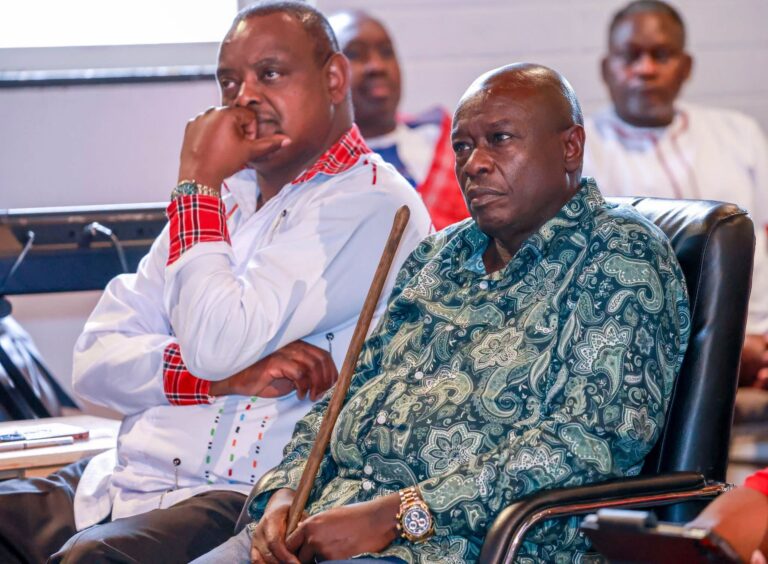
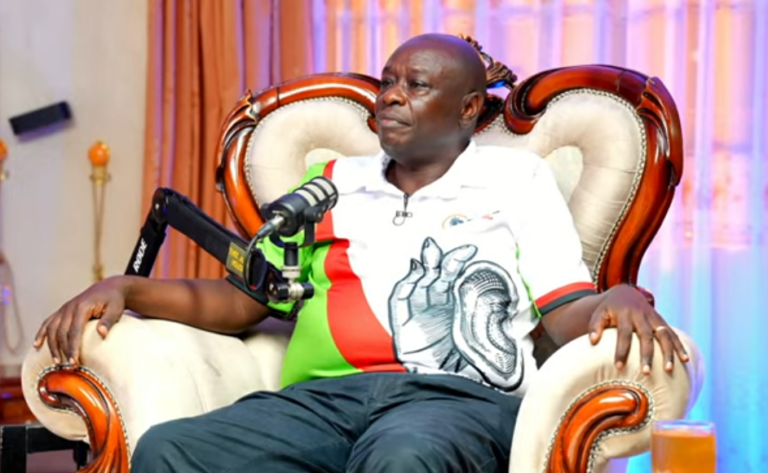
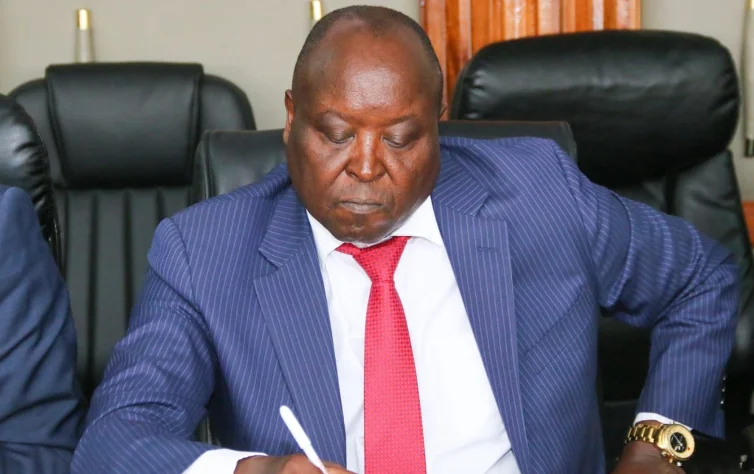
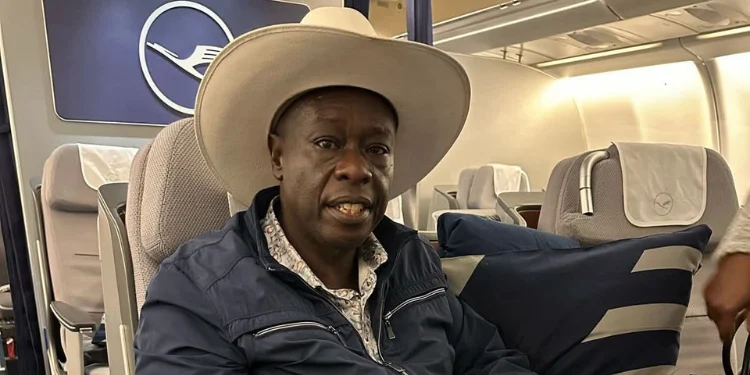
Rigathi Gachagua’s fall from the Deputy President’s office was not sudden—it was inevitable. His impeachment was the clearest proof yet that tribal politics, once seen as a clever survival tool, is now a liability in a Kenya that is demanding better.
From the moment he stepped into national leadership, Gachagua reduced the weight of his office to the size of his ethnic backyard. Instead of building bridges, he erected walls. Instead of uniting Kenyans around ideas, he corralled them into ethnic corners. Every rally, every speech, every political move was anchored on “our people” and “our share,” language that not only excluded but actively divided.
Kenya is no stranger to the dangers of tribal politics. We have seen lives lost, opportunities wasted, and progress delayed because leaders weaponized ethnicity. Gachagua chose to revive those wounds at the very moment Kenyans were yearning for healing and nationhood. His impeachment was therefore not just about his personal failures; it was a statement that this country is bigger than one man’s tribal project.
The lesson is clear: Kenya has outgrown the era of tribal chiefs. Our youth want jobs, not ethnic slogans. Our farmers want markets, not tribal protection. Our nation wants unity, not division. Leaders who cling to ethnic mobilisation will be rejected, whether by Parliament, by the courts, or by the people themselves.
Gachagua’s fate should serve as a warning to the next generation of politicians: leadership is no longer about whipping up tribal loyalty—it is about delivering national progress. Kenya is moving forward, and those who insist on dragging us back to the dark politics of tribe will be left behind, just like Gachagua.
About the Author