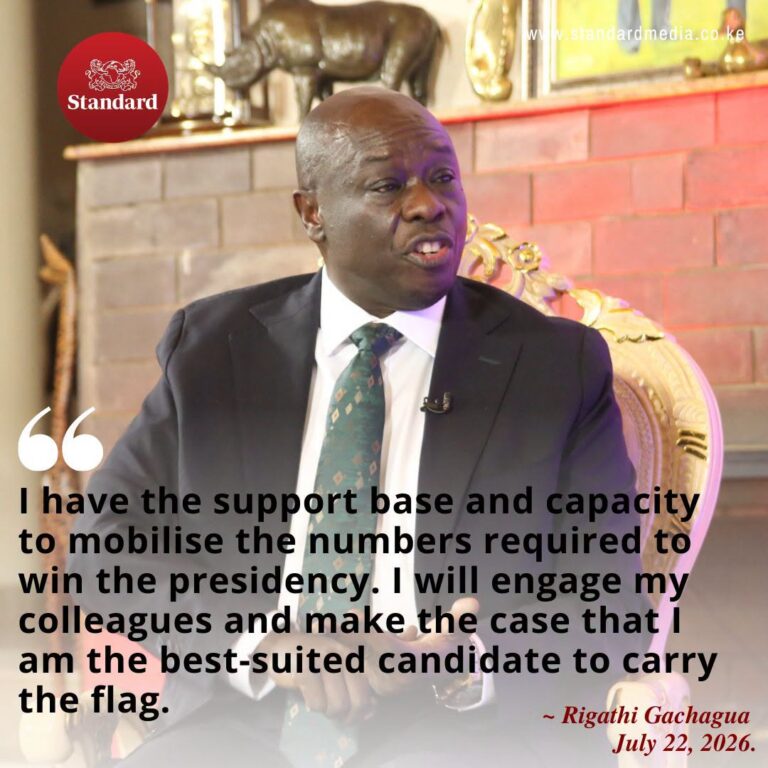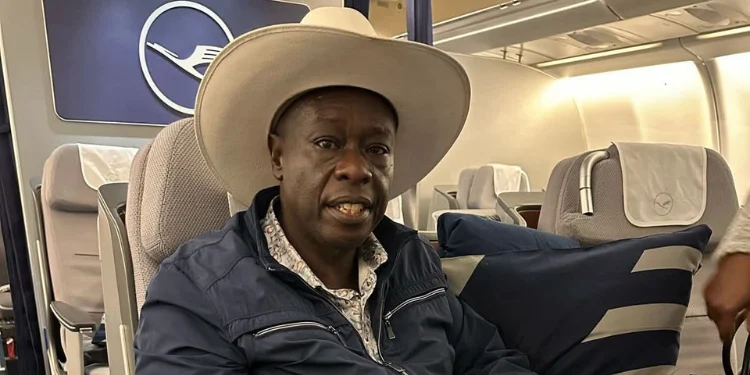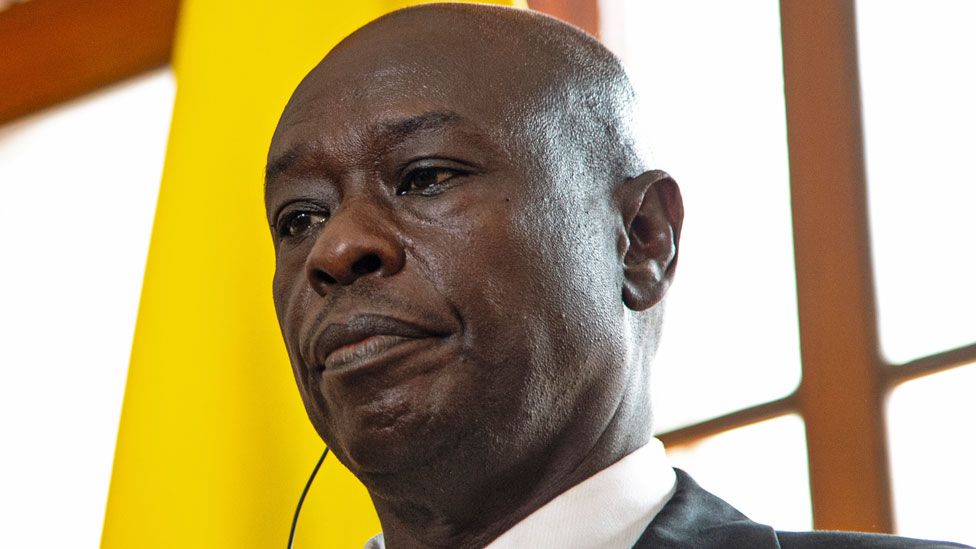
When we look back at October 17, 2024, the day the Senate voted to impeach Deputy President Rigathi Gachagua, it now feels clear that the decision was the right one. For the first time under the 2010 Constitution, a deputy president was removed from office—not through politics of succession, but through a process of accountability.
The charges against Gachagua were many, but it was corruption that sealed his fate. Senators upheld five out of 11 accusations, and they only needed one to send him home.
At the heart of it all were troubling questions about how he acquired vast properties and funds. His explanation—that the wealth belonged to his late brother—simply did not hold water. The evidence painted a man who treated public office as a shortcut to private riches.
There was also the misuse of public resources. Government vehicles, staff, and even funds were allegedly diverted to serve his political agenda rather than the Kenyan people. That alone showed a disregard for the trust and responsibility of his position. Add to that the conflicts of interest in contracts tied to his associates, and the picture became even darker: the office of the deputy president was being run like a personal business empire.
At the time, Gachagua and his allies called it a political lynching. But in hindsight, the process reflected something deeper—Parliament and the Senate drawing a line. Leaders cannot abuse office, enrich themselves, and divide the nation without consequence.
His impeachment was not just about bringing down a man; it was about protecting the dignity of public service. Looking back, one can only agree that Kenya was better served by making that hard, historic decision.
About the Author