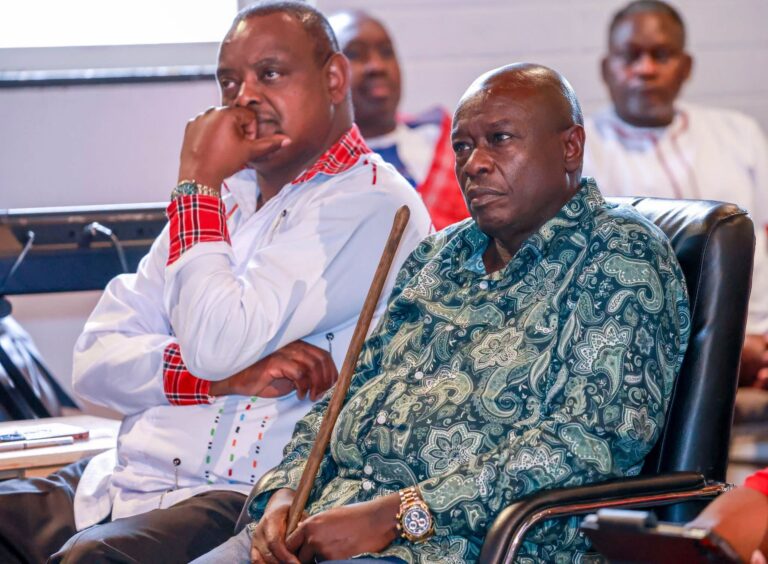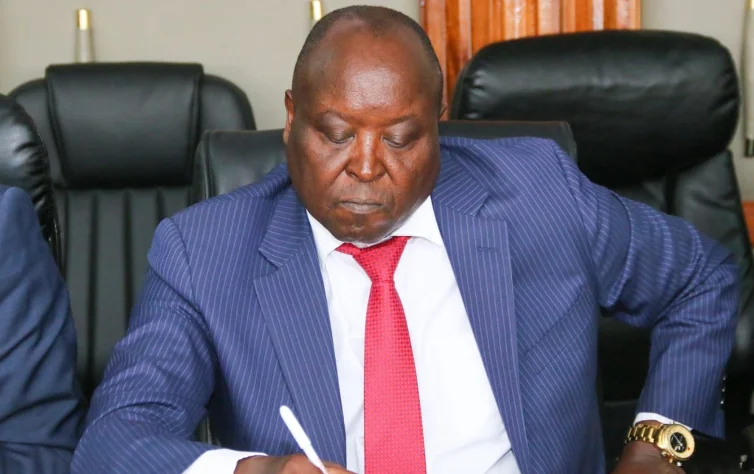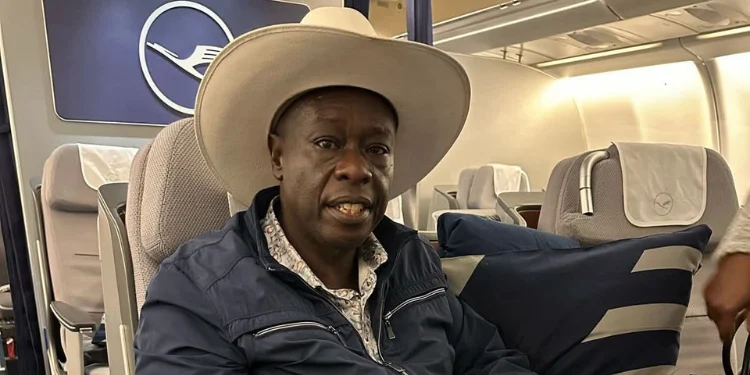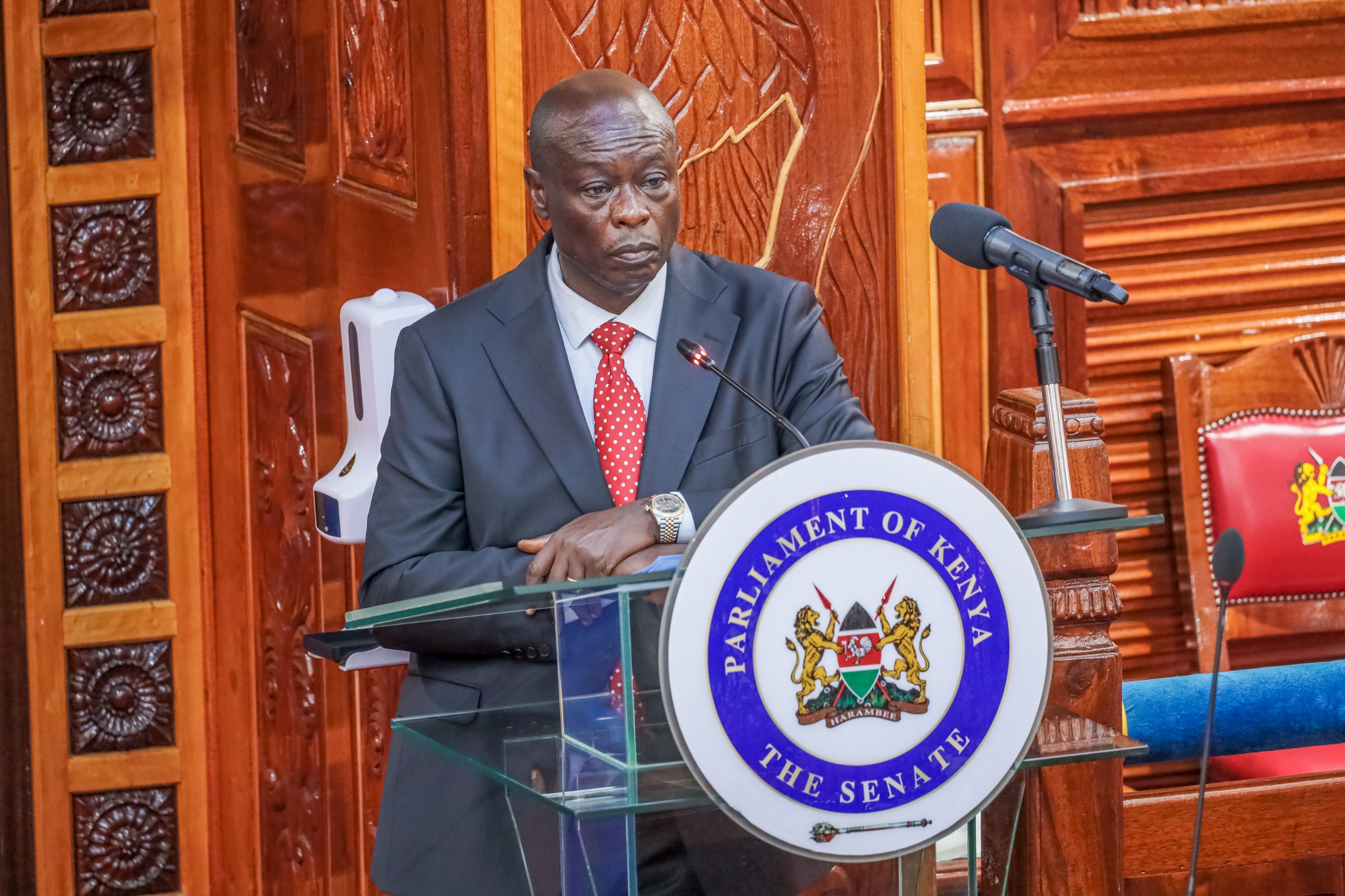
When history looks back at October 2024, it will remember it as the day Parliament made a bold decision: impeaching Deputy President Rigathi Gachagua. The vote was overwhelming—281 in favor, only 44 against—showing that lawmakers across the divide agreed his conduct could no longer be ignored.
At the heart of the impeachment were accusations of corruption, abuse of office, and divisive politics. Gachagua defended himself passionately, but MPs were not convinced. They listed 11 charges that, in their view, made him unfit to hold the second-highest office in the land.
First, he was accused of abuse of office, using his position to reward allies and pressure officials for political ends. He also faced allegations of corruptly acquiring properties, which he claimed belonged to his late brother, but MPs dismissed his explanation.
Another serious charge was ethnic politics—promoting tribal divisions and focusing narrowly on Mt. Kenya interests, at the expense of national unity. He was also accused of undermining President William Ruto by frustrating government programs and giving conflicting directives.
Gachagua’s relationship with lawmakers worsened when he allegedly disrespected Parliament, insulting MPs, Senators, and even the Speakers of both Houses. On top of that, he was charged with sabotaging government projects by instructing local officials not to cooperate with certain ministries.
Some MPs claimed he went as far as mobilizing anti-government protests to weaken the administration. He was also accused of misusing public resources, diverting state funds, vehicles, and staff for political gain, and of intimidating public officers who resisted his pressure.
Two final charges spoke to integrity: conflict of interest in deals where he stood to benefit personally, and poor leadership conduct marked by arrogance, divisive rhetoric, and inability to work with colleagues.
Looking back, the impeachment seems justified. It was not only about one man, but about drawing a line: even the Deputy President is not immune to accountability. Whether the courts upholds or overturns the decision, history has already spoken—Gachagua fell not just to allegations, but to his own arrogance.
About the Author