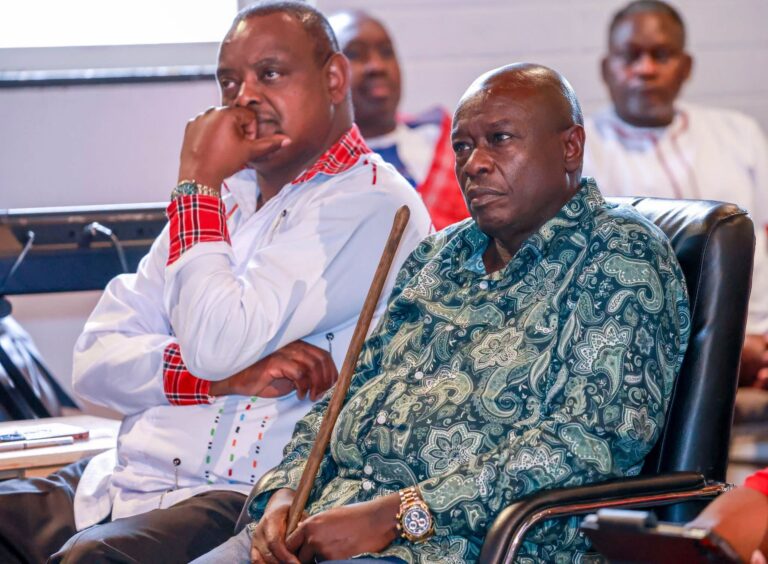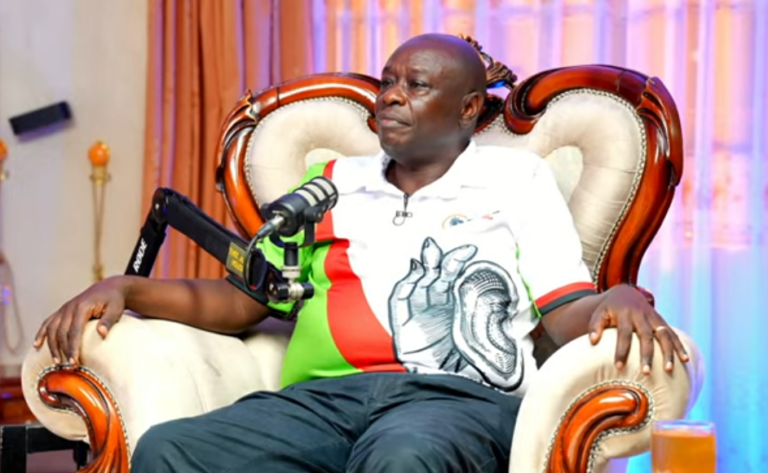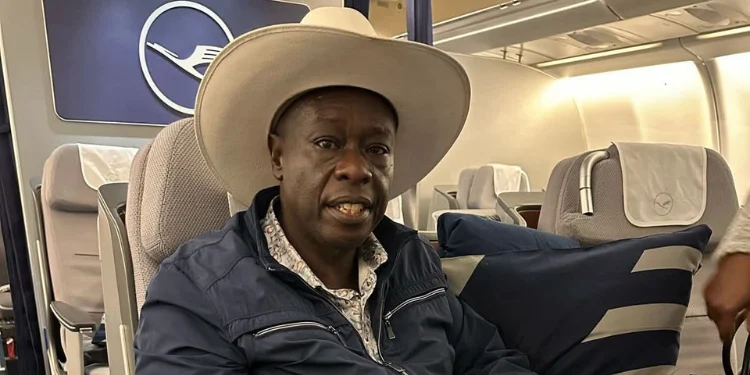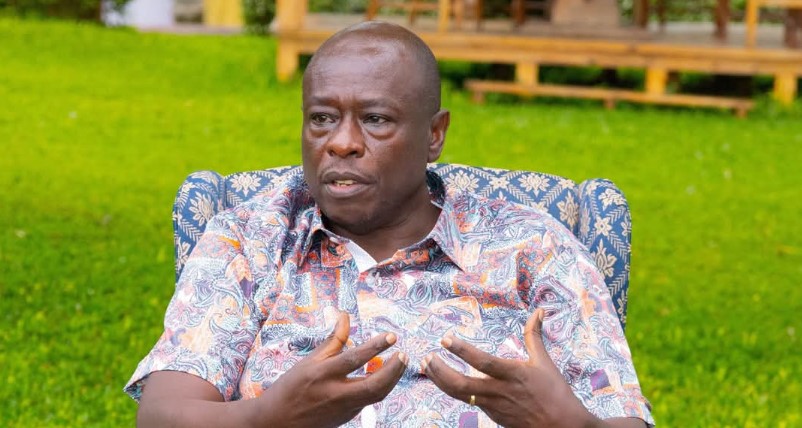
Rigathi Gachagua’s political story is a classic case of how character destroys opportunity. When the Senate impeached him, it was not his enemies leading the charge, but his own friends and allies—the very leaders he once counted on. That betrayal did not come out of nowhere. It was the natural outcome of his abrasive style, his inflated ego, and his intoxication with power.
Gachagua has always treated politics as a battlefield where only his word counts. He dismissed alternative opinions, undermined colleagues, and thrived in creating divisions. At first, this energy made him look like a fearless defender of the mountain, but over time, even those closest to him realized that working with him was like carrying a live grenade—you were bound to get hurt.
The impeachment was therefore less about political differences and more about survival. Leaders who once stood with him simply grew tired of his arrogance, his inability to compromise, and his habit of turning allies into subordinates. They realized that the cost of keeping him close was far greater than the cost of cutting him loose.
The tragedy is that Gachagua has not changed. Even now, as he tries to rebuild a political future, the same traits are on full display. He still talks down to colleagues, still views politics through a lens of suspicion, and still treats partnership as submission. The irony is that those defending him today will, sooner rather than later, find themselves plotting his downfall.
Because the truth is simple: Gachagua’s biggest enemy is not his rivals, not the system, not the deep state. It is his own character. And unless he confronts that reality, history will keep repeating itself—friends will become enemies, and allies will once again become his executioners.
About the Author