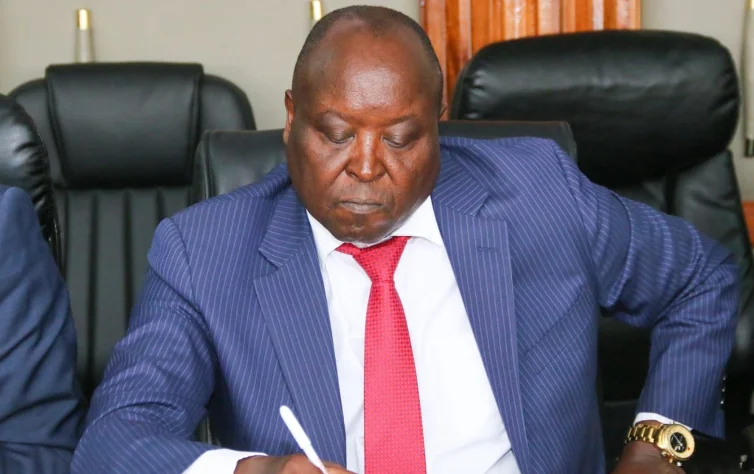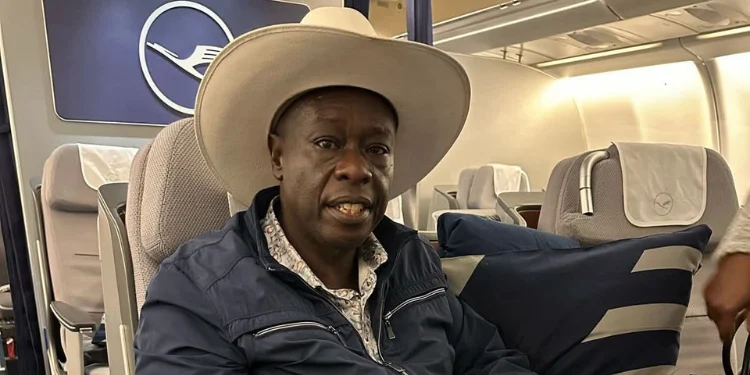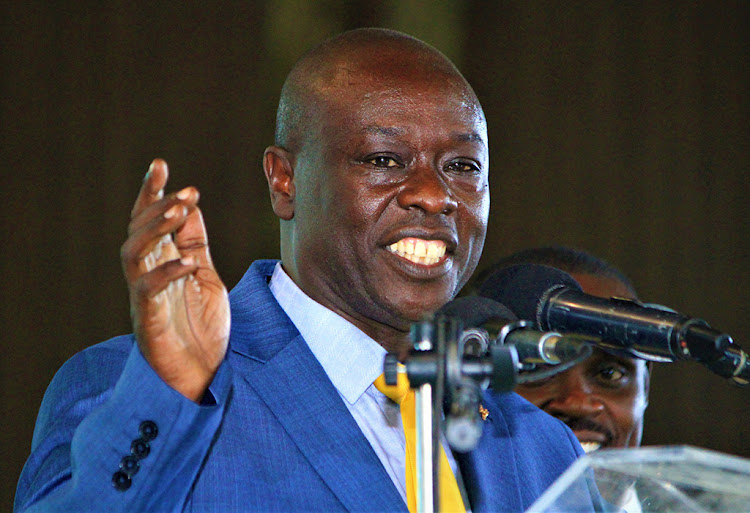
Former Deputy President Rigathi Gachagua has declared that he will vie for the presidency in 2027. On the surface, this may look like a battle for State House. But a closer look shows that his ambition is less about winning the top seat and more about positioning himself as a power broker in the post-election negotiations.
Gachagua understands Kenyan politics well. He knows that after elections, what matters most are the numbers in Parliament, Governors’ offices, and Senate. That is how President Ruto secured control in 2022—by bringing as many leaders as possible into UDA and locking them under one roof. Raila Odinga did the same with Azimio, and after the elections, he negotiated his way into government. Gachagua, despite working hard for UDA, was left exposed. His impeachment was easier because he had no independent bloc of MPs to defend him.
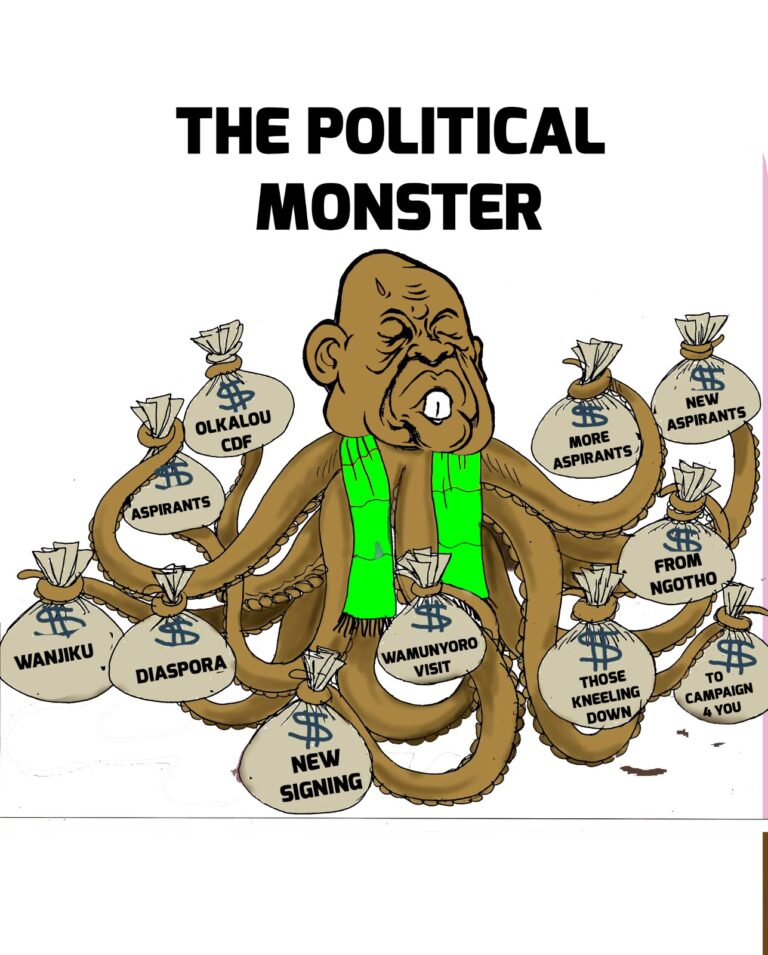
That experience has reshaped his 2027 strategy. He now wants to control Mt. Kenya, parts of Nairobi, and the diaspora vote, with a goal of delivering at least 100 MPs, 15 governors, and 15 senators. In counties where his party produces governors, he plans to demand 50% control of county resources and jobs. His real plan is not just to contest for the presidency but to use the numbers of elected leaders to negotiate with whoever forms the next government.
And this is why Gachagua insists he must run for president. He knows that parties without presidential candidates—like Martha Karua’s Narc Kenya or Uhuru’s Jubilee after 2022—struggle to win seats. Without his name on the ballot, his party risks fading into irrelevance. Running gives him bargaining power, even if Ruto secures a second term. For Gachagua, being on the ballot is less about winning outright and more about ensuring he cannot be ignored.
About the Author