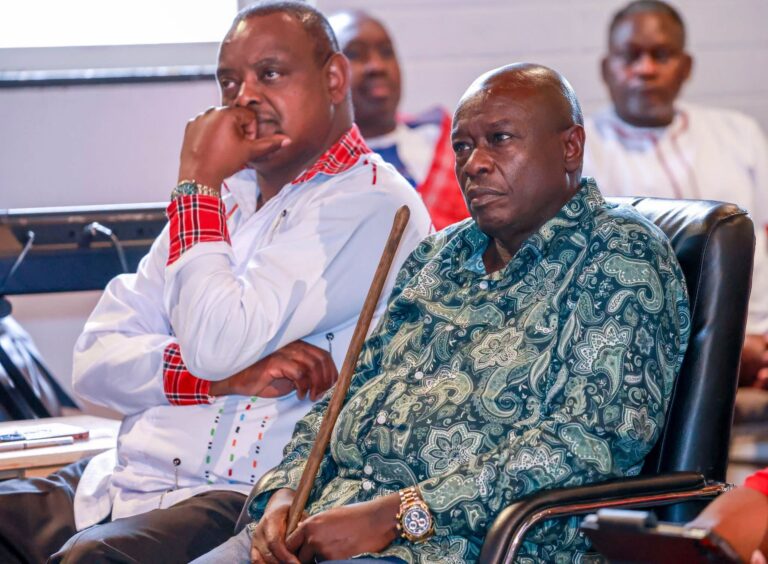
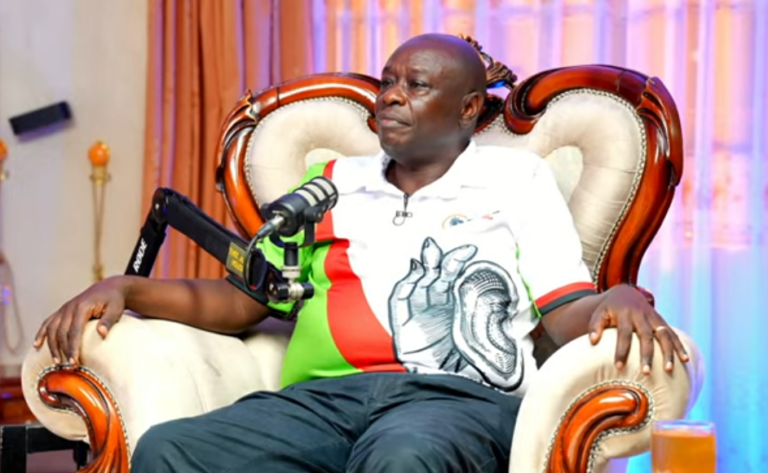
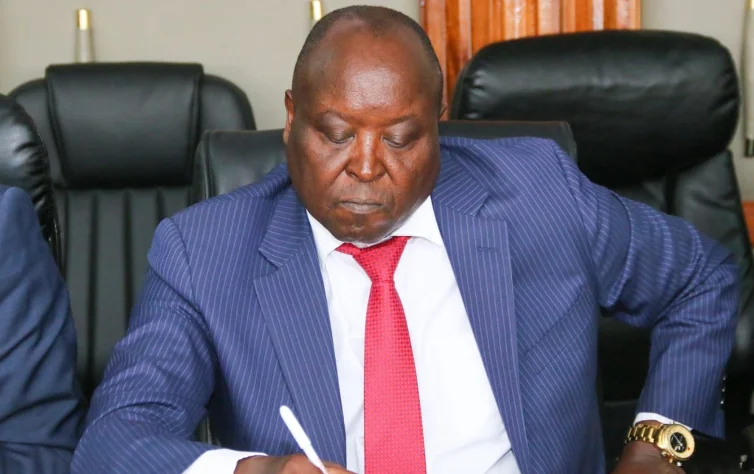
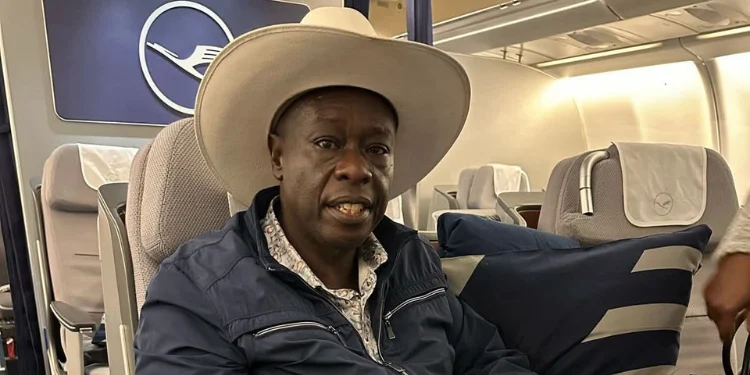
Former Deputy President Rigathi Gachagua’s recent maneuvers reveal a man not simply clinging to opposition politics, but carefully preparing his way back into government. His strategy is built on numbers—and his calculation is clear: he was ousted because he lacked them.
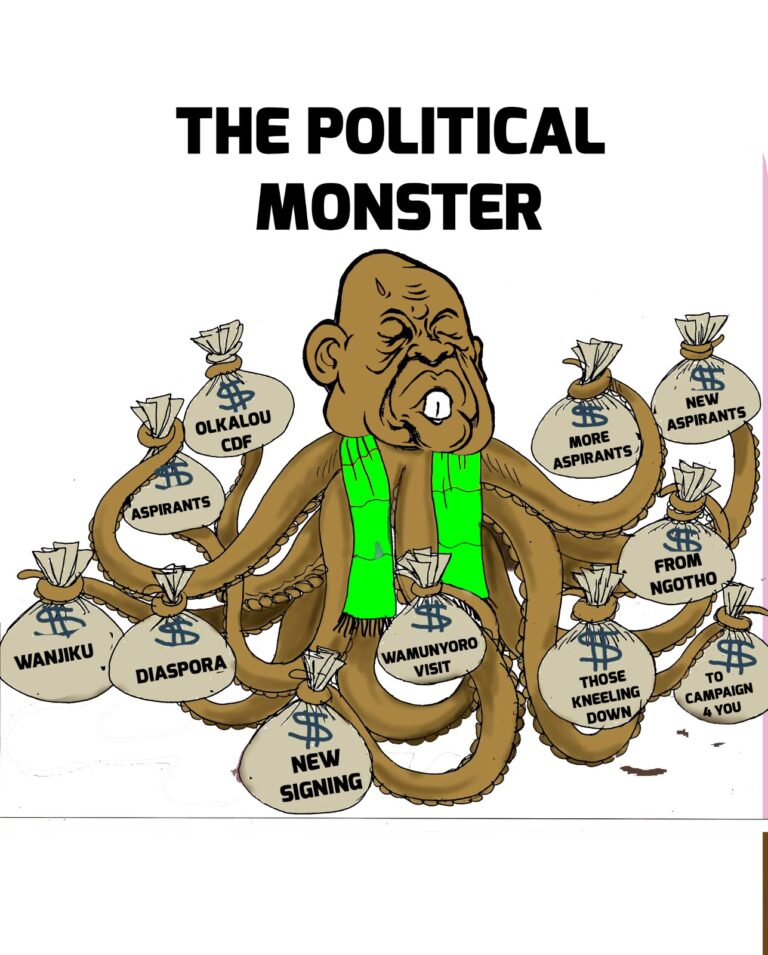
At the heart of his plan is Mt. Kenya. Gachagua is working overtime to ensure the region delivers more Members of Parliament, senators, and governors loyal to him in 2027. For him, this is not just about dominance at the grassroots. It is about bargaining power. With a bloc of lawmakers and county chiefs behind him, Gachagua hopes to sit across the table from President William Ruto and negotiate his way back into the corridors of power.
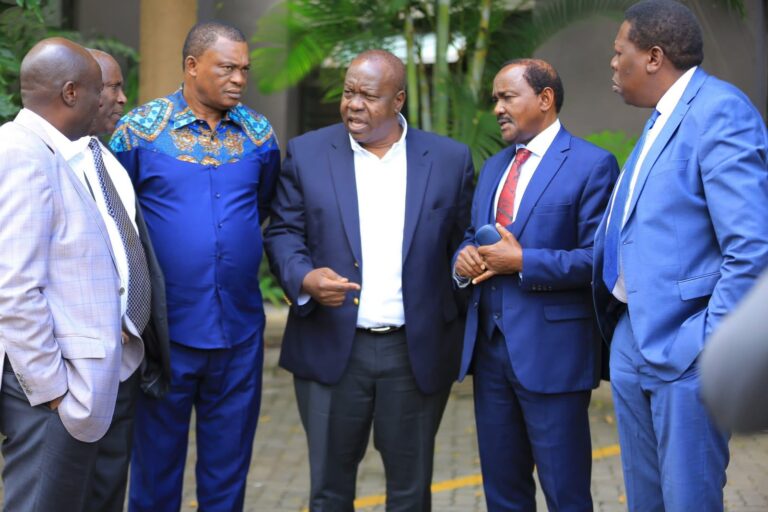
What makes this strategy even sharper is the timing. Gachagua is not betting on an opposition victory in 2027. In fact, he quietly prefers Ruto’s re-election. His logic is simple: if Ruto secures a second term, the President is constitutionally bound to retire in 2032. That provides Gachagua with a ten-year runway—five years to consolidate his Mt. Kenya base and five more to prepare for the top seat. In contrast, if Raila Odinga, Kalonzo Musyoka, or Fred Matiang’i were to win in 2027, they would immediately begin working toward their own re-election, leaving no space for Gachagua’s ambitions.
This explains his hostile rhetoric against opposition leaders seeking space in Mt. Kenya. By gatekeeping the region, he wants to deny rivals any foothold and present himself as the only viable powerbroker.
But while Gachagua’s arithmetic may look sound on paper, it risks deepening divisions and weakening the opposition further. His gamble is not about building a national alternative—it is about positioning himself as Ruto’s most useful ally today, in the hope of becoming his heir tomorrow.
About the Author