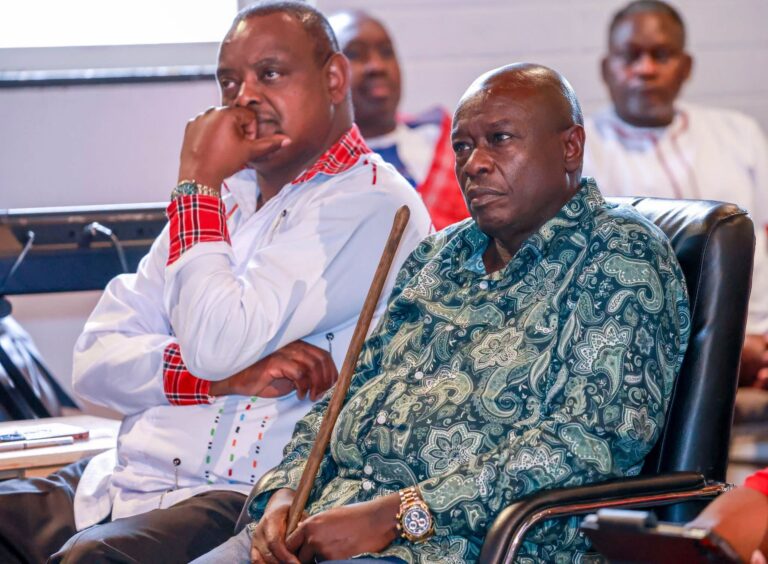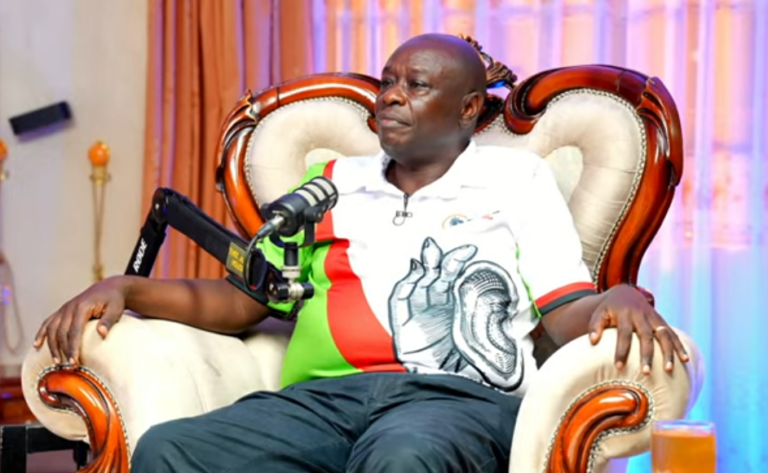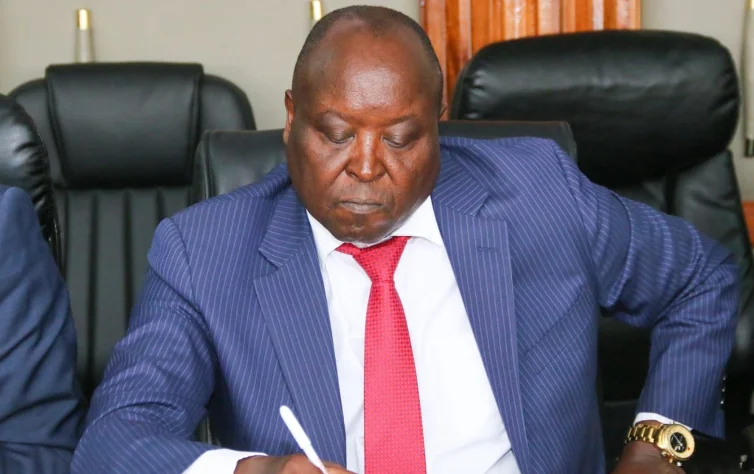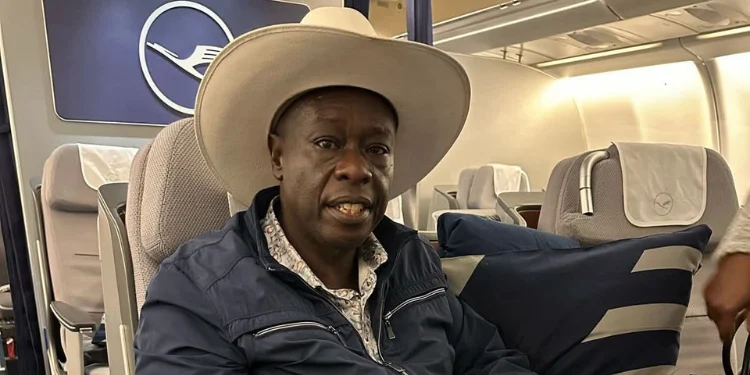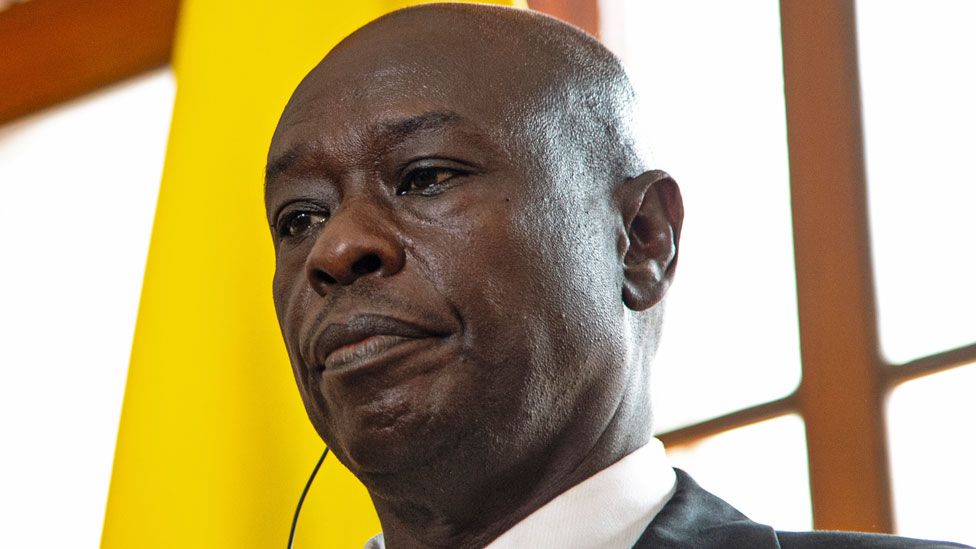
Rigathi Gachagua’s fall from grace has left him restless and politically isolated. Once the second most powerful man in the country, he now finds himself stripped of office, stripped of security, and stripped of the authority he once wielded with ease. His unease is not simply about losing power—it is about losing relevance.
Gachagua’s impeachment was not an accident of politics; it was the outcome of years of combative rhetoric and divisive leadership. For too long, he banked on tribal loyalty, positioning himself as Mt. Kenya’s uncompromising kingpin. But Kenya has changed. The politics of grievance and ethnic siege no longer guarantee survival. Parliament and Senate affirmed this by holding him accountable for corruption, abuse of office, and incitement—charges too weighty to sweep aside.
Since his removal, Gachagua has tried to paint himself as a victim of betrayal. He claims political persecution, but the truth is simpler: Kenya rejected his style of leadership. The country is weary of leaders who recycle division and thrive on brinkmanship while offering little vision for progress. His unease today is the shadow of his own choices.
Power once gave him the comfort of defiance; impeachment exposed his vulnerability. Without the trappings of office, without state machinery, and without guaranteed loyalty, Gachagua is discovering that politics built on fear and tribal arithmetic collapses quickly.
The lesson is clear: accountability has arrived even for those who once believed themselves untouchable. Gachagua cannot find peace because he is confronting the reality of a Kenya that has moved on. And for the country, his unease is not a tragedy—it is a sign that politics of division no longer hold the nation hostage.
About the Author