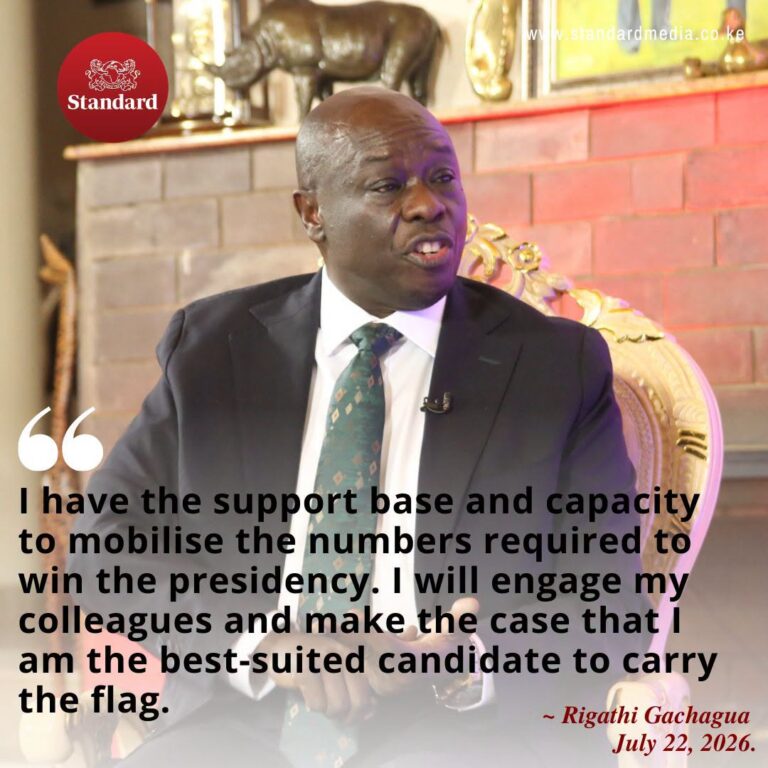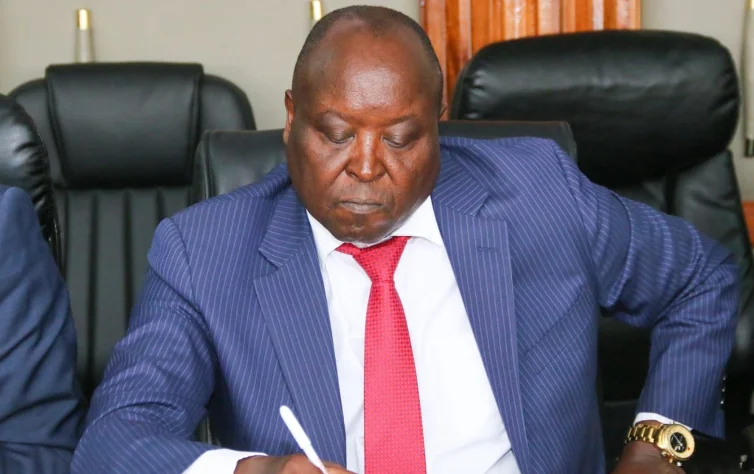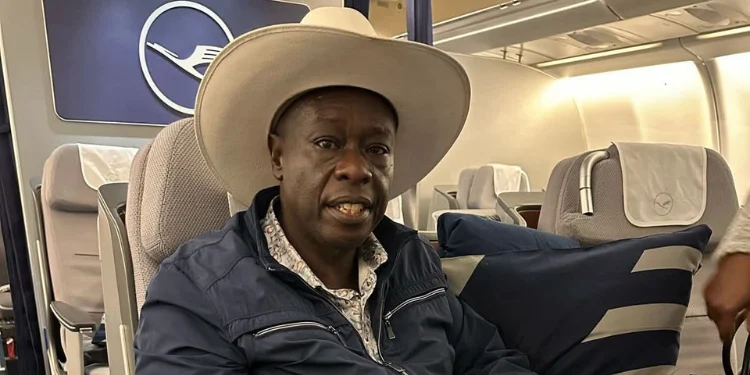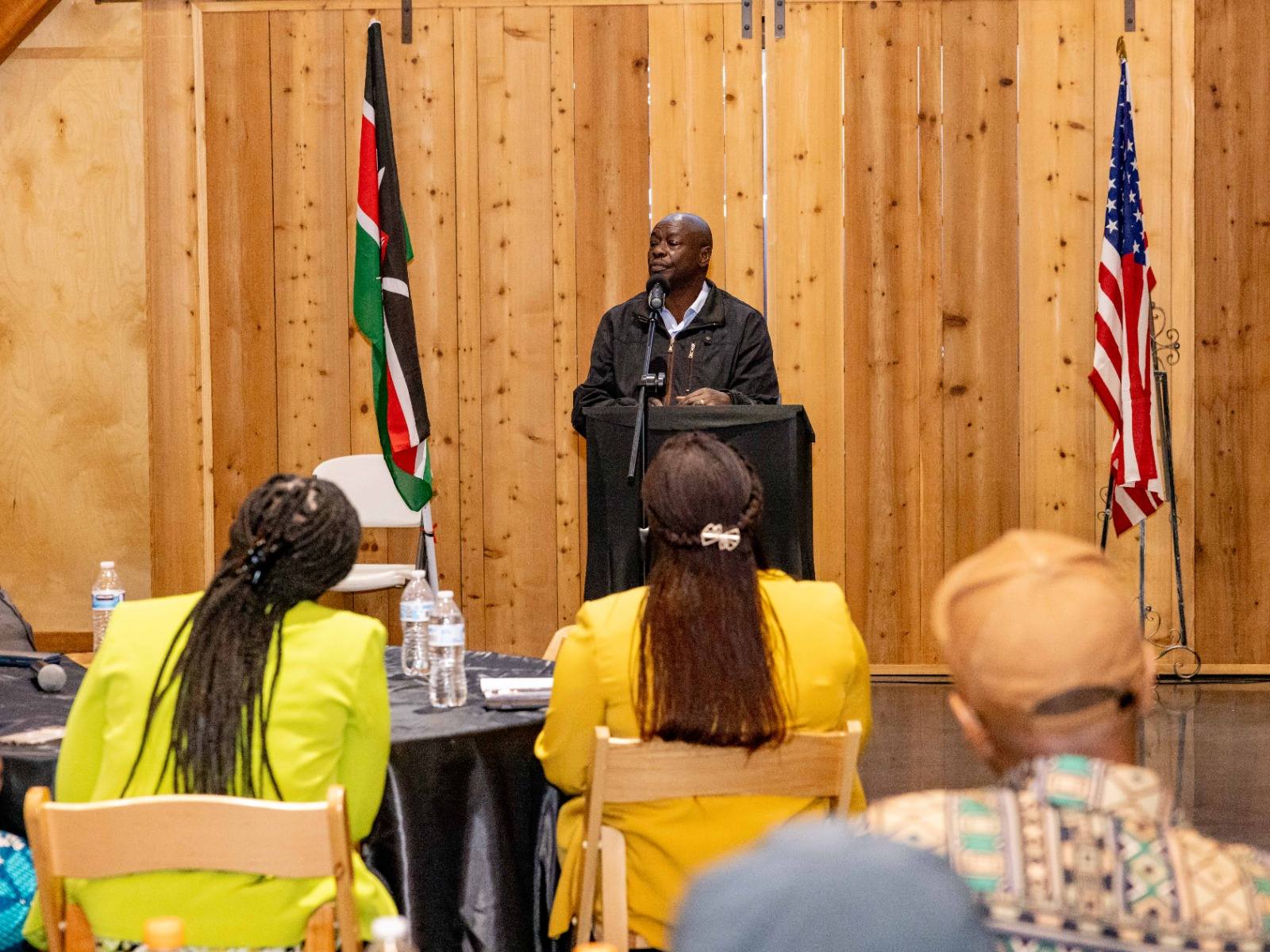
In a move reeking of colonial-era deference, former Deputy President Rigathi Gachagua has jetted to the United States, peddling explosive claims that President William Ruto is in bed with Al-Shabaab terrorists.
Speaking at diaspora events, the impeached leader alleges Ruto held secret nighttime meetings with three Al-Shabaab commanders in Mandera for shady “business” deals, vowing to hand over “evidence” to US authorities to torpedo Kenya’s non-NATO ally status. 13 But as Kenya watches this spectacle unfold, one thing is clear: Gachagua’s transatlantic tantrum is less about national security and more about personal desperation.
Gachagua, once Ruto’s right-hand man, now parades as a whistleblower extraordinaire—a civilian suddenly armed with “critical terrorism intelligence” that even Washington’s vast spy network apparently missed.
To the Americans, who brief African leaders on terror threats and orchestrate global counter-ops, this is pure comedy. A “son of Mau Mau” running to Uncle Sam to tattle on his ex-boss? Joke of the year. It smacks of a colonial administrator’s playbook: dictatorial whispers and hearsay, now repackaged to curry favor in foreign capitals instead of fixing Kenya’s messes at home.
Critics aren’t mincing words. This isn’t patriotism; it’s a calculated bid to paint Ruto black internationally, denying him Western support while Gachagua licks his impeachment wounds. 1 “He knows the West won’t back him, but at least they shouldn’t back Ruto either,” one observer quipped.
Yet, politicizing terrorism—a global scourge that has claimed Kenyan lives—carries real risks. Weaponizing Al-Shabaab for political gain undermines alliances and invites scrutiny from a no-nonsense international security network.
And the results? Zilch. Gachagua’s US tour, meant to rally diaspora muscle against Ruto, has fizzled into irrelevance—no seismic shifts, no ouster momentum, just wasted jet fuel. As Kenya stays safe under Ruto’s watch—whether through Uhuru-era strikes or alleged “strategies” with foes—the burden of security falls on the president, not a bitter exile playing global referee.
Gachagua must remember: Kenyans care about results, not reckless stunts that echo our colonized past.
If this is his path to redemption, it’s a dead end. Time will tell if his antics boomerang, but for now, it’s a hard-hitting reminder—local quarrels belong in Nairobi, not Washington’s ear.
About the Author