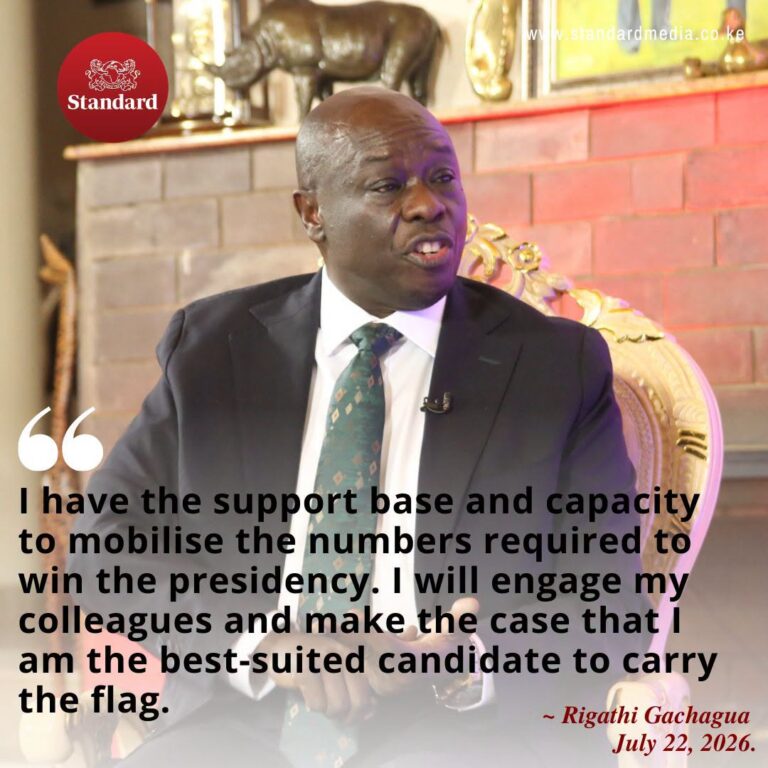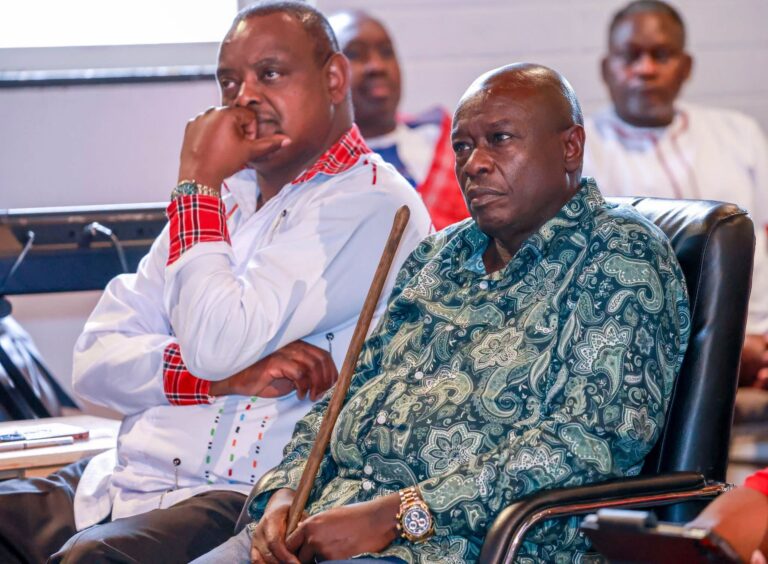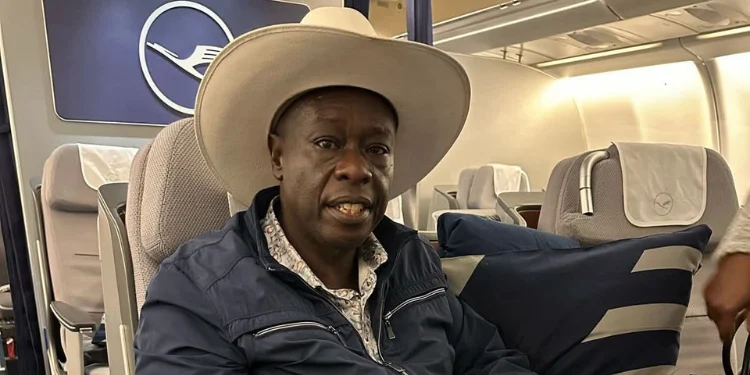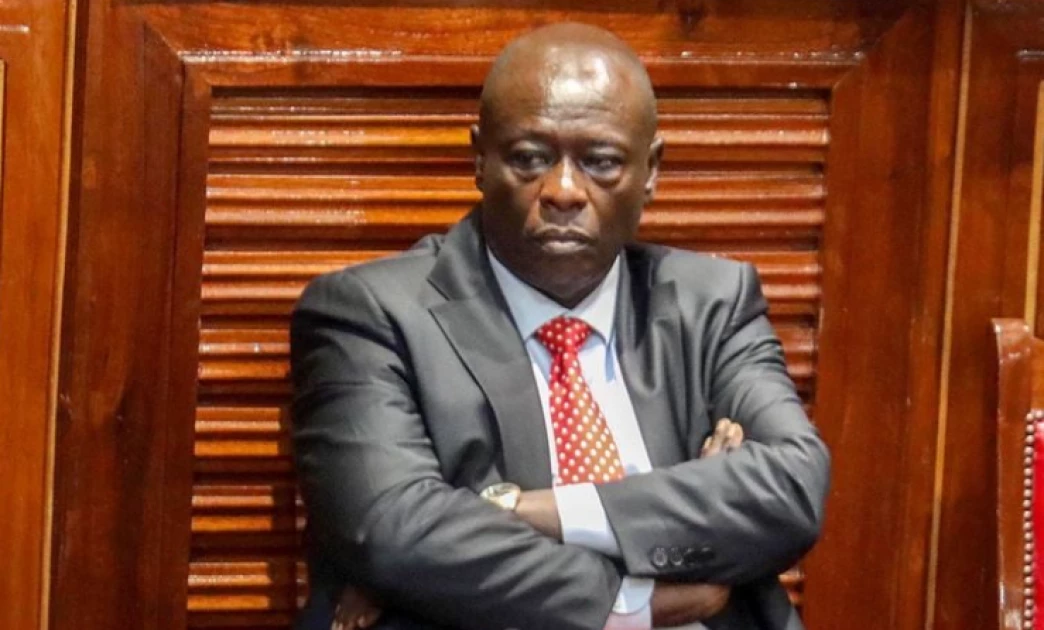
For the last six months, Kenyans have witnessed a troubling pattern in former Deputy President Rigathi Gachagua’s political conduct — one that exposes him not just as a divisive figure, but as a political sadist. His style thrives on other people’s discomfort, feeding off chaos, conflict, and humiliation as if these were the lifeblood of his relevance.
From openly extorting diaspora communities with outrageous “appearance fees” to shaming local leaders into public pledges of loyalty, Gachagua’s politics is anchored not on service, but on squeezing as much as possible out of others — financially, emotionally, and politically. Our investigations have exposed how aspirants were coerced into paying millions for political promises that were quietly duplicated to others. His diaspora tours have turned into cash-harvesting missions, leaving communities divided and disappointed.
Even in national discourse, Gachagua’s rhetoric drips with bitterness. He has consistently portrayed national politics as a zero-sum tribal battlefield, sowing suspicion and resentment between communities. It is a deliberate strategy — weaponizing bitterness to keep his followers emotionally tied to him, not through hope, but through shared grievance.
This sadism extends to how he treats allies and subordinates. Those who question him are publicly embarrassed or swiftly discarded, as we saw when a close handler was sent packing mid-tour for “leaking” information. Gachagua thrives on dominance, ensuring that every interaction reinforces the message: I hold your future in my hands.
But here is the truth: sadistic politics is self-destructive. When your power is built on fear, resentment, and exploitation, it eventually collapses under the weight of alienation. Gachagua may believe this bitterness keeps him in control, but in reality, it is isolating him. His inability to inspire beyond anger will be his undoing — and it’s already begun.
About the Author