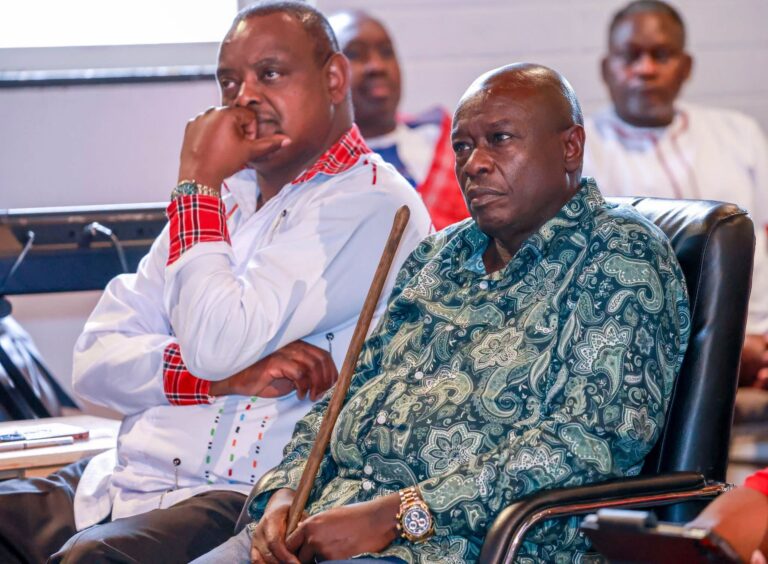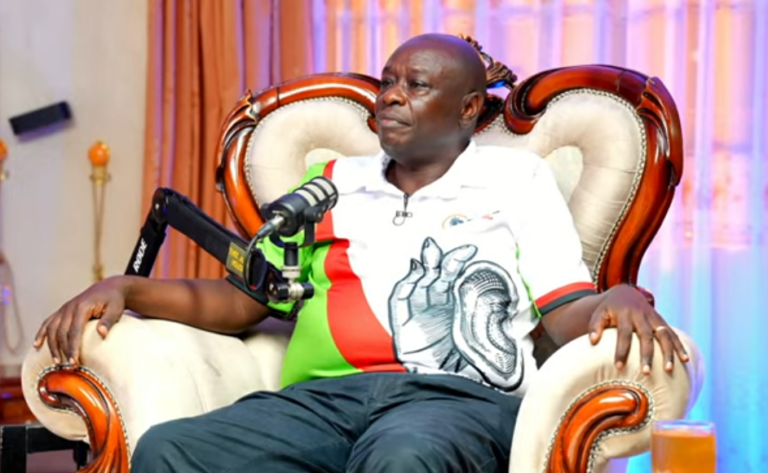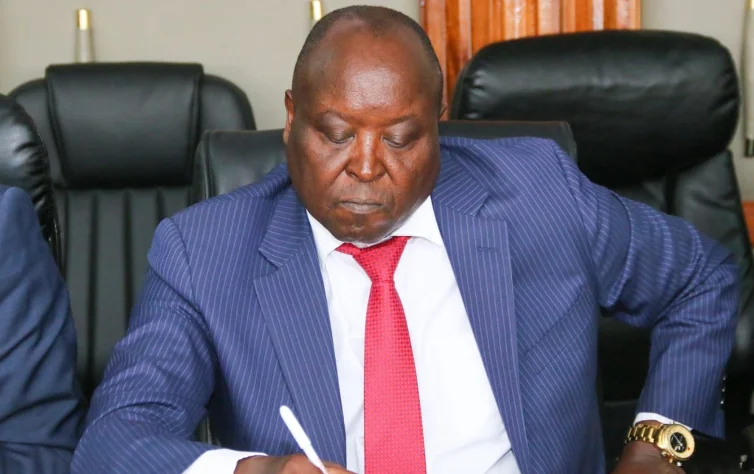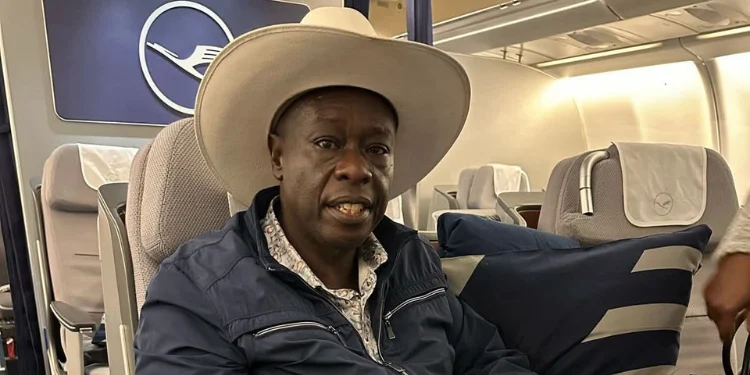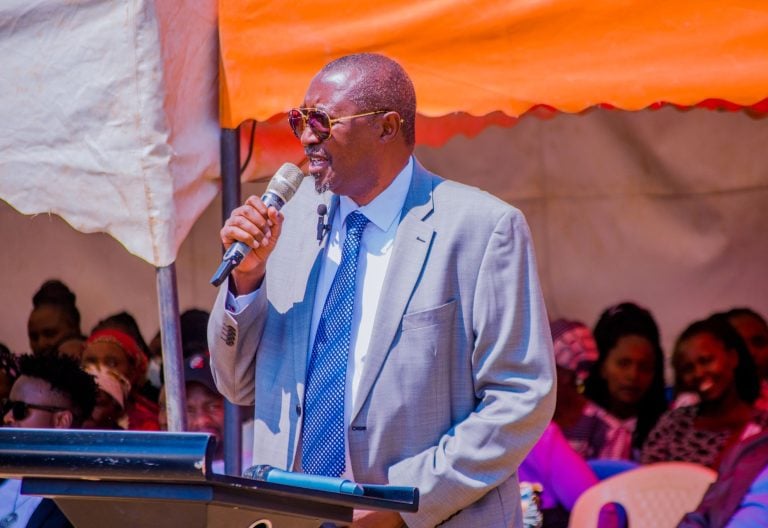
Former Bahati MP Kimani Ngunjiri — once a staunch defender — is blunt: “He impeached himself.” Speaking in a candid interview, Ngunjiri accused Gachagua of overreaching, picking unnecessary fights with MPs, and openly challenging President Ruto’s authority. “He became at the same level as the President,” Ngunjiri said, “and disturbed him with the small, small cases.”
Gachagua’s undoing was a chain of self‑inflicted wounds. His infamous “shareholding” remark — suggesting only those who voted for Ruto deserved state benefits — was widely condemned as tribal favouritism. His persistent framing of Mount Kenya as a victim of state neglect angered other communities and recalled the toxic politics that fuelled the 2007/08 post‑election violence.
His troubles deepened with the Gen‑Z‑led anti‑tax protests of June and July 2024. While denying any role, critics accused him of quietly backing the demonstrations, which left more than 50 dead. His public attack on the National Intelligence Service, blaming it for failing to warn Ruto about the protests, was seen as reckless and disloyal.
The moment that sealed his fate came on the day of his Senate impeachment hearing. Citing “intense chest pains,” Gachagua failed to appear, sending his lawyers to plead for an adjournment. Tearful visits from allies at Karen Hospital painted a picture of a man felled by sudden illness. But Ngunjiri now calls it a “con game” — a last‑minute stunt to stall proceedings. Senators pressed ahead, voting 54‑13 to remove him on charges ranging from gross misconduct to corruption and ethnic incitement.
The corruption allegations were staggering: 5.2 billion shillings amassed in just two years. Gachagua claimed much of it belonged to his late brother’s estate, but the figures fuelled public cynicism. His defence team dismissed the charges as politically driven. The Senate wasn’t convinced.
Even after his fall, Gachagua doubled down on Mount Kenya politics, launching the Democracy for Citizens Party instead of building a broad national coalition. Critics — including Ngunjiri — said he entrenched himself in tribal politics rather than seeking support in Nyanza, Rift Valley, or Coast. Social media users were harsher, calling him a “regional warlord” who never learned the art of national leadership.
President Ruto replaced him with Interior CS Kithure Kindiki, a move that stabilised Mount Kenya politics and allowed State House to reset. Gachagua called it betrayal. Analysts called it inevitability.
In the end, Gachagua’s story reads less like a tale of political victimhood and more like a cautionary parable: a man who mistook defiance for strategy, tribal mobilisation for national leadership, and brinkmanship for survival. In trying to match the President, he lost the presidency he never had — and exiled himself from the stage he once dominated.
About the Author