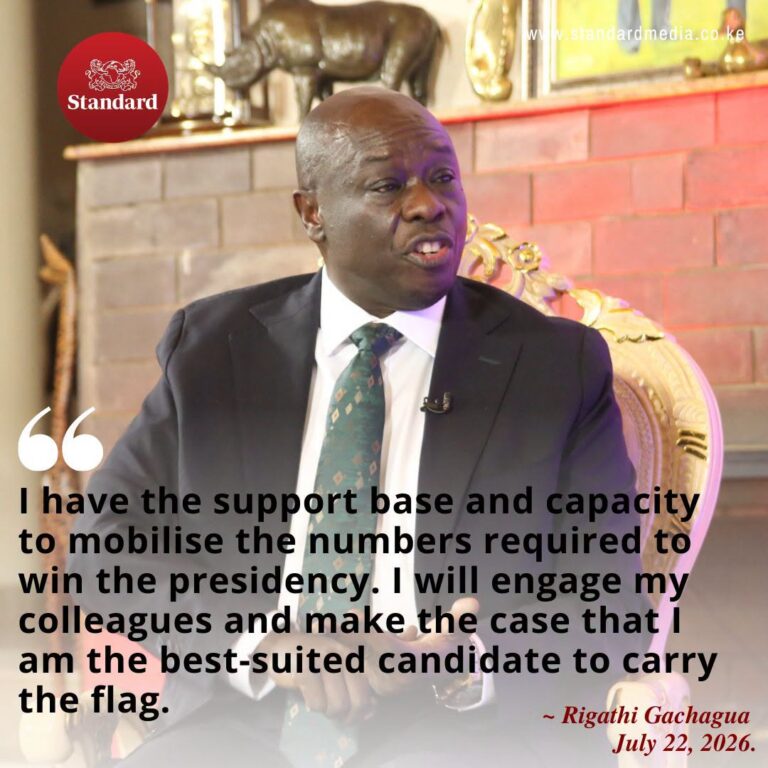
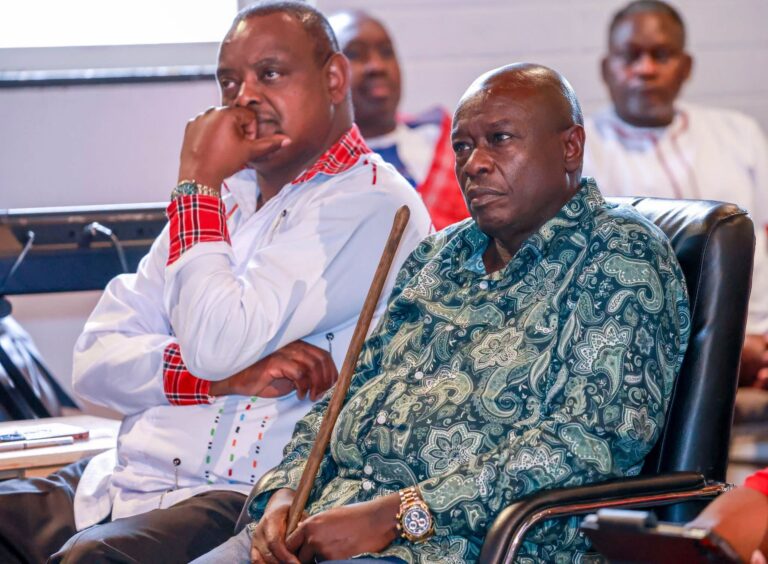
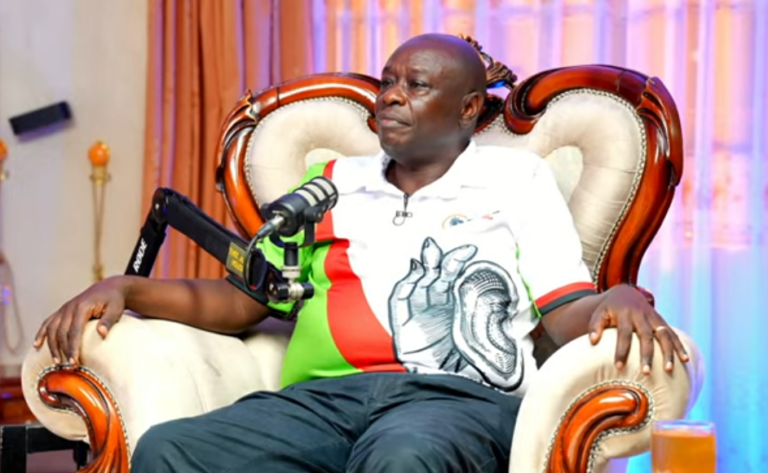
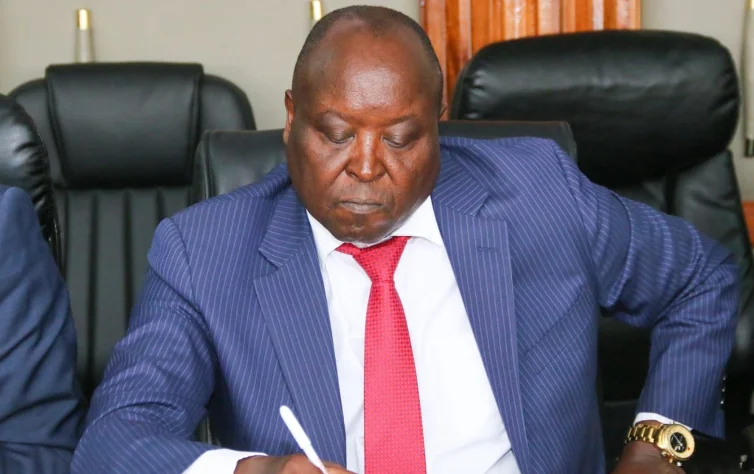
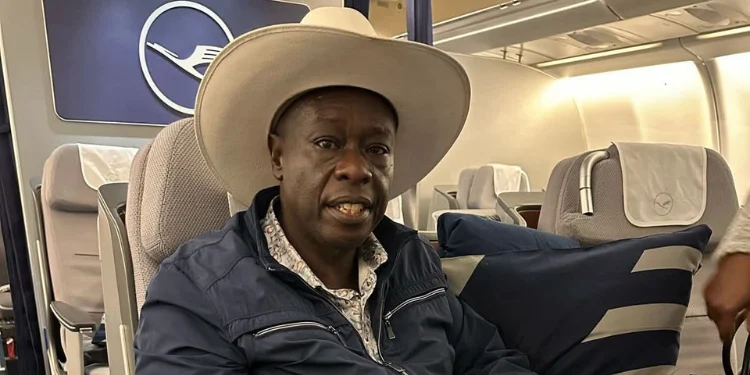
Former Deputy President Rigathi Gachagua,, ended his texas tour on August 4 with a farewell dinner hosted by the Abagusii community. While billed as a discussion on renewal and diaspora engagement, the event has reignited criticism of his reliance on tribal politics—a factor that contributed to his ouster and continues to divide opinion.
Gachagua, now leader of the Democracy for Citizens Party (DCP), thanked his hosts and urged Kenyans abroad to speak out on governance, corruption, and youth inclusion. But his choice to meet diaspora groups along ethnic lines has drawn accusations of perpetuating the same divisive rhetoric that led to his impeachment on charges including inciting ethnic hatred.
His tour has not been without controversy. In Baltimore on July 27, Valentine Wanjiru Githae of the 625 Movement confronted him over his use of Kikuyu during a town hall, warning it alienated non-speakers and deepened ethnic fault lines. Gachagua dismissed the criticism as government propaganda meant to silence the Mount Kenya region—a defense critics say ignores the dangers of ethnic mobilization.
On social media, public sentiment is turning against him. Some call him a “dangerous primitive tribalist,” while younger Kenyans reject his style in favor of issue-based politics. Even within his family, cracks have appeared, with sister-in-law Margaret Karungaru openly backing President William Ruto.
Gachagua’s narrative that Mount Kenya drives the economy and his suggestion that the diaspora withhold remittances until his faction regains power risk inflaming ethnic tensions. Critics warn such rhetoric mirrors the toxic politics that fuelled Kenya’s 2007–08 post-election violence.
While Gachagua presents himself as a reformist, his ethnic-first approach undermines his claim to national leadership. The diaspora—vital to Kenya’s economy—deserves engagement that transcends tribe. Kenya cannot afford a leader who exports divisive politics abroad while promising unity at home.
About the Author