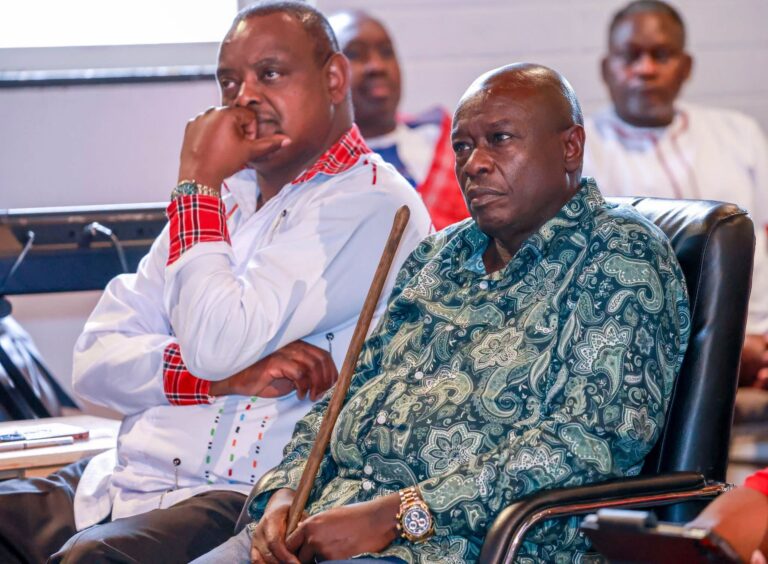
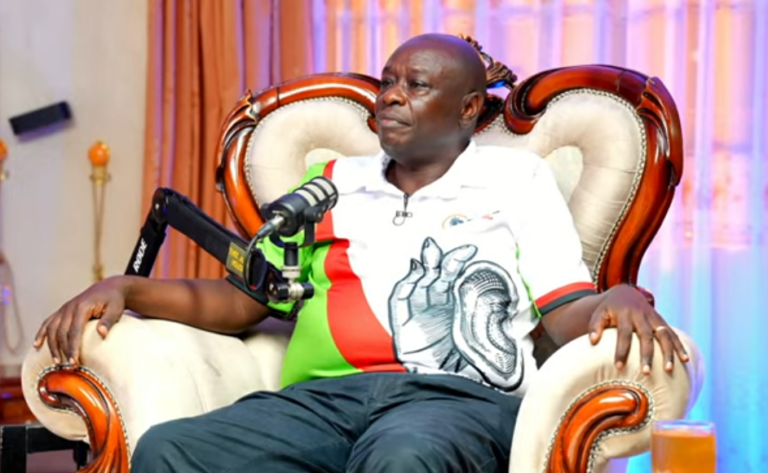
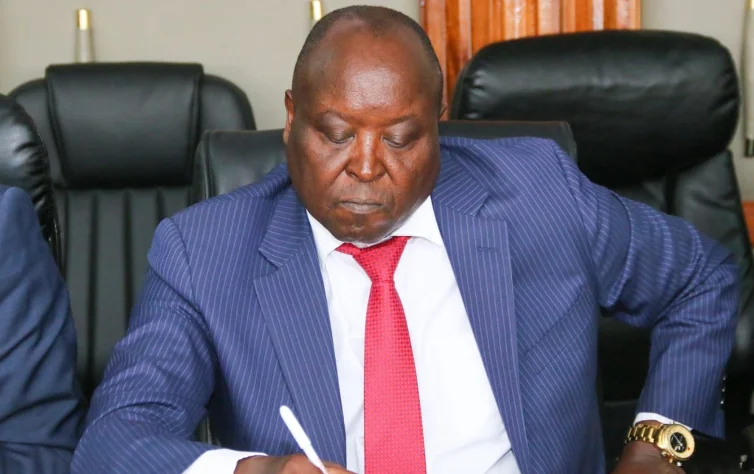
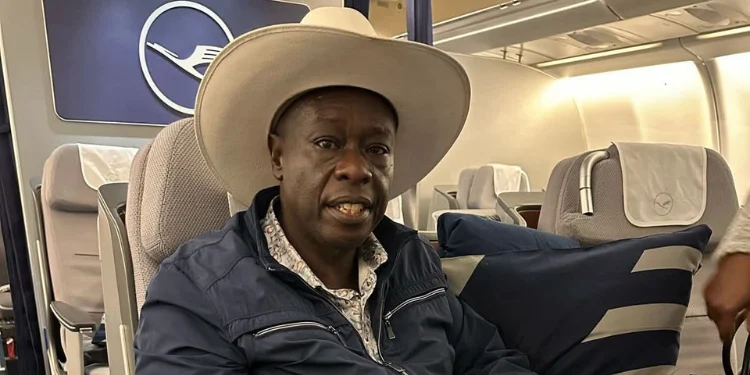
The winds are shifting in Mt. Kenya. Once considered the political heartbeat of the region, Rigathi Gachagua is finding himself increasingly isolated. His tribal rhetoric, once disguised as community empowerment, is now being met with cold realism from a population that has evolved—economically, socially, and politically.
For years, Gachagua championed a brand of politics that painted Mt. Kenya as under siege, casting other regions as threats rather than partners. He spoke of “protecting the mountain” while alienating other Kenyan communities, creating a false sense of victimhood and paranoia. But the people of Mt. Kenya are no longer buying it.
This is a region that thrives on trade, innovation, and enterprise. From Nyamakima to Gikomba, to the matatu routes of Nairobi and the farms of Mwea and Kinangop, Mt. Kenya’s economy is deeply connected to every corner of Kenya. Traders from Meru sell produce in Kisii. Kikuyu boda boda riders do business in Kisumu. Businessmen from Nyeri invest in Mombasa. Gachagua’s tribal sermon simply doesn’t reflect the lived reality.
Worse still, his tribal narrative risks economic sabotage. No trader wants to be profiled based on ethnicity. No entrepreneur wants politics to destroy the bridges they’ve built across Kenya. The youth want digital jobs, not tribal camps. Women want better markets, not political ghettos.
The truth is, Mt. Kenya is not defying Gachagua because of disrespect—it’s because they’ve outgrown him. They see the future in unity, trade, collaboration, and a Kenya where ideas—not tribes—compete. His politics are stuck in the past, while the region is boldly moving into the future.
If Gachagua doesn’t evolve, Mt. Kenya will leave him behind. And they already are.
About the Author