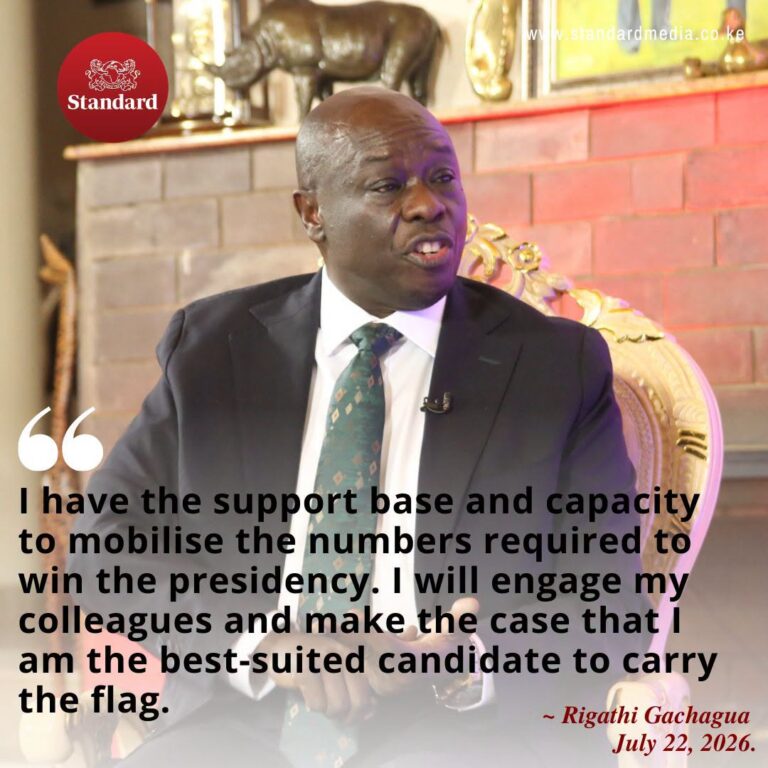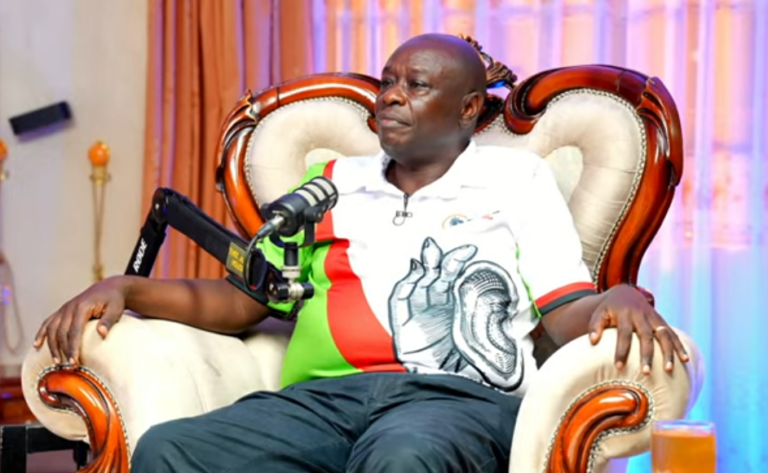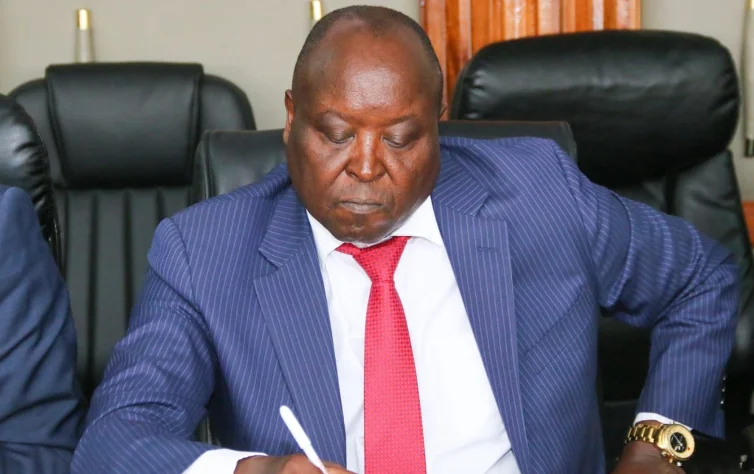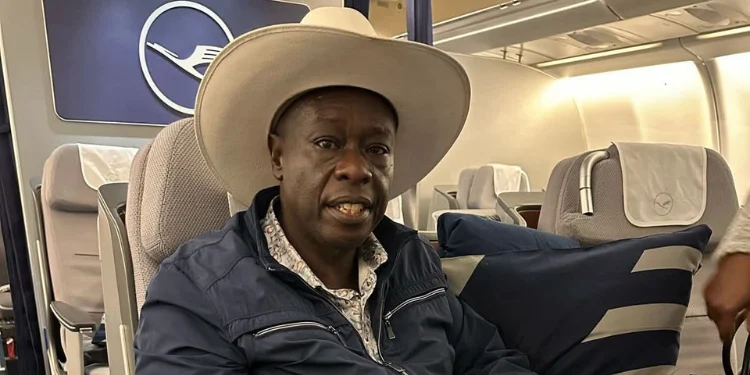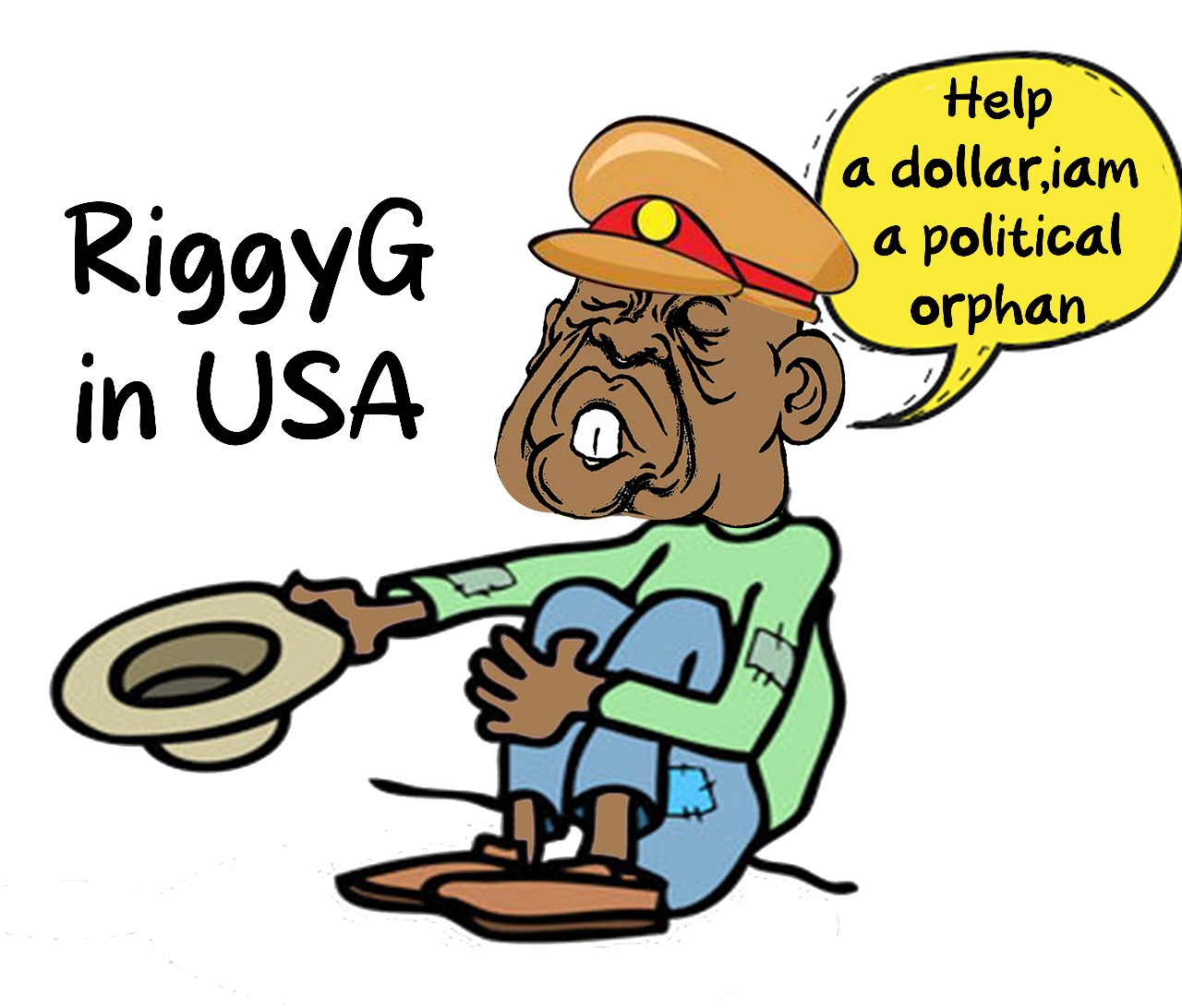
Rigathi Gachagua’s path to 2027 appears less like a democratic campaign and more like an organized extortion syndicate targeting aspirants, businessmen, and diaspora communities. What began as political mobilization has now mutated into a cartel where access is for sale—and refusal invites consequences.
Several WhatsApp groups have been created specifically for contributors, divided by monthly amounts: Kshs 1 million, 5 million, and even 10 million. These are not campaign coordination groups—they are fundraising rings where members are promised priority in appointments and influence. Donors are reportedly meeting Gachagua in secret, with no photos or records allowed. Some of them are known corrupt businessmen and anarchists who want protection, not publicity.
Worryingly, aspiring politicians—especially from Mt. Kenya—are being coerced into contributing or risk being isolated politically. Entry into Gachagua’s inner circle has been monetized, creating a system where money, not merit, determines influence.
Diaspora Kenyans are also being targeted. They’re being told Gachagua needs “billions” to mount a presidential bid, and contributions are expected monthly. Those who ask questions are labeled traitors.
Most alarming, however, is the climate of fear growing among Mt. Kenya businesspeople. Those who decline to contribute report threats of violence and chaos—often carried out during the now-synonymous pro-Gachagua demonstrations. Some have received warnings that their businesses will be disrupted or exposed unless they fall in line. A few are even considering relocating for their own safety.
This isn’t politics—it’s extortion in broad daylight, masquerading as a campaign. A movement built on fear, money, and silence cannot birth ethical leadership. If this is the cost of 2027, Kenya must ask: how much more are we willing to lose?
About the Author