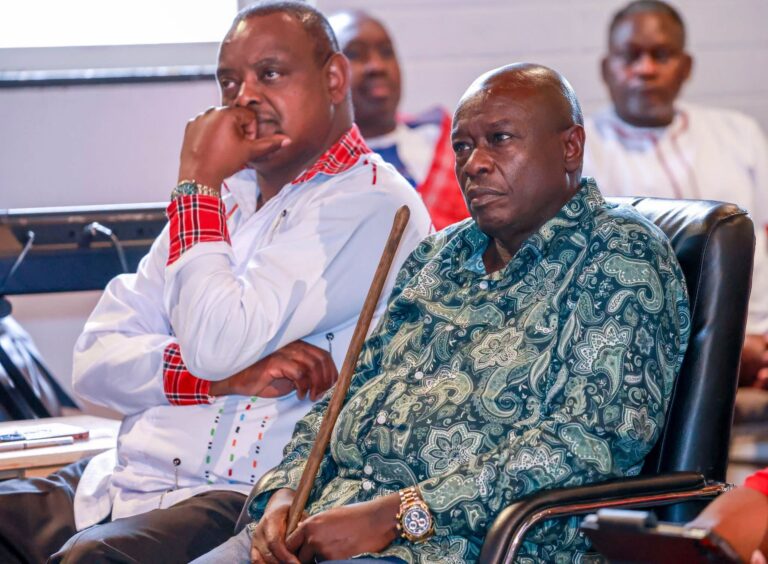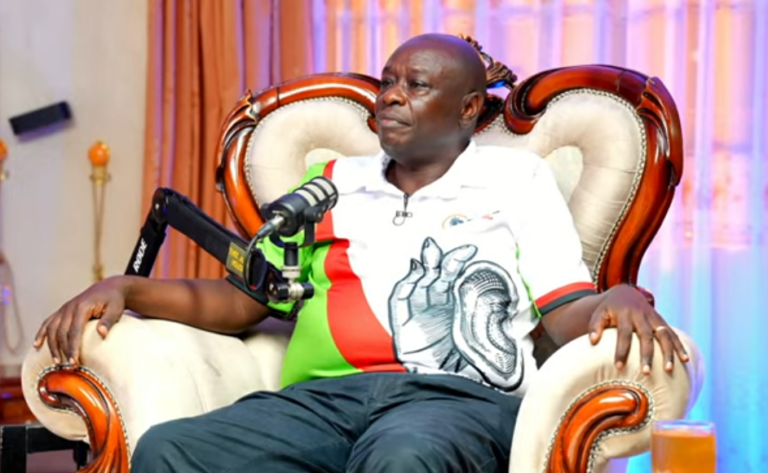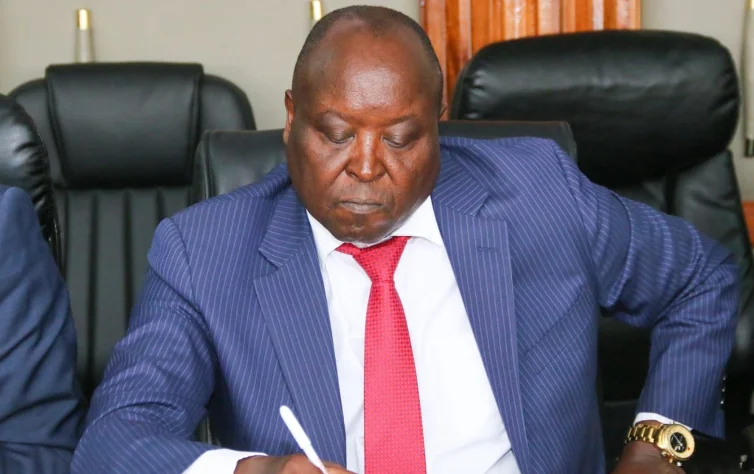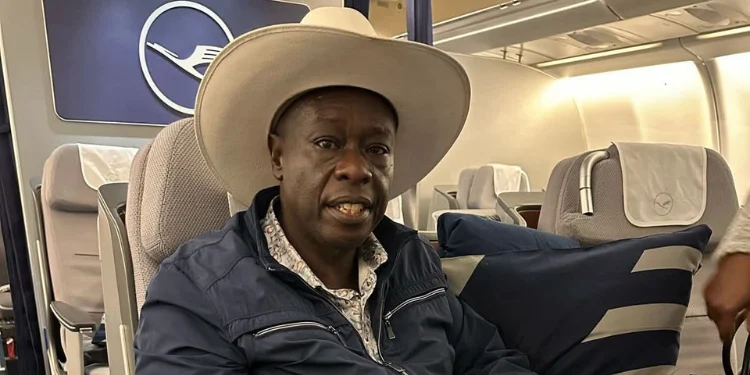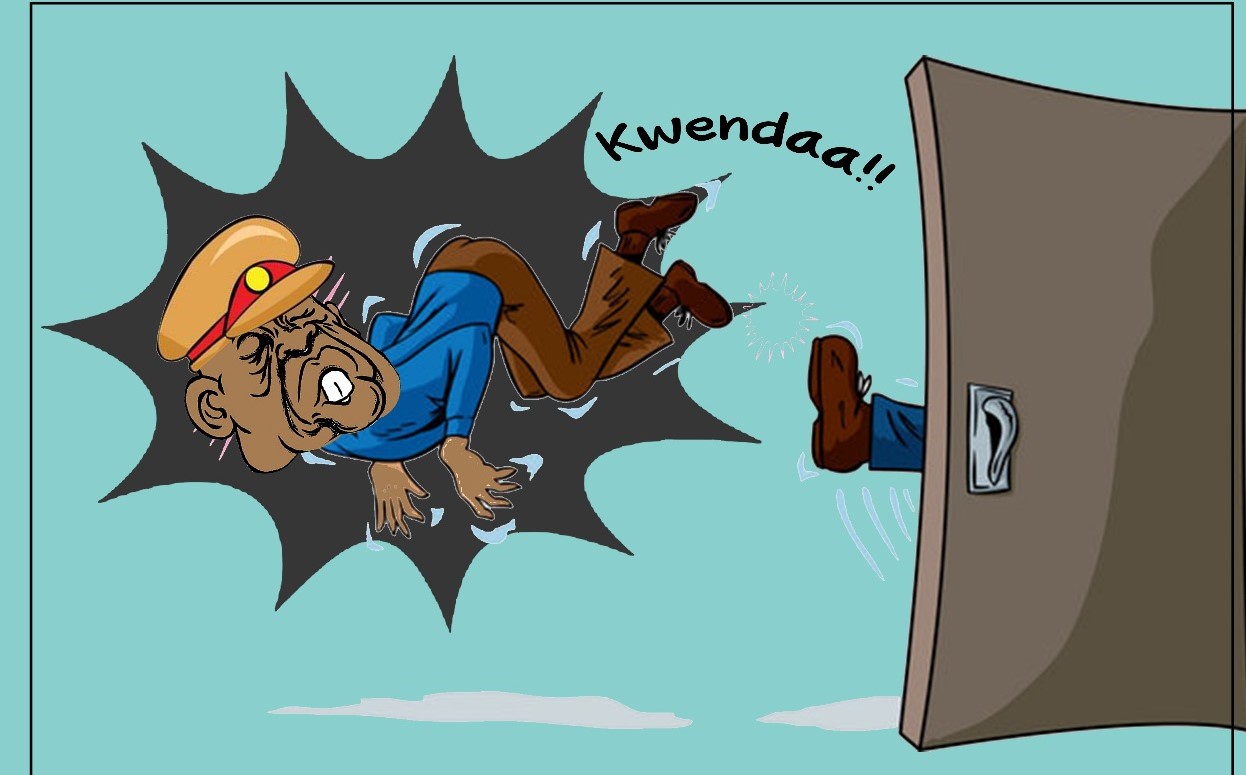
Former Deputy President Rigathi Gachagua’s impeachment in October 2024 didn’t come out of nowhere. It was the result of months of rising tension within government, accusations of high-handedness, and a growing feeling — even among his allies — that he was becoming more of a liability than a leader.
At the heart of it all was his attempt to introduce a dangerous style of leadership: centralizing power around himself and trying to dictate how government was run, far beyond his mandate. Cabinet Secretaries, governors, and MPs privately grumbled about how he acted more like a “mini-president” than a second-in-command. He often gave orders that clashed with official government positions, undermined fellow leaders, and demanded loyalty not to the country, but to himself.
Gachagua turned the Deputy President’s office into a parallel command center — holding meetings that sidelined ministries, issuing directives without consultation, and allegedly threatening public officers who did not toe his line. His obsession with controlling appointments, especially in Mt. Kenya, raised eyebrows and painted a picture of a man more focused on building personal fiefdoms than national unity.
His downfall accelerated when he publicly challenged the President and hinted at having more “real power” than anyone realized. This crossed the line. Within days, impeachment motions gained momentum, and even previously silent MPs came forward with stories of intimidation and abuse of office.
What ultimately brought him down was not just the attempt to act like a dictator — but doing so in a democratic system, among leaders who refused to be bullied. Gachagua’s story is a reminder that in Kenya’s evolving democracy, power is still earned through service, not threats or tribal command.
In the end, his impeachment was not political revenge. It was self-inflicted.
About the Author