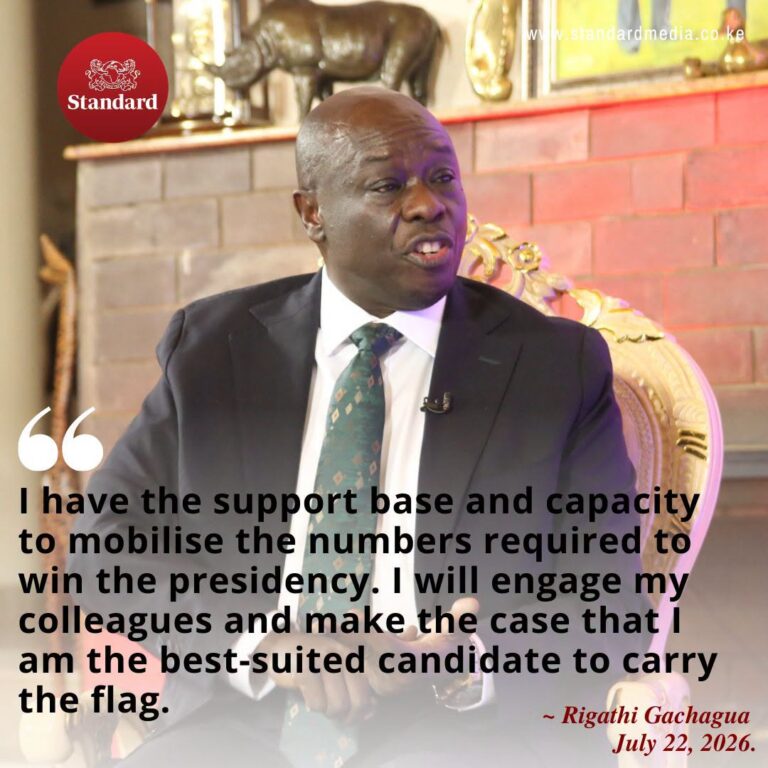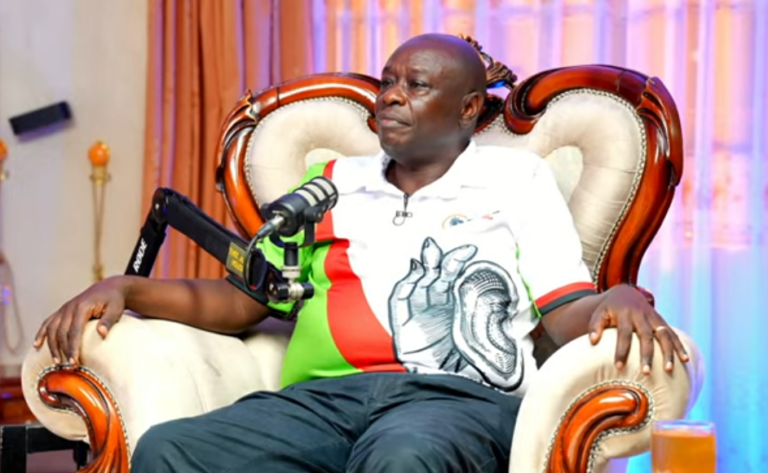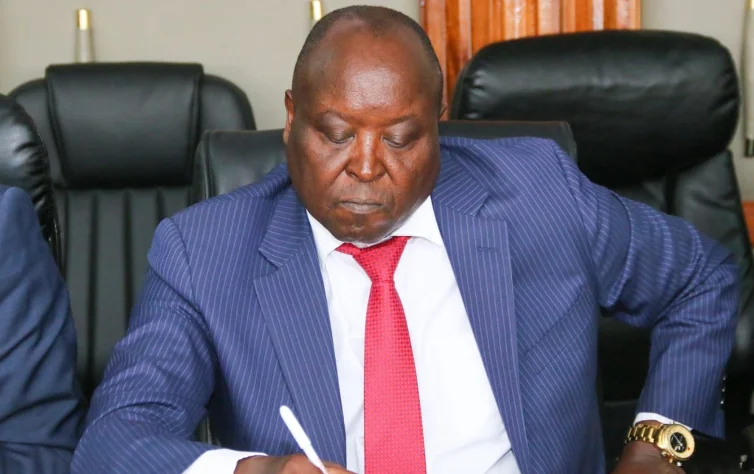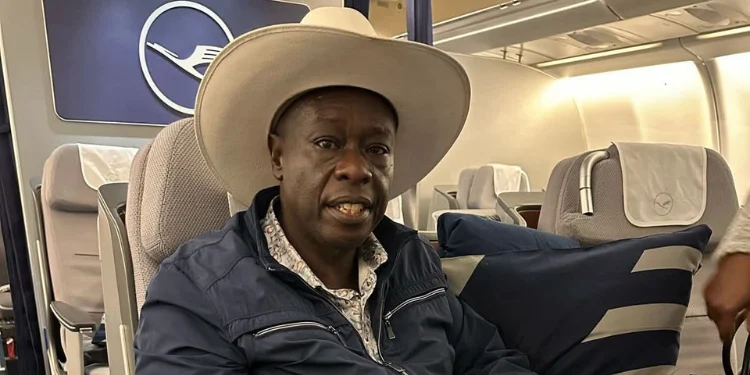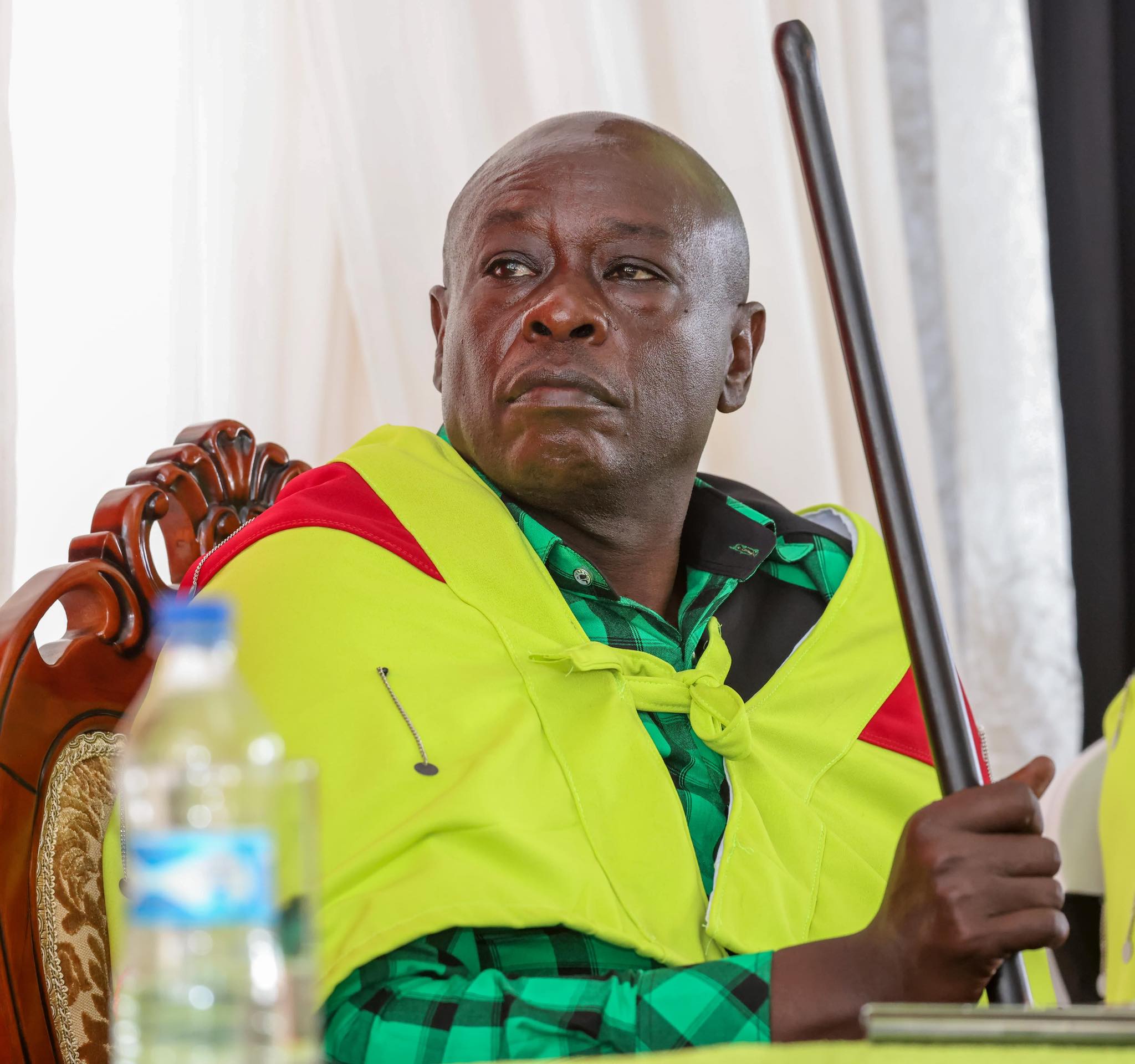
Former Deputy President Rigathi Gachagua wants the country to believe he has undergone a political transformation — that he has now “seen the light,” speaks for the common man, and is fighting for Mt. Kenya’s voice. But a closer look reveals something else: Gachagua hasn’t changed — what has changed is that he no longer has power.
When Gachagua was riding high as Deputy President in 2022 and 2023, he wasn’t calling out injustice or exclusion. Instead, he wielded power with an iron fist. He bullied Mt. Kenya leaders who disagreed with him, demanded that all parties in the region collapse into UDA, and aggressively defended government positions, even when they were unpopular. He dismissed critics, mocked dissenters, and threatened those he saw as obstacles. Back then, Gachagua didn’t speak for the people — he spoke at them.
He ruled with the arrogance of a District Commissioner from the old provincial administration — and proudly called himself one. He centralized decision-making around himself, declared he was the “kingpin” of Mt. Kenya, and punished political rivals with state machinery. When he was the most powerful Deputy President Kenya had seen in decades, he never once complained about centralization of power or unfair treatment.
Today, stripped of real power after his impeachment as UDA deputy party leader and politically sidelined by President William Ruto’s inner circle, Gachagua is singing a new tune. He claims to be a victim, cries betrayal, and presents himself as the defender of Mt. Kenya interests. But this sudden populism is not born of principle — it’s born of desperation.
Gachagua’s rhetoric today isn’t driven by a new ideology. It’s driven by a loss of influence. If he were still the ruthless Deputy President at the peak of UDA’s power, he would be behaving exactly as he did in 2022 — enforcing loyalty, silencing opponents, and demanding obedience. His political shift is not a conversion — it is a performance. And Kenyans must not be fooled by the script.
About the Author