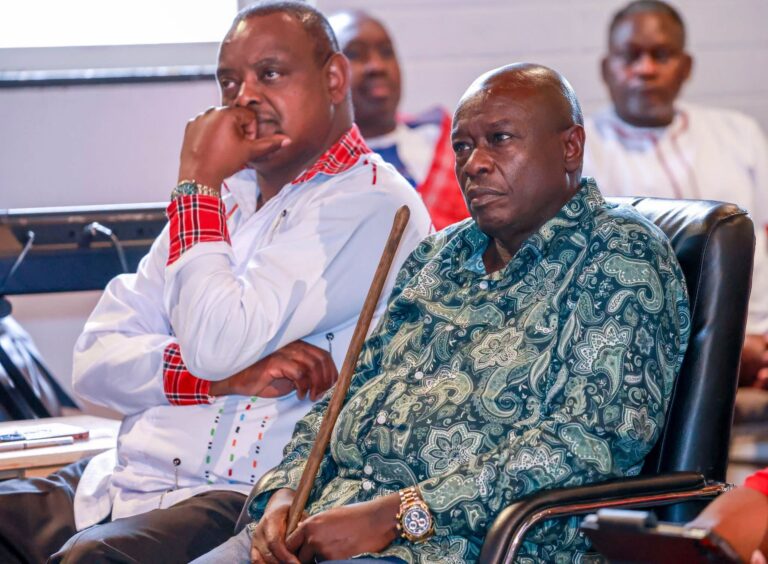
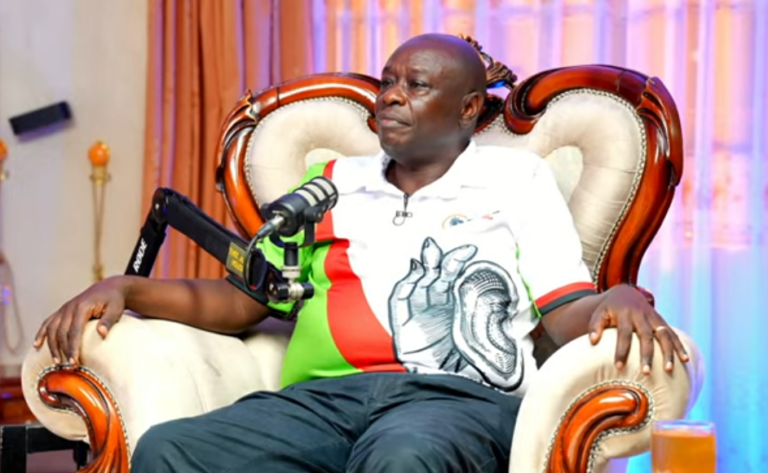
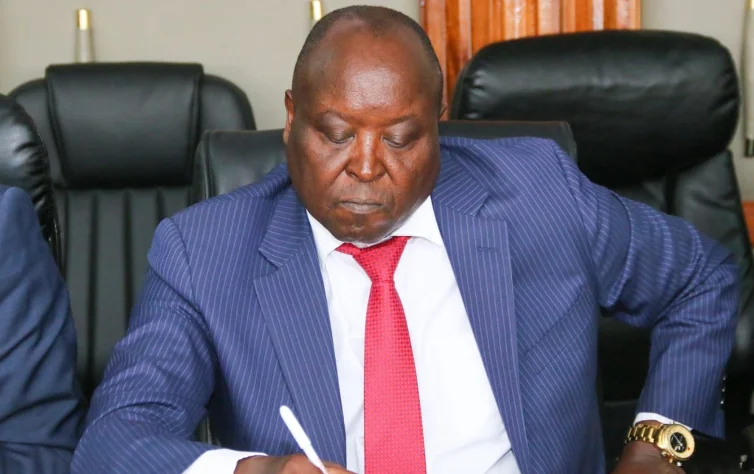
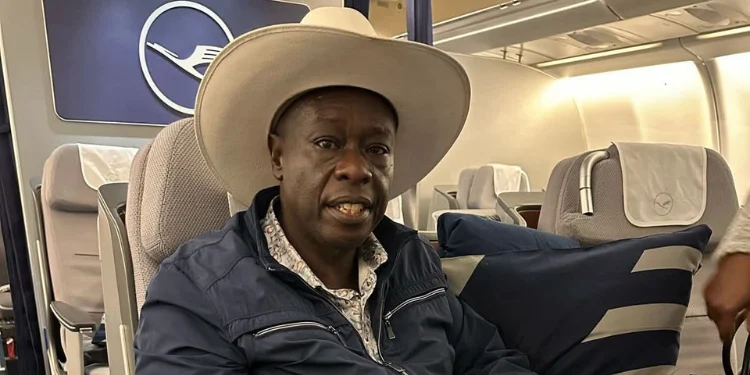
Kenya’s Gen Zs have turned online platform X into a digital coliseum, where former Deputy President Rigathi Gachagua’s claim to their movement is being shredded with sharp-witted scorn. Ousted in October 2024, Gachagua now casts himself as a martyr, insisting his impeachment was the price of siding with the youth during their 2024 anti-Finance Bill protests and 2025 commemorations for fallen demonstrators.
But Gen Zs, amplified by voices like Cyprian Nyakundi, see through the posturing, accusing him of a diabolical flip-flop. His desperate bid to cling to power—groveling, lawyering up, and even feigning illness—clashes with his newfound narrative of sacrifice, exposing a politician surfing their wave for relevance.
Gachagua’s story is bold but shaky. In a June 27, 2025, NTV interview, he hailed Gen Z’s “tribeless, issue-driven” protests, denying any role in funding or leading them but offering “moral support.” He’s claimed his rift with President William Ruto stemmed from opposing police brutality, telling a Meru crowd, “I clashed with the boss over the killing of Gen Z.” He’s also alleged state-sponsored goons looted businesses to discredit the youth, a claim echoed on June 26, 2025, via Tuko.co.ke.
Yet, his actions during his impeachment saga tell a different tale. Gachagua did everything earthly possible to avoid losing his “very good job”: he apologized to Ruto, beseeched opposition leader Raila Odinga for intervention, hired Kenya’s top lawyers, and even faked sickness to dodge Ruto’s wrath, per sources close to the process. To now claim he sacrificed his role for Gen Z? On X, that is called diabolical.
Youth, led by voices like Nyakundi , are relentless in exposing this hypocrisy. On September 26, 2024, the X user blasted Gachagua’s “use of the criminal justice system to manage political issues” when his aides faced protest-related scrutiny.
Replies to the post are savage:
“He was begging Ruto for forgiveness while we were dodging bullets,” one user wrote. Another jabbed, “Faking sickness to save his job but now he’s our hero? Hard pass.” Gen Z hasn’t forgotten his July 2023 quip as Deputy President: “You can’t go to the streets and expect the police to kiss you!”—words that now haunt his anti-brutality rhetoric. His absence during the June 2025 Nairobi protests, where tear gas met mourners honoring the 16 killed in 2024 (per Amnesty Kenya), only deepens the distrust. “He’s not on the streets but first in line for TV interviews,” a commenter under @c_nyakundih’s thread sneered.
The Gen Z movement—fueled by rage against inflation, 90% youth unemployment, and punitive taxes—prides itself on being “leaderless, partyless, tribeless.” Gachagua’s Mt. Kenya-heavy rhetoric risks poisoning this ethos, with one X user warning, “He’s turning our fight into a regional side hustle.” A viral meme shared under @c_nyakundih’s posts shows Gachagua stretching before a TV appearance, captioned, “Warming up to hijack Gen Z’s struggle.”
His “WanTam” slogan may trend on placards, but the youth reject his attempt to claim their mantle.
His defenders argue he’s a scapegoat, pointing to his February 2025 Star interview where he denied orchestrating protests but urged youth to vote in 2027.
They cite his June 16, 2025, warning of goons infiltrating demos as proof of concern. But these voices are drowned out by Gen Z’s digital roar. His groveling to Ruto, his pleas to Odinga, his legal acrobatics, and his convenient illness paint a picture not of sacrifice but of survival. As one X user put it, “We don’t need pastors playing sick. We need fighters in the streets.”
Kenya’s youth have made X their battleground, wielding memes and hashtags to guard their movement’s purity. Gachagua’s attempt to ride their wave—after dodging impeachment with every trick in the book—has crashed against their defiance. His past as Ruto’s enforcer and his present as a self-styled savior don’t align. In this tribeless uprising, Gen Z’s verdict is clear: no politician, especially not a shape-shifting Gachagua, gets to claim their revolution.
About the Author