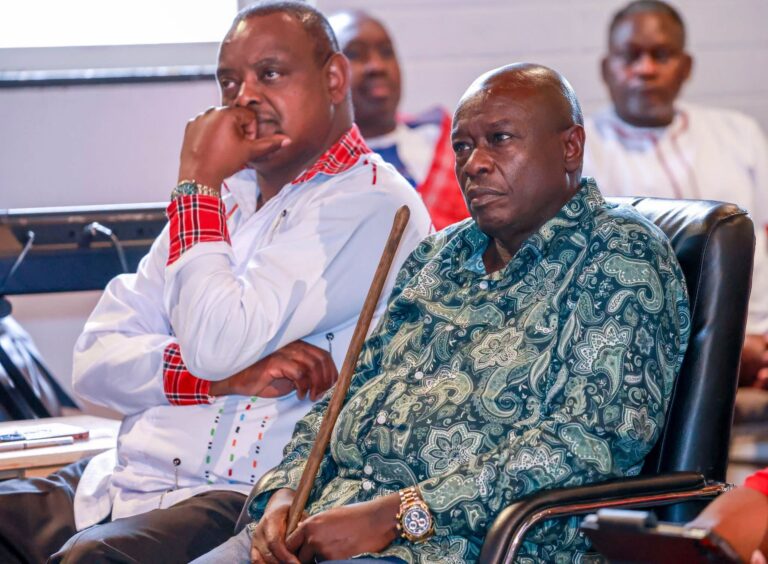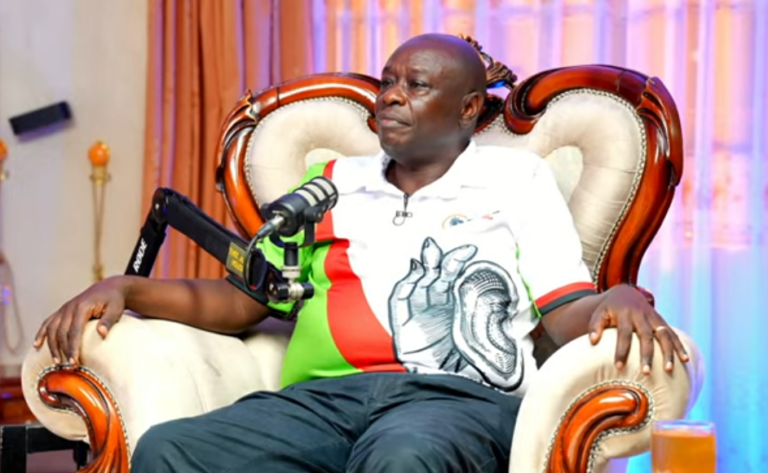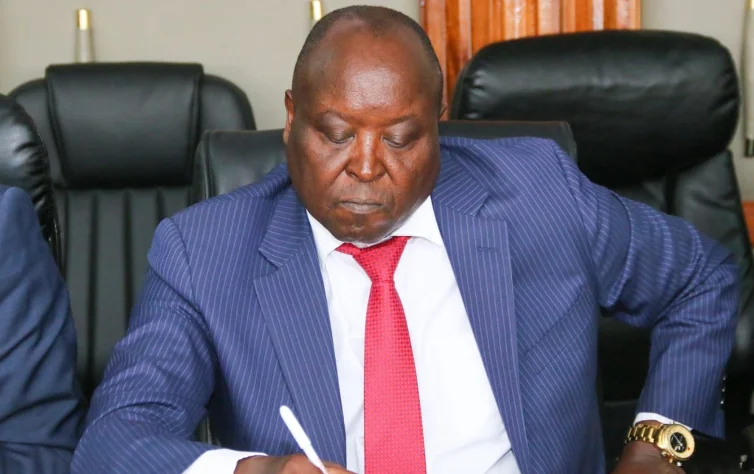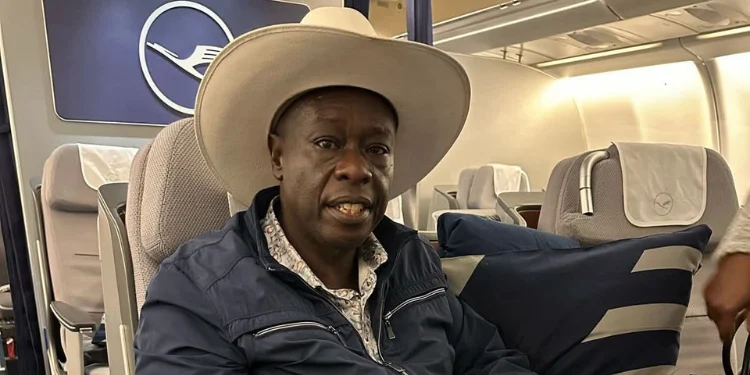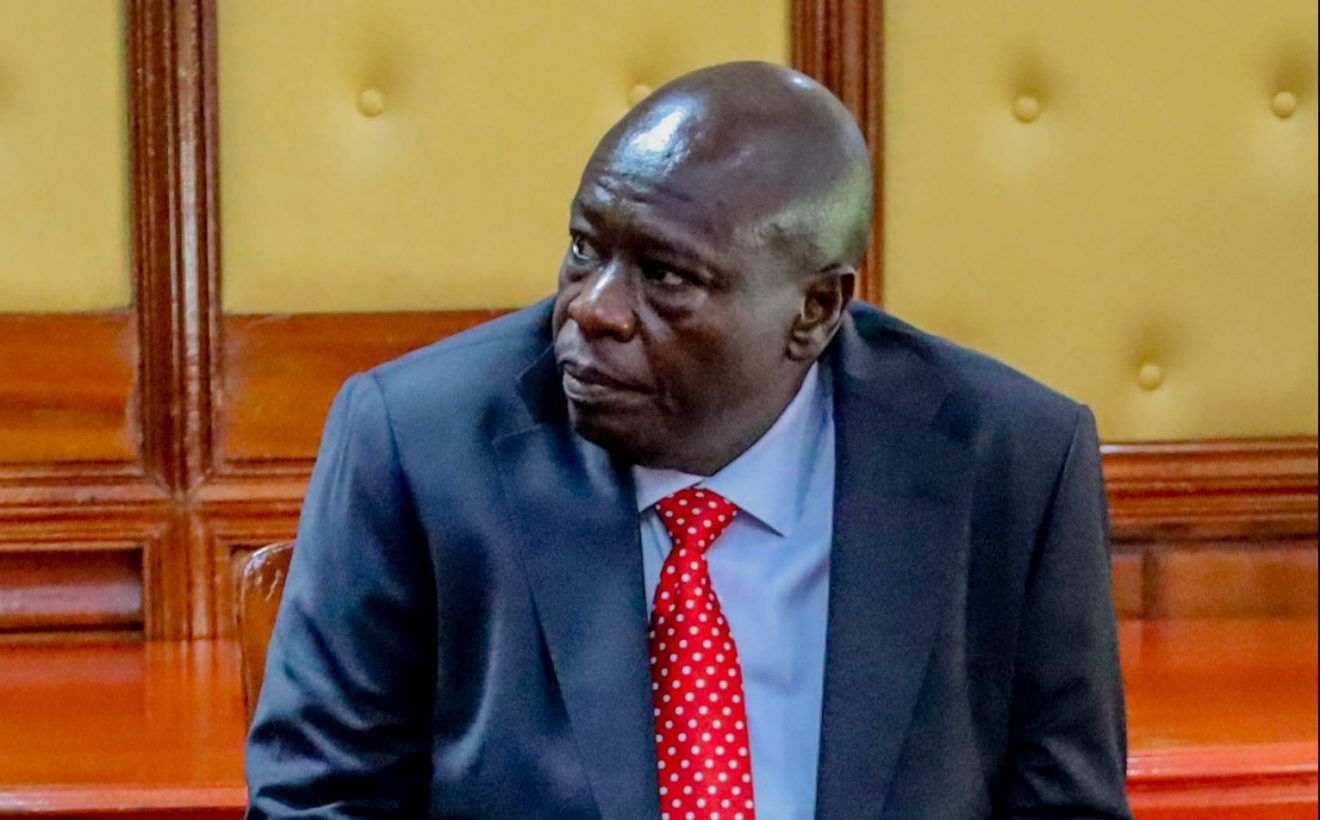
Since his impeachment, DCP party leader Rigathi Gachagua has reinvented himself as President William Ruto’s fiercest political opponent. Every week comes with fresh criticism, fiery speeches and dramatic warnings about the Kenya Kwanza administration. To his supporters, he appears fearless and uncompromising. But to seasoned observers of Kenyan politics, the anger may be serving another purpose entirely.
The louder Gachagua attacks Ruto, the more some believe negotiations are happening behind the scenes.
Recent claims by Anne Waiguru have strengthened this theory. According to Waiguru, Gachagua’s political war against Ruto is not necessarily about principle or rescuing Kenya. It is about increasing his bargaining power ahead of 2027.
And Kenyan politics has taught us that sometimes the most aggressive public attacks are designed to hide private conversations.
In fact, whenever Gachagua’s political venom reaches its highest levels, suspicion also rises that negotiations could be ongoing. The constant attacks help create the image of two men who can never reconcile, making any secret talks appear impossible. It is a classic political strategy: attack loudly in public while negotiating quietly in private.
The shift in Gachagua’s language has only added fuel to the speculation. Last year, he insisted he could never work with Ruto again and claimed he would rather retire from politics. Recently, however, his response became softer and more conditional. Instead of an absolute rejection, he carefully left room for interpretation.
That matters.
Kenyan politics is rarely about permanent enemies. It is about leverage, survival and timing. Today’s bitter rivals often become tomorrow’s allies after enough pressure and negotiation.
The real question, therefore, is whether Gachagua’s rebellion is truly a people’s revolution — or simply the public phase of a private political deal still under negotiation.
About the Author