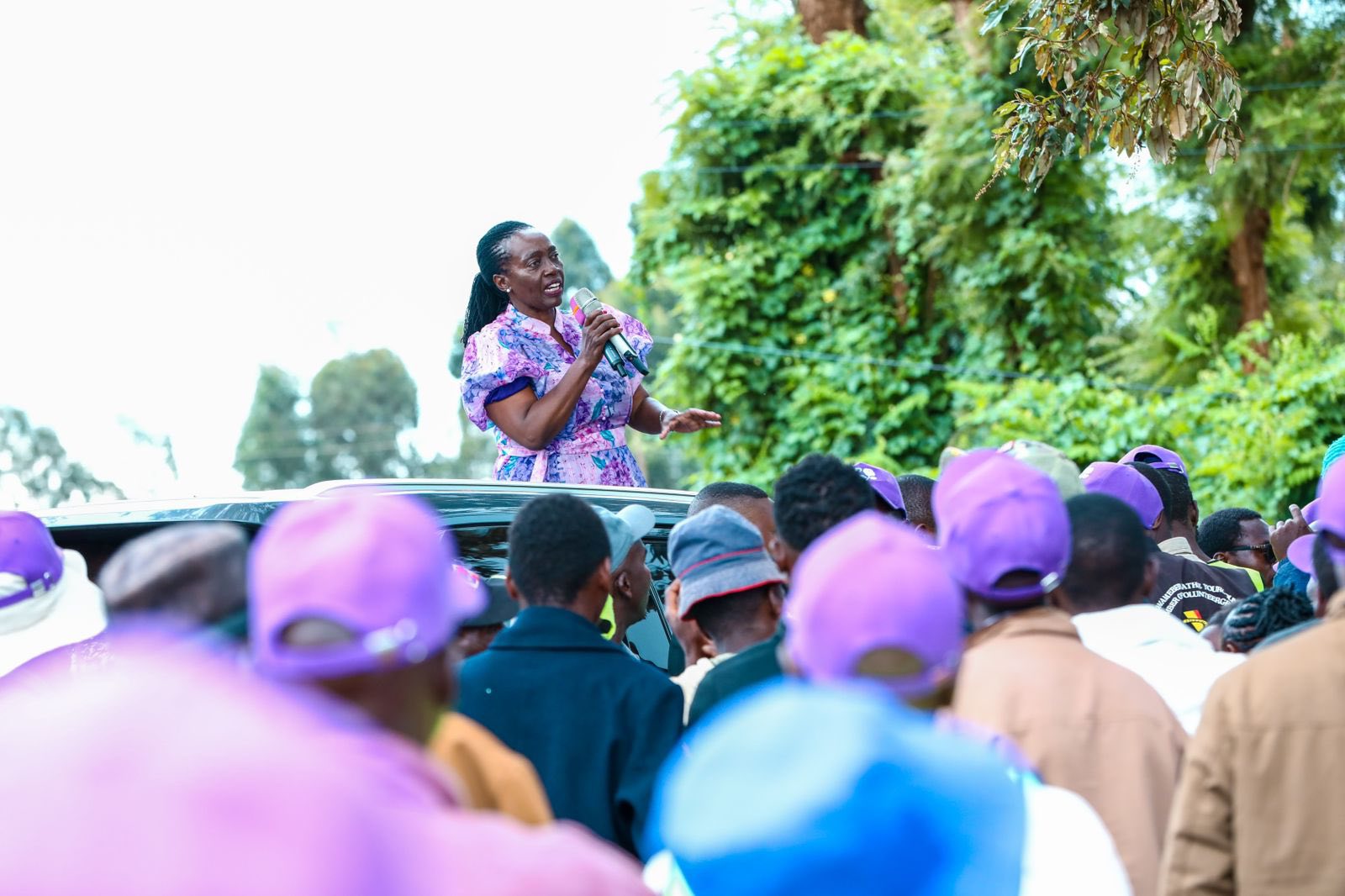
The debate sparked by Martha Karua’s recent statement reveals more than political disagreement—it exposes a deeper anxiety about leadership standards in Kenya. Her two propositions were straightforward: remove the current regime under William Ruto, and avoid replacing it with another failure disguised as change. Yet it is the second point that triggered the loudest backlash. That reaction is telling.
If the call is simply to reject failure, why would it provoke such strong emotions? The answer lies in recognition. Many supporters appear to have instinctively identified their preferred candidates within that description. It suggests that the issue is not with Karua’s words, but with the uncomfortable possibility that some alternatives may not be fundamentally different from the status quo.
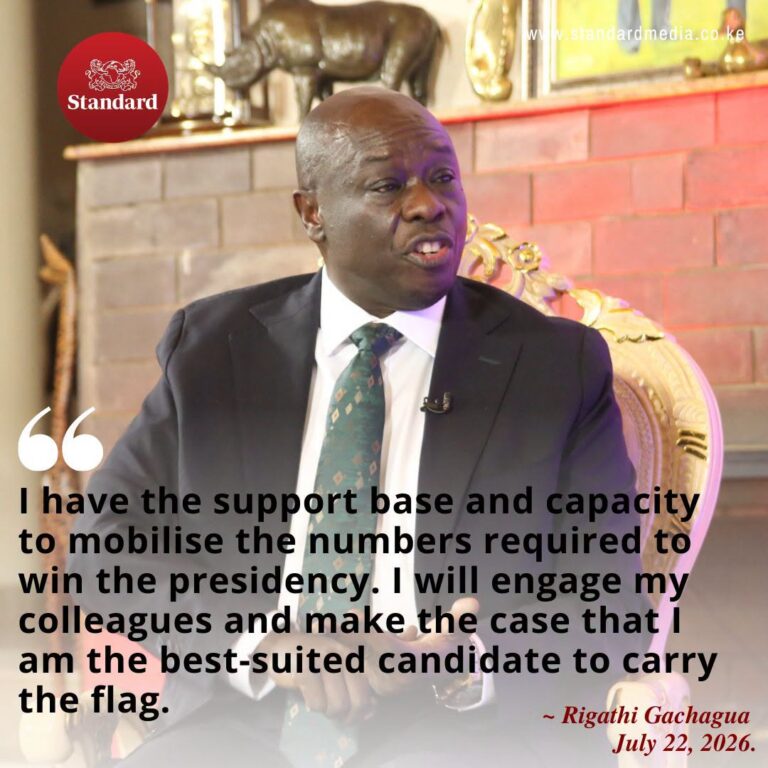
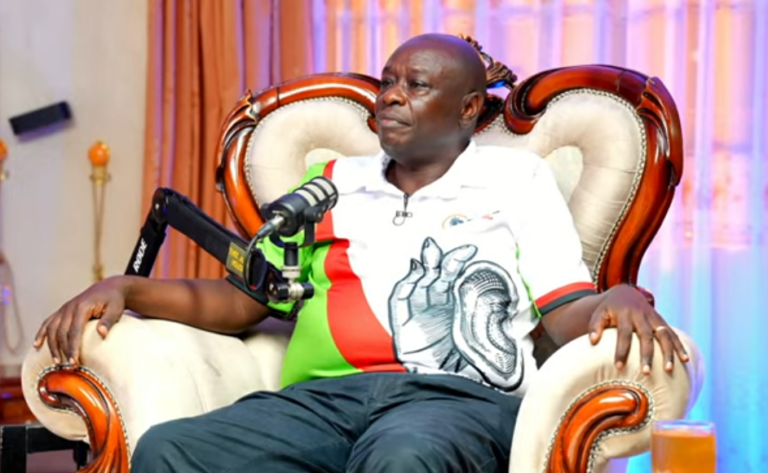
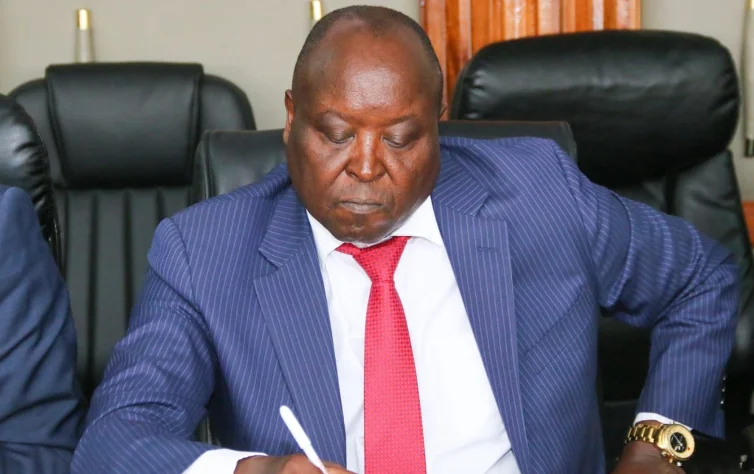
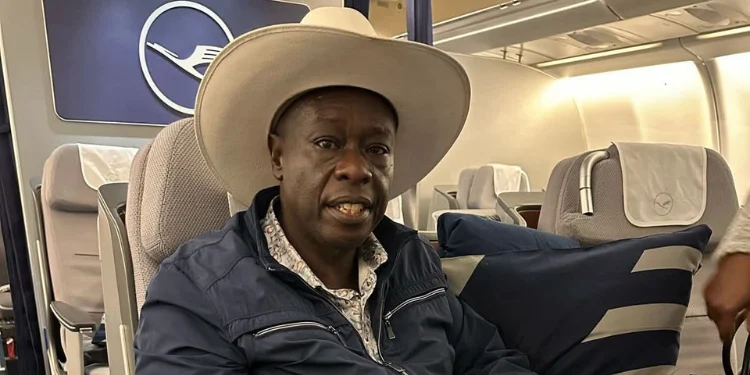
This is where Rigathi Gachagua enters the conversation. Positioning him as an alternative to Ruto raises legitimate concerns. Gachagua is not an outsider to the current administration; he is a central figure within it. His political identity, decisions, and public posture have been closely tied to the very regime critics now seek to remove. Presenting him as a solution risks recycling the same leadership style, priorities, and shortcomings under a different banner.
Karua’s caution, therefore, is not an attack on individuals but a warning against superficial change. Leadership is not about faces or rhetoric—it is about track record, independence, and the ability to break from past failures. Without that, any transition becomes cosmetic.
Kenyans must interrogate not just who opposes Ruto, but who genuinely represents a departure from his governance model. Rejecting one leader only to embrace a mirror image would not be progress; it would be a costly political illusion.
About the Author