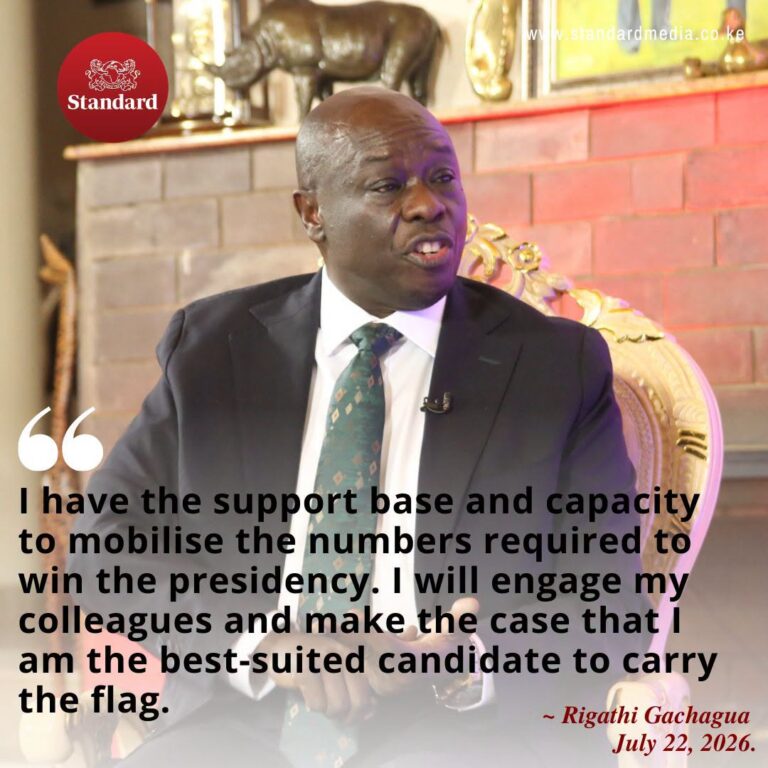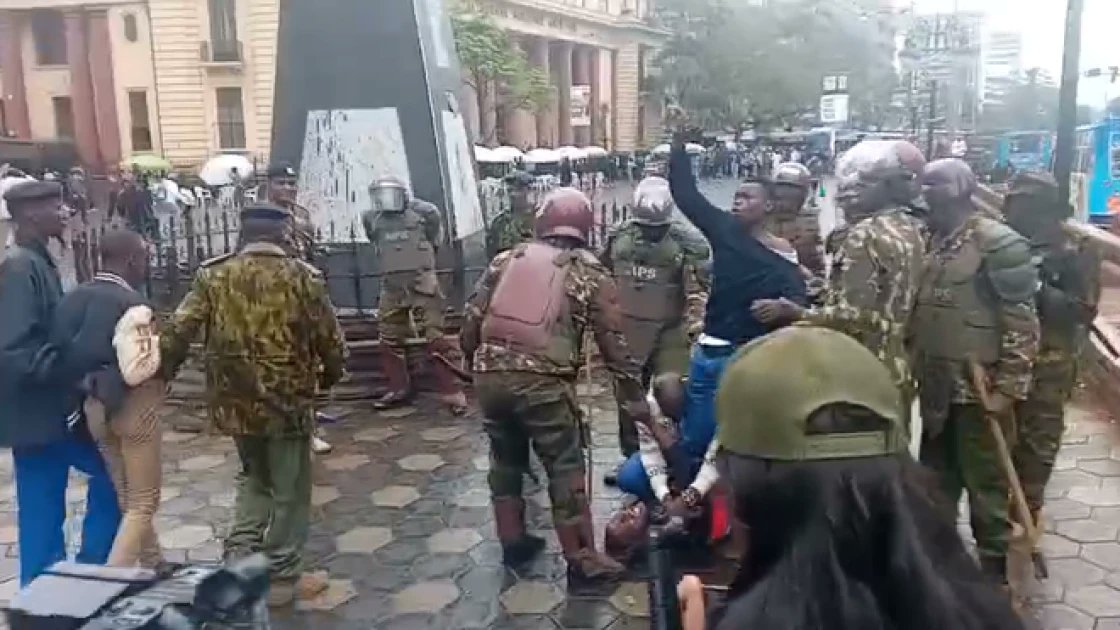
The recent call by DCP Party Leader Rigathi Gachagua urging Gen Z to take to the streets over rising fuel prices did not generate the expected public turnout. Instead, it exposed a deeper shift in how many Kenyans now view political mobilization, especially when it comes from established political figures.
For a growing number of citizens, street protests are no longer seen as automatic expressions of public anger. They are increasingly being weighed against the question of who is calling for them, and to what end. In this case, some Kenyans appeared unconvinced that the call for demonstrations was purely about immediate economic relief. Instead, there is a perception among critics that such interventions can sometimes serve broader political positioning within elite contests.
This skepticism is not occurring in a vacuum. Kenya’s recent history of protest movements has left parts of the public cautious, with some believing that popular grievances are occasionally amplified by politicians seeking relevance or leverage in negotiations with power centres, including President William Ruto and the broader governing establishment.
As a result, the absence of mass action is being interpreted by observers not simply as apathy, but as a more calculated form of public restraint. Many citizens, particularly younger voters, appear to be asking whether participation in protests meaningfully translates into policy change, or whether it risks being absorbed into political strategy games played at the top.
In this context, Gachagua is increasingly viewed by some analysts not just as an advocate for public grievances, but as a political actor navigating shifting alliances and influence structures. That perception—fair or not—has contributed to hesitation among those who might otherwise have responded to calls for demonstrations.
Ultimately, the muted response may signal an evolving political consciousness. Kenyans appear more selective about when and why they take to the streets, and more attentive to the motivations behind those who call them there.
About the Author