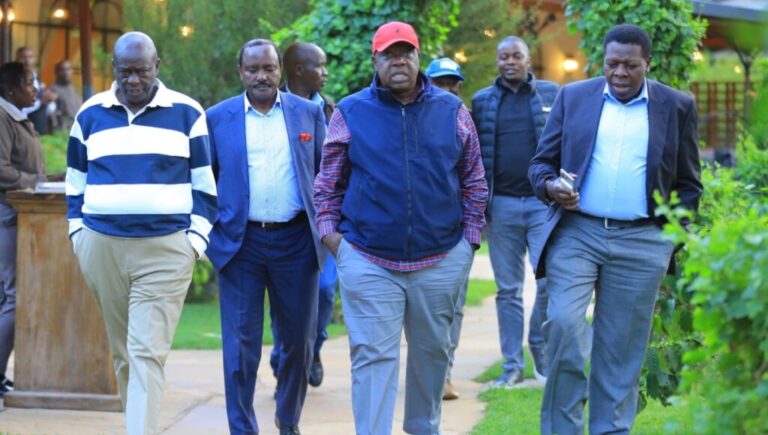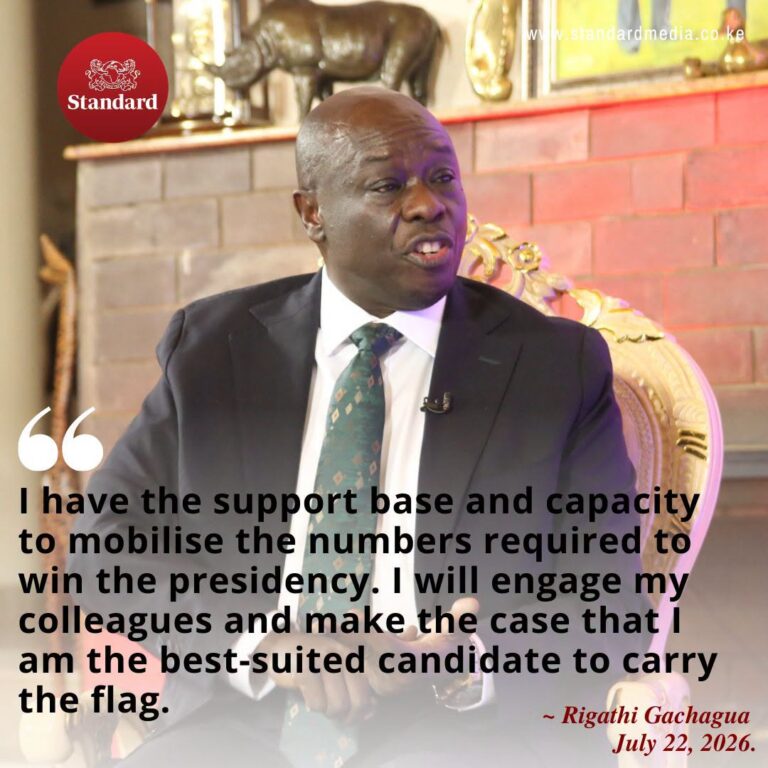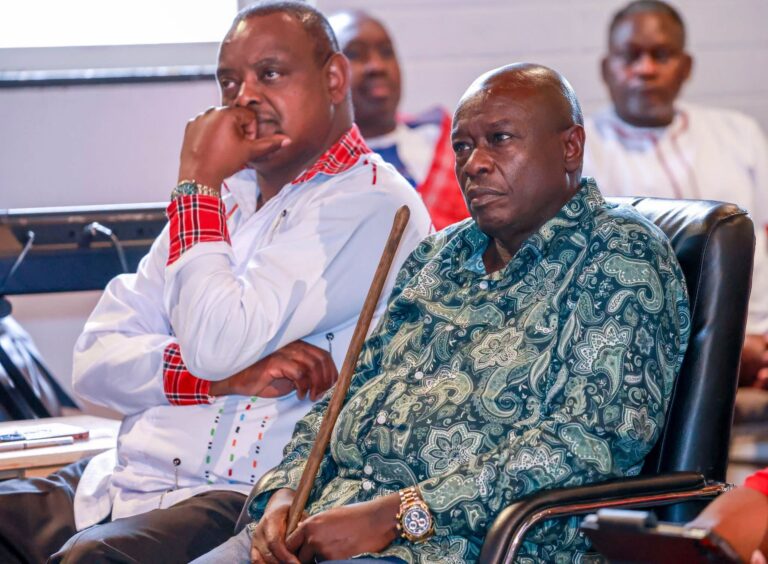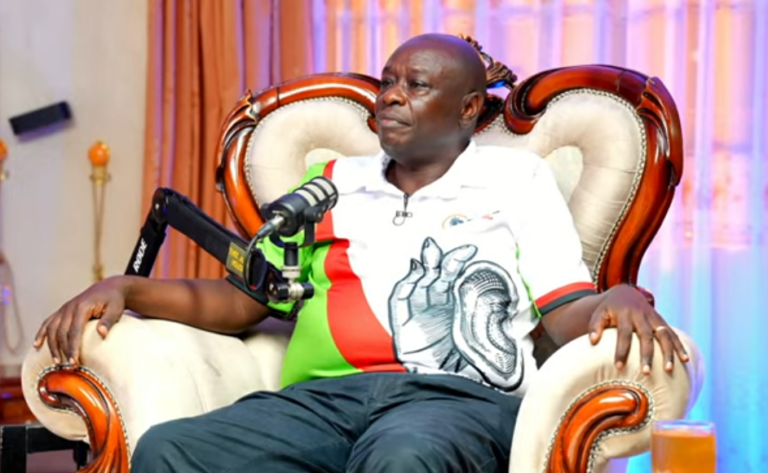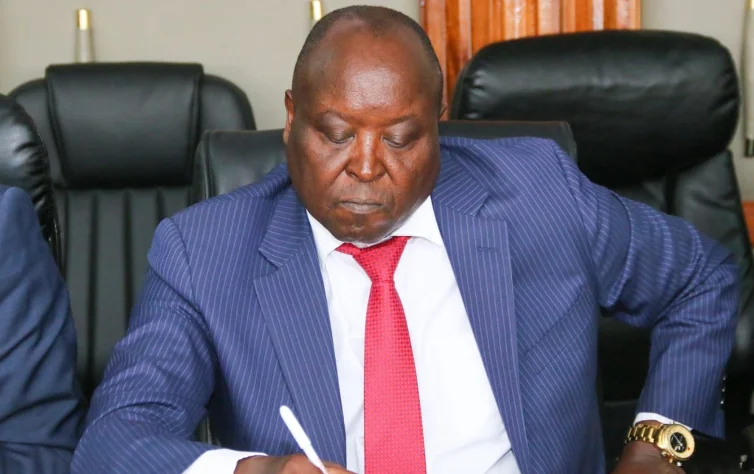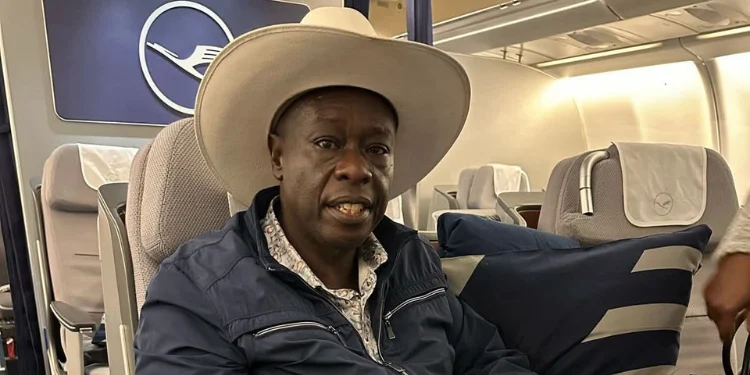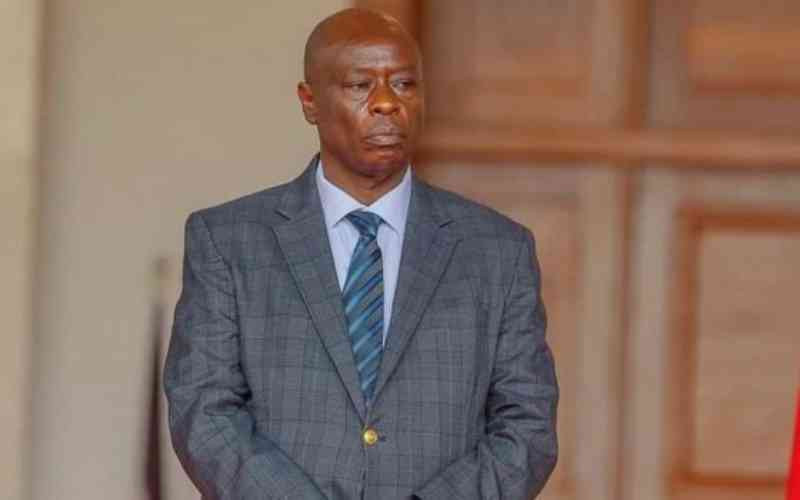
Rigathi Gachagua’s political downfall wasn’t engineered by enemies or orchestrated through some grand betrayal — it was self-inflicted. The same man who once stood proudly next to President Ruto, riding the wave of a historic win, quickly became his own worst enemy. His judgment, clouded by greed and raw ambition, led him down a path of destruction.
Gachagua’s biggest mistake was not knowing when to stop. Drunk on power and convinced of his own importance, he began undermining his boss and openly disrespecting colleagues who refused to worship at his feet. He forgot that in politics, humility is not weakness — it is strategy. Instead, he resorted to insults, threats, and tribal supremacy rhetoric. What began as subtle defiance turned into full-blown rebellion. And for what? To feed his own ego?
Many who once supported him now watch in disbelief as he burns bridges and blames everyone else for the fire he started. His narcissism has become his defining trait — obsessed with being the center of attention, unable to listen, and completely detached from the consequences of his own actions. Gachagua didn’t build unity; he built walls. He didn’t lead; he dominated. And that’s not leadership — it’s tyranny.
President Ruto made a bold but necessary move. Removing Gachagua from government may have seemed risky, but it was a clear message: Kenya cannot be held hostage by personal grudges, tribal entitlement, and power-hungry theatrics.
Let this be a lesson — not just about Gachagua, but about the dangers of putting ego before country. Kenya deserves leaders who unite, not divide. Who build, not destroy. Gachagua had a chance to rise as a statesman. Instead, he chose to fall as a warning.
About the Author