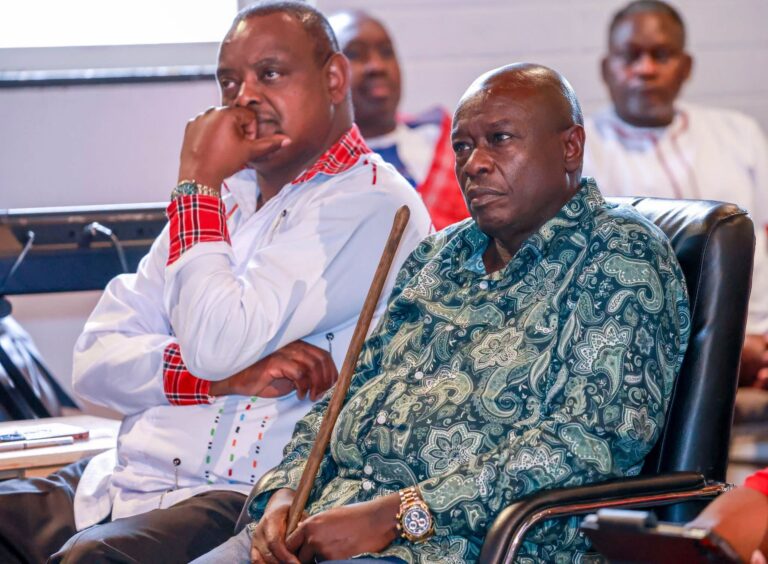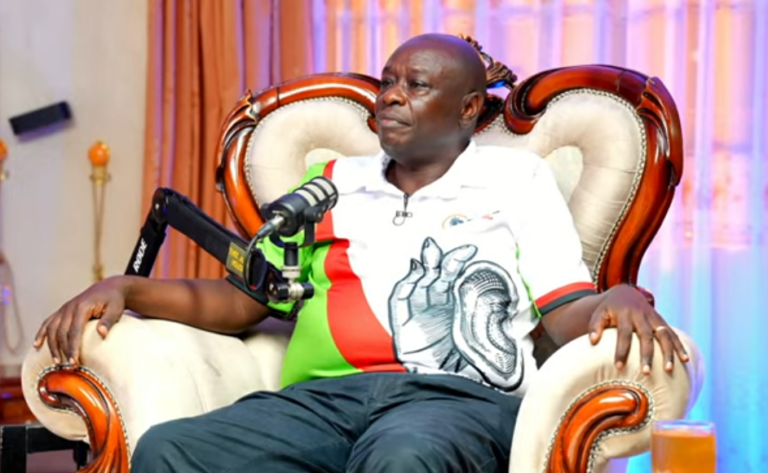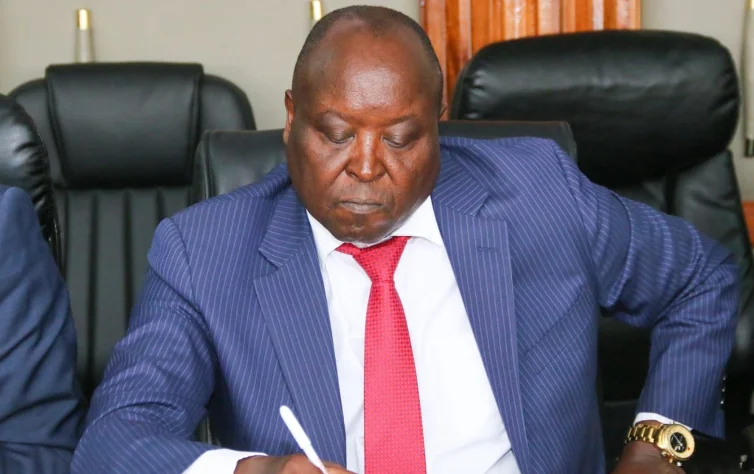
Political tensions surrounding Rigathi Gachagua continue to rise, with growing debate over whether recent public allegations against him could trigger a deeper legal reckoning. While political battles often play out in rallies and media statements, analysts warn that once claims of wrongdoing are made at the highest levels, they rarely remain purely political.
Observers note that when serious allegations are publicly declared by a sitting president, they are often backed by intelligence assessments. This places pressure on investigative agencies within the criminal justice system to act, as failure to do so could raise questions about institutional credibility. In such situations, the process may be slow, but it tends to be deliberate and difficult to stop once initiated.
Legal experts argue that the key issue will not be political rivalry, but whether there is sufficient evidence to support any claims raised. If investigative bodies find grounds to proceed, the matter shifts from public debate to formal legal scrutiny—where outcomes depend on facts, documentation, and accountability.
Gachagua’s increasingly confrontational political approach has also drawn attention. Critics suggest that sustained escalation against opponents can invite equal or greater pushback, especially in a system where state institutions hold significant investigative power. In this environment, political boldness can sometimes accelerate scrutiny rather than deflect it.
Importantly, justice systems are often described as slow-moving but persistent. Cases involving high-profile figures may take time to build, but once processes begin, they can gather momentum over months or even years.
The emerging reality is that this is no longer just a political contest. It is a potential legal crossroads. If any wrongdoing is established, consequences could be far-reaching. And if not, the process itself will still shape Gachagua’s political future—proving that in matters of justice, timing may be delayed, but accountability is rarely avoided indefinitely.
About the Author