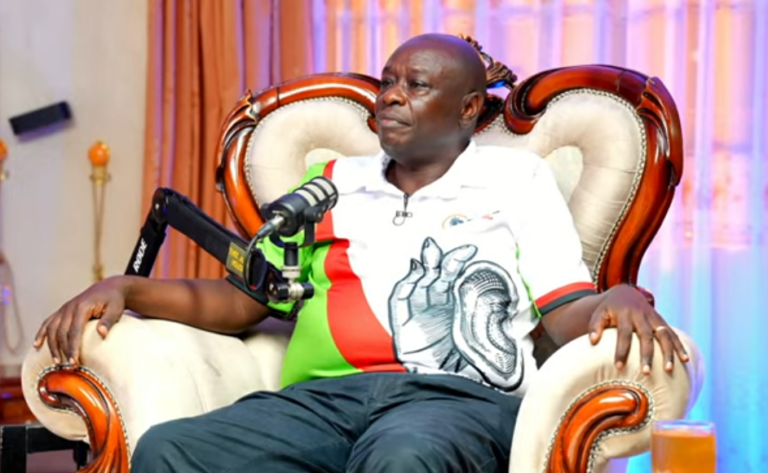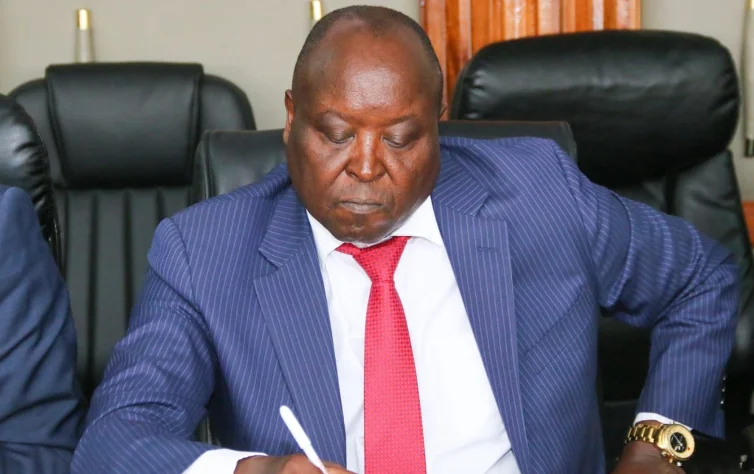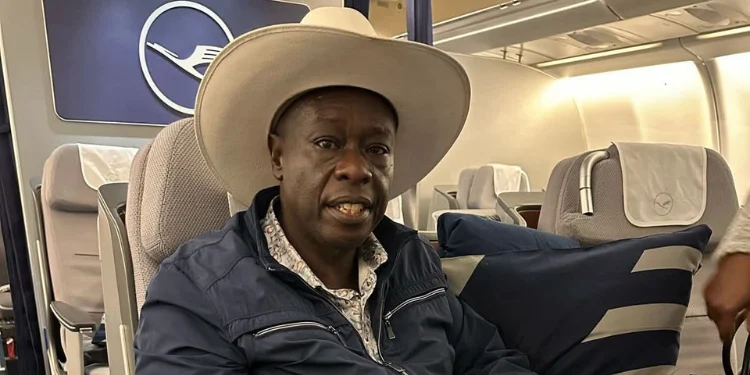
As the 2027 elections approach, many Mt Kenya voters are increasingly being drawn into a narrative that promises political redemption through defiance. The belief that voting as a bloc against William Ruto will automatically restore the region’s influence has gained traction. However, political analysts warn that this perception may be misleading—and could ultimately cost the region its leverage.
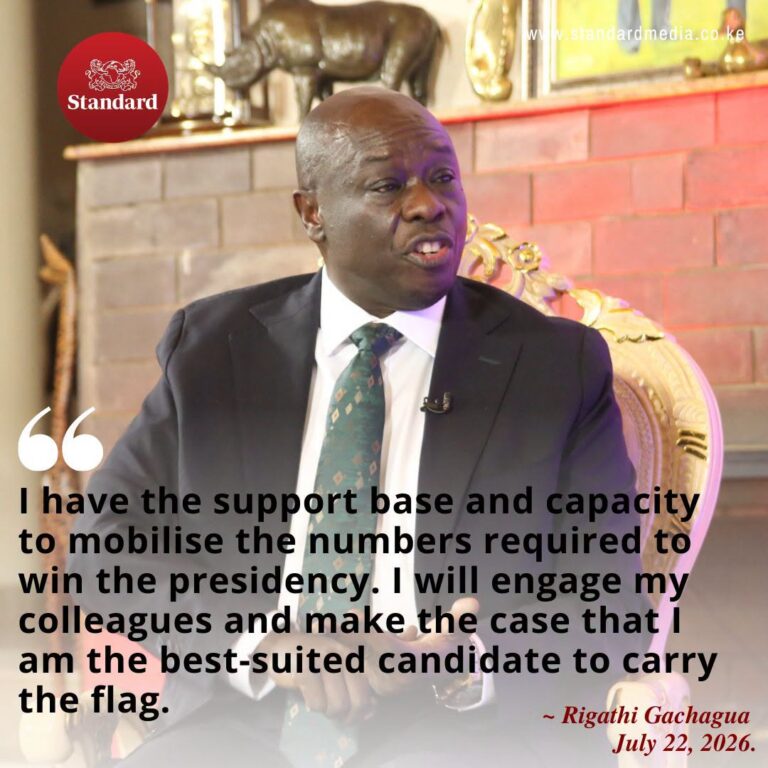
At the center of this strategy is Rigathi Gachagua, who is positioning himself as the region’s primary political voice. By mobilizing Mt Kenya voters around a shared sense of grievance, he is likely to secure a large number of elected leaders aligned to his party. On the surface, this appears to strengthen the region’s bargaining power.
But critics argue that this power may not remain in the hands of voters. Instead, it could become centralized under Gachagua’s control, with elected leaders relying on him for political survival. This effectively transforms them into a unified bloc that can be deployed strategically after the elections.
In a post-election scenario, such a bloc becomes a powerful bargaining tool. Should President Ruto secure re-election but lack sufficient parliamentary support, Gachagua’s allies could become crucial in stabilizing the government. This opens the door for political negotiations where support is exchanged for influence.
The concern, however, is that the benefits of such deals may not trickle down to ordinary voters. Key rewards—such as government appointments and access to state resources—are likely to remain within the top leadership of the Democracy for Citizens Party.
In the end, Mt Kenya risks finding itself in a position where its collective vote is used as political currency rather than a tool for direct empowerment. What begins as a protest vote could ultimately result in diminished influence, leaving voters sidelined in the very power structures they sought to reshape.
About the Author