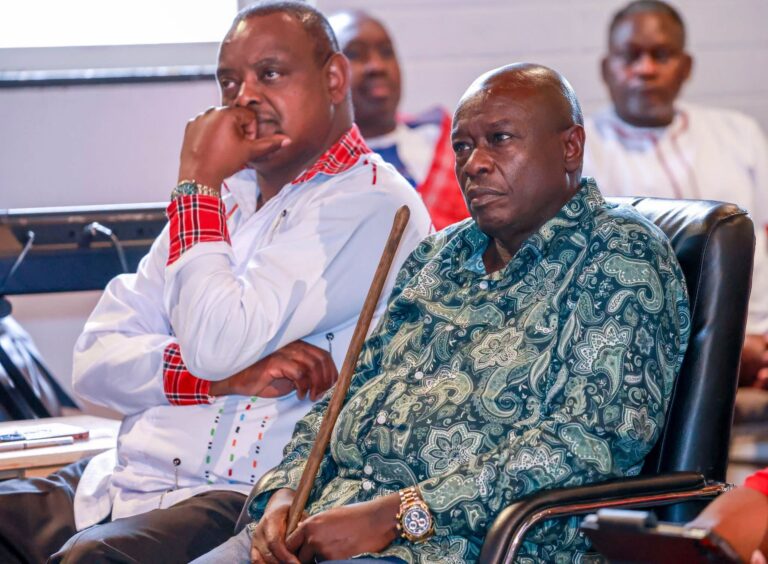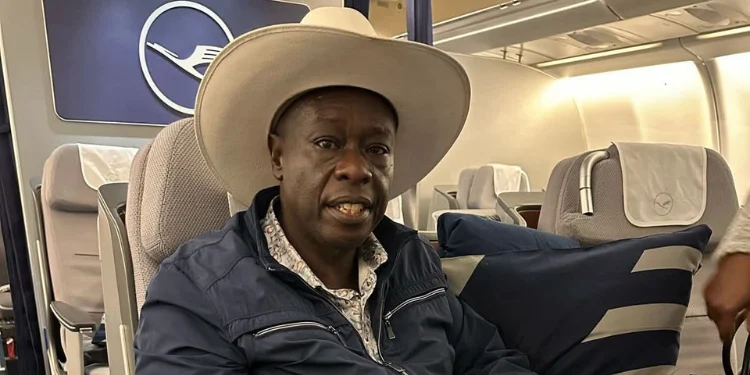
The growing turmoil inside the Democracy for Citizens Party (DCP) is exposing an uncomfortable political truth: former Deputy President Rigathi Gachagua may be attempting to lead the opposition while quietly benefiting from channels linked to the government of William Ruto.
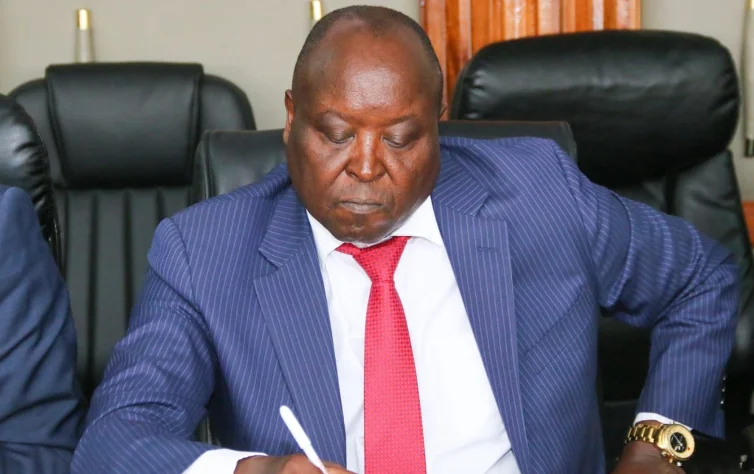
At the centre of this controversy is Cleophas Malala, the Deputy Party Leader of DCP. Because Gachagua is constitutionally barred from holding party office following his impeachment, Malala has effectively become the legal face and operational gateway of the party. That arrangement has now created a political loophole large enough for external influence to pass through.
Reports emerging from within DCP circles suggest that Malala has been quietly meeting figures close to the presidency. These engagements have raised suspicion among party insiders who believe Malala is being used as a conduit through which financial and political resources are flowing into the party from allies of President Ruto. If true, this would mean that the very government Gachagua publicly criticizes could indirectly be sustaining parts of his political machinery.
The implications are serious for anyone hoping that Gachagua would spearhead a credible opposition movement. An opposition leader must demonstrate independence from the government he seeks to challenge. Yet if funding and political coordination are being routed through Malala by individuals allied to the presidency, then the entire opposition project risks appearing compromised.
Already, tensions are surfacing inside the party. Njeri Maina has openly accused Malala of plotting to weaken DCP from within by engaging Gachagua’s Mt Kenya rivals. Such internal mistrust suggests that the party is not only vulnerable to external manipulation but also deeply fractured internally.
Meanwhile, President Ruto appears to be strategically repositioning his influence in the Mt Kenya region, especially after appointing Kithure Kindiki as Deputy President. If Malala is indeed acting as a political bridge between State House and Gachagua’s camp, then the supposed opposition could already be operating under quiet government influence.
For Kenyans seeking a genuine alternative to the current administration, the unfolding situation raises a critical question: can someone funded through government-linked channels truly lead the fight against that same government?
About the Author