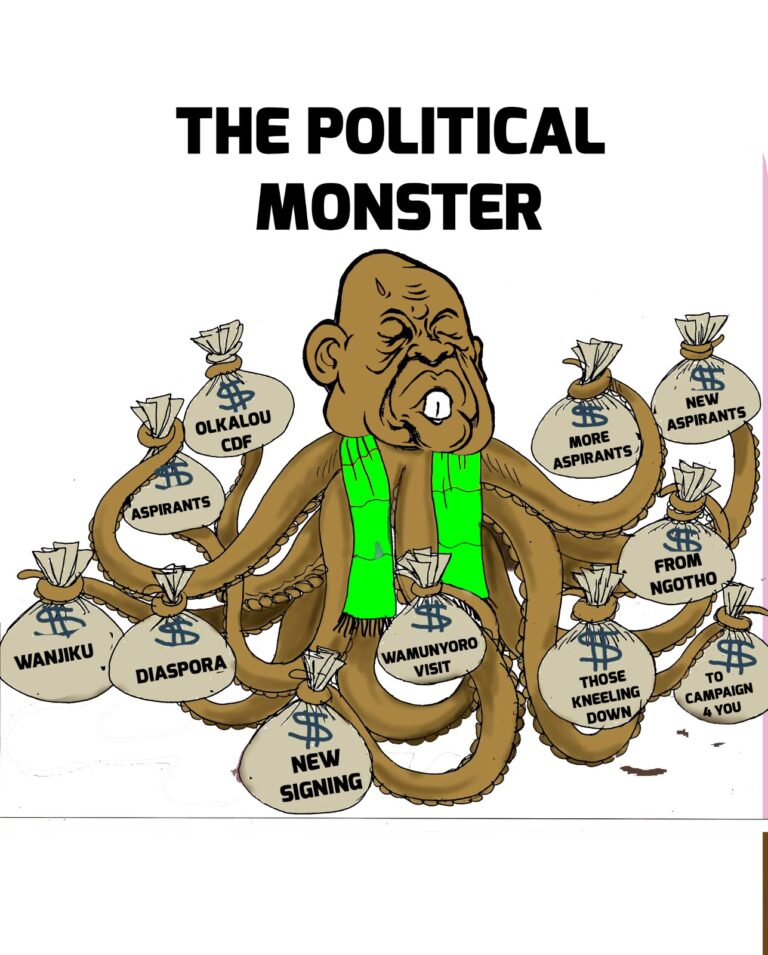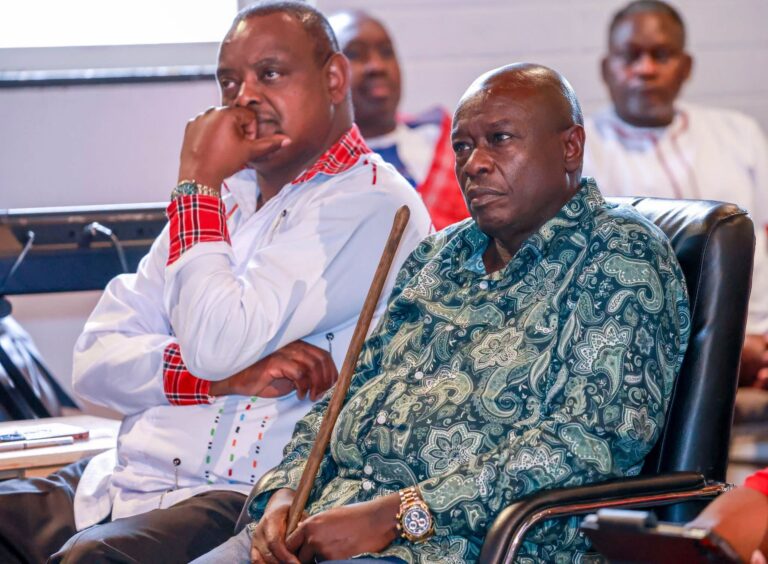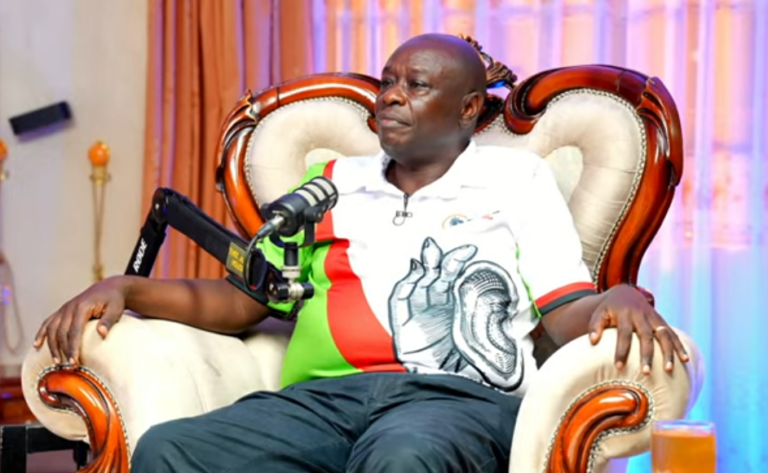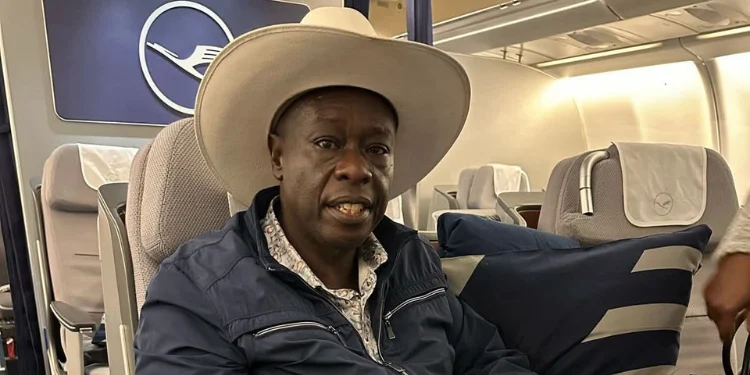
For the past several days, Kenya has witnessed something increasingly rare in its political environment — relative calm. Coincidentally or otherwise, this period has overlapped with former Deputy President Rigathi Gachagua being out of the country on an extended visit to the United Kingdom.
During President William Ruto’s recent foreign engagements, the country faced the threat of a disruptive two-day nationwide matatu strike triggered by rising fuel prices.
Yet, unlike previous moments of political tension, the government responded with restraint, urgency and coordination. Senior Cabinet Secretaries convened emergency meetings with transport stakeholders, negotiations were initiated, and the strike was suspended to allow room for dialogue. The country remained stable, businesses continued operating, and public anxiety was significantly contained.
The contrast with Gachagua’s political style is difficult to ignore. Since leaving office, the former Deputy President has increasingly fashioned himself as a combative populist whose political messaging thrives on grievance, confrontation and ethnic mobilisation. During the 2024 Gen Z protests, his remarks that demonstrators should not expect to be “kissed by police” were widely criticised as dismissive of legitimate public concerns and unnecessarily inflammatory at a time of national tension.
Each time Gachagua exits the local political scene, public discourse appears noticeably less toxic. The threats of perpetual maandamano reduce, ethnic rhetoric cools, and national attention shifts back to governance, economic recovery and the day-to-day struggles facing ordinary Kenyans.
Kenya’s opposition politics requires credibility, sobriety and issue-based engagement. What the country does not need is perpetual agitation disguised as leadership. Increasingly, many Kenyans appear convinced that the political temperatures cool considerably when Rigathi Gachagua is nowhere near the centre of the national conversation.
About the Author