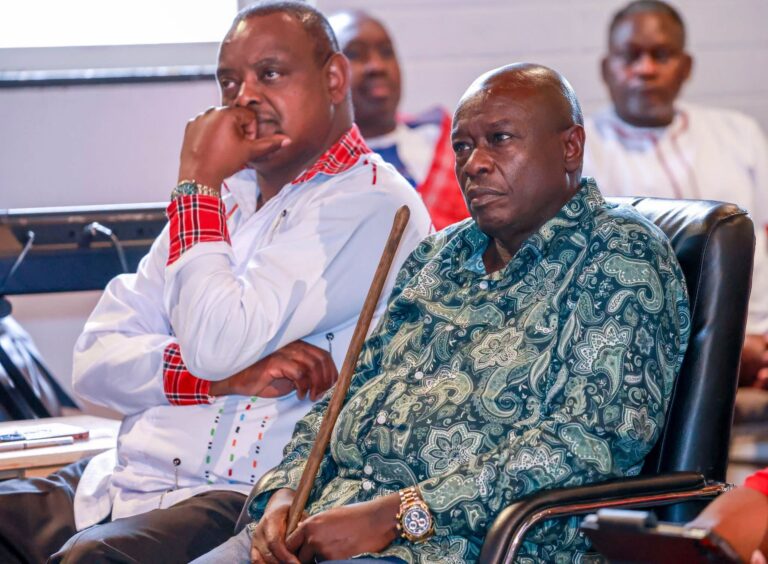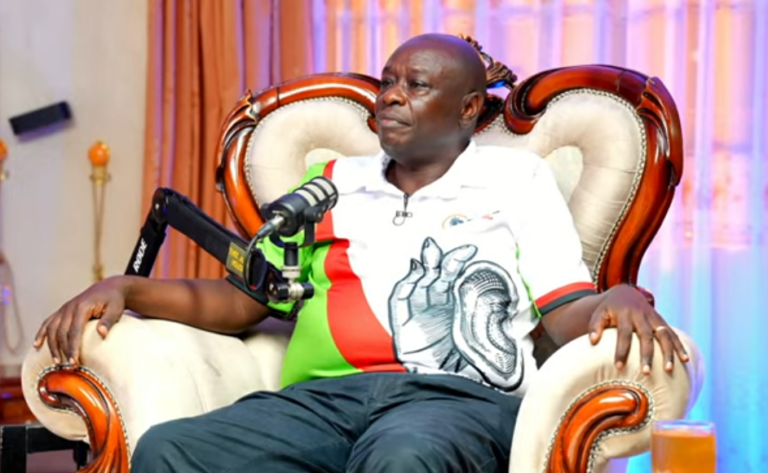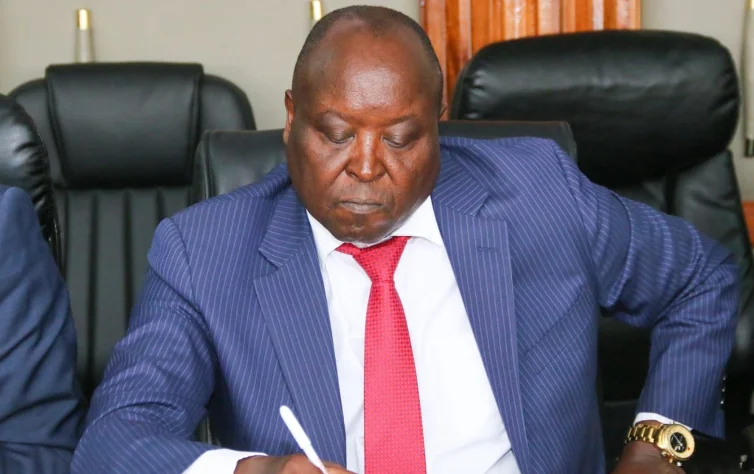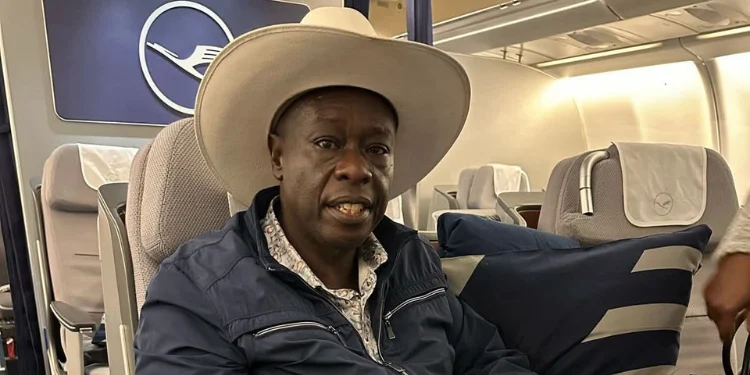
Rigathi Gachagua’s political transformation is not driven by principle. It is driven by convenience. When he was comfortably seated in government, enjoying the privileges of power, Jeremiah Kioni was out in the streets wearing a sufuria on his head, protesting against the high cost of living and the suffering of ordinary Kenyans.
At that time, Gachagua dismissed the protests as noise. He mocked opposition leaders, branded them useless, and unleashed police against demonstrators. He accused former President Uhuru Kenyatta of funding the protests out of jealousy and bitterness.
In fact, when the political temperatures rose, Gachagua and his allies oversaw one of the darkest moments in Kenya’s recent politics — the invasion of Northlands Farm, a property associated with Uhuru Kenyatta. At the height of his power, Gachagua believed the opposition deserved suppression, not listening.
Then the tables turned. Gachagua was pushed out of government and suddenly discovered the language of opposition politics. He found Kioni exactly where he had left him — fighting the same government, speaking about the same economic pain, and resisting the same policies. But instead of humility, Gachagua brought arrogance into the opposition.
Today, he attacks Kioni as a mole, accuses him of working with President William Ruto, and claims the National Intelligence Service is using him to divide the opposition. It is political hypocrisy at its finest. A man who once defended the system with fury now wants to present himself as the chief victim of the same system.
Kenyans should not confuse bitterness for leadership. Gachagua’s politics have consistently revolved around himself — power when he has it, victimhood when he loses it. That is not courage. That is opportunism.
About the Author