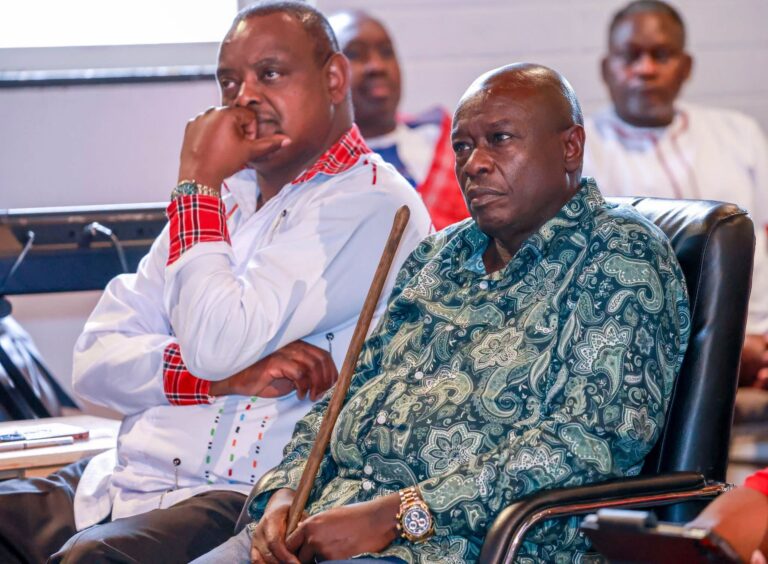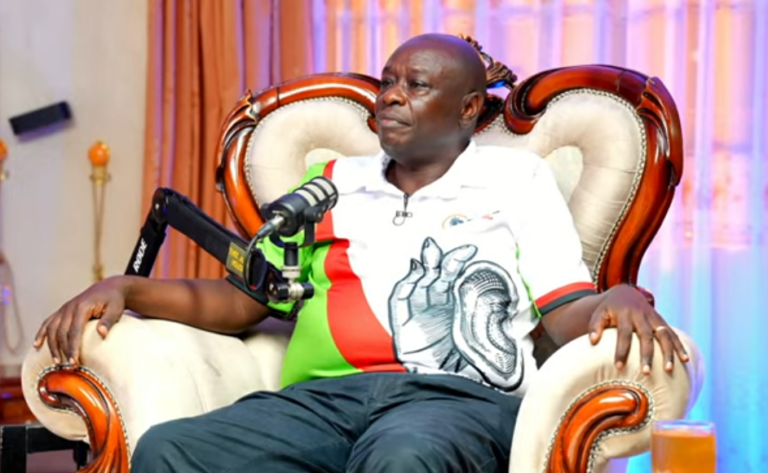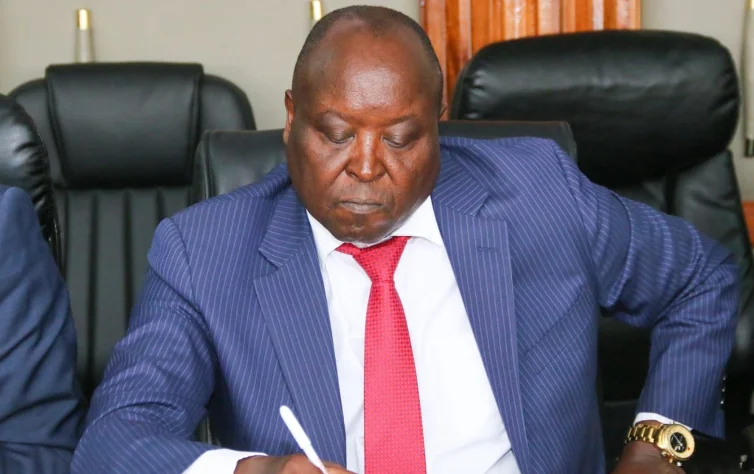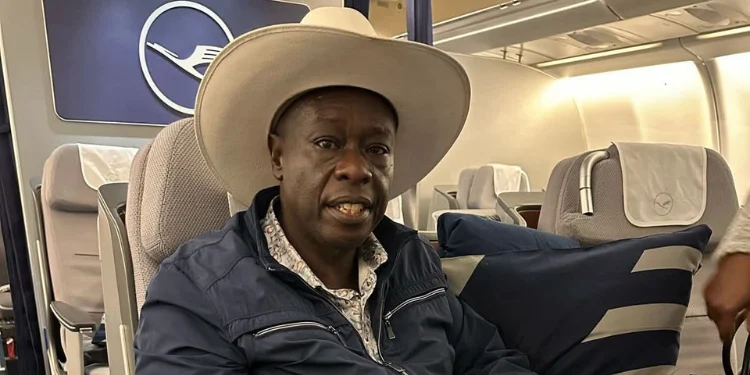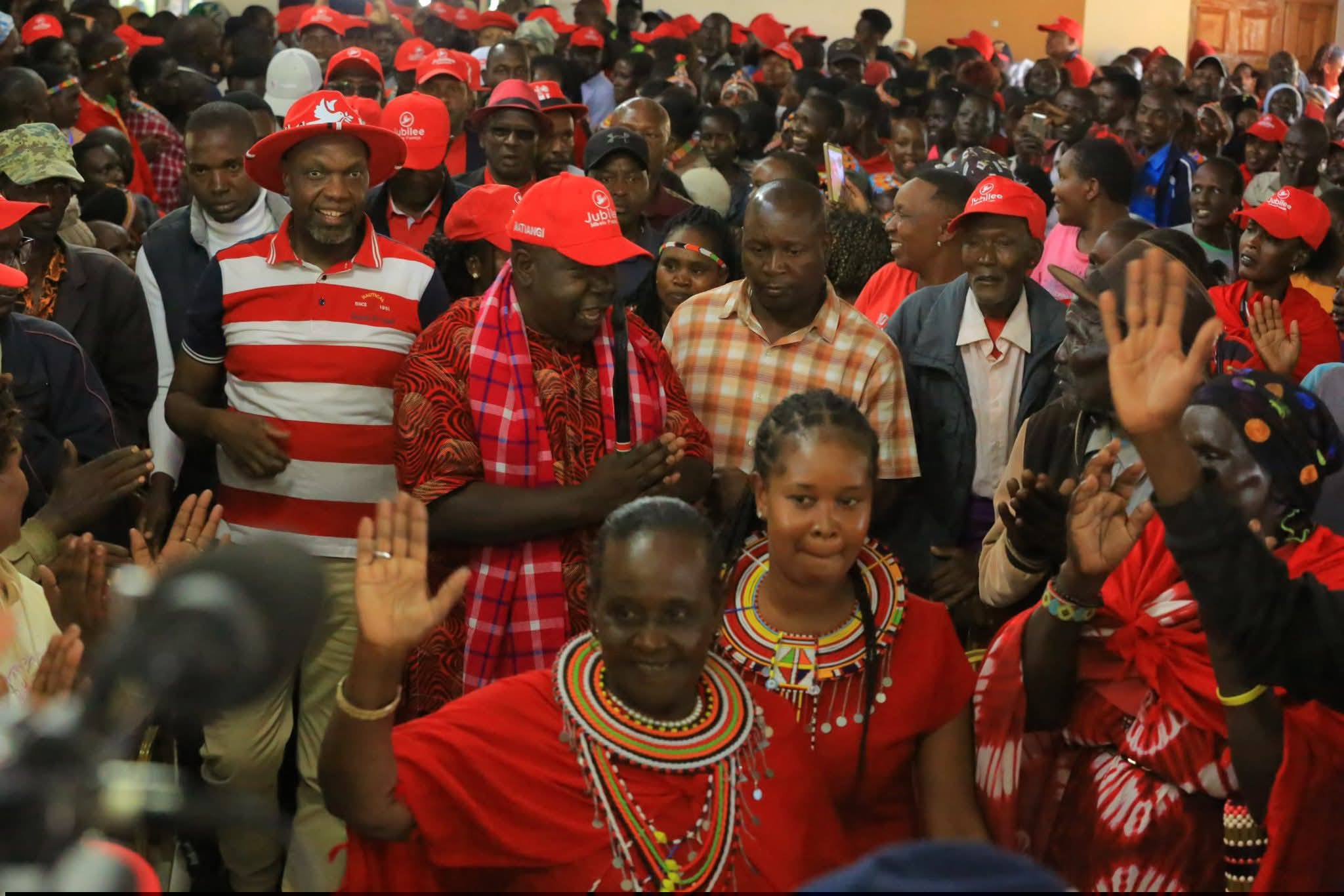
If politics is about timing and territory, then Rigathi Gachagua is playing a ruthless game in Mt Kenya. Barely a year after his dramatic impeachment, the former Deputy President has re-emerged with a singular mission: dominate the region’s political architecture — and do so even if it means hollowing out Jubilee from within the United Opposition.
The latest evidence came in Nyandarua. At what should have been a routine church engagement, Fred Matiang’i — Jubilee’s deputy leader and a man touted as a 2027 presidential contender — endorsed a candidate closely aligned to Gachagua’s Democratic Congress Party (DCP). Standing awkwardly nearby was Jubilee’s own aspirant. The symbolism was brutal. Jubilee supporters saw not unity, but surrender.
This is not accidental. It is strategy.
Gachagua understands grassroots mobilisation and regional identity politics better than most of his peers. In 2022, Jubilee’s dominance in Mt Kenya crumbled as the region swung behind UDA. After his 2024 impeachment — over allegations he has consistently denied — Gachagua pivoted swiftly, constructing DCP as his new political fortress. Now, opposition rallies increasingly reflect that shift: DCP voices amplified, Jubilee figures relegated to the margins.
Former Nyeri Town MP Ngunjiri Wambugu has openly warned that Jubilee aspirants are being edged out under the guise of coalition politics. His argument is blunt: partnerships cannot thrive where one party dictates terms and others merely clap.
The broader opposition — including Kalonzo Musyoka, Martha Karua and Eugene Wamalwa — promises a united 2027 front. But unity without equity is illusion.
If Jubilee cannot assert itself, it risks political extinction. And if the opposition allows one man’s regional supremacy project to override collective strategy, it may discover too late that it has replaced one dominance with another.
About the Author