As Kenya continues to grapple with rising fuel prices and economic pressure, the situation demands calm leadership, honest dialogue, and national unity. It is therefore concerning when political discourse around such a sensitive issue risks being shaped by emotion, confrontation, or divisive rhetoric rather than solutions.
The fuel crisis facing the country is not a simple political issue. It is the result of global oil market instability, long-term debt accumulation, fiscal constraints, and structural economic challenges. Any serious response requires cooperation between leaders, policymakers, and citizens—not statements that may inflame tensions or encourage confrontation in the streets.
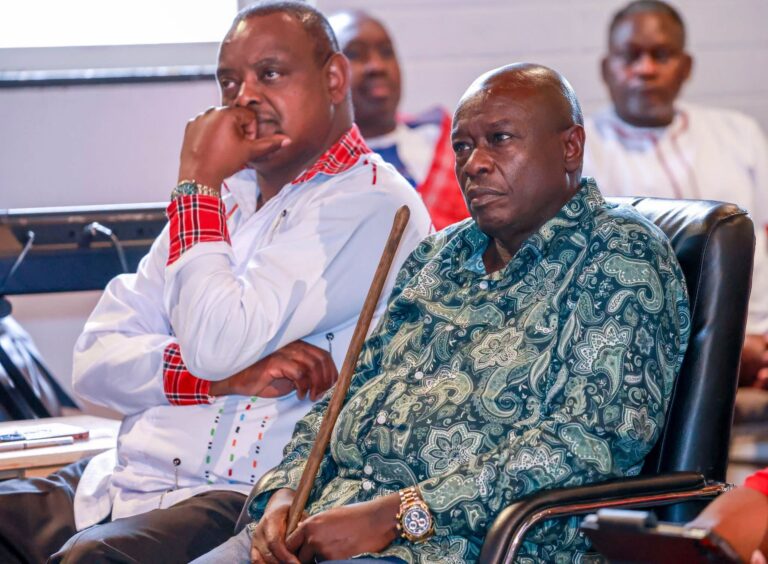
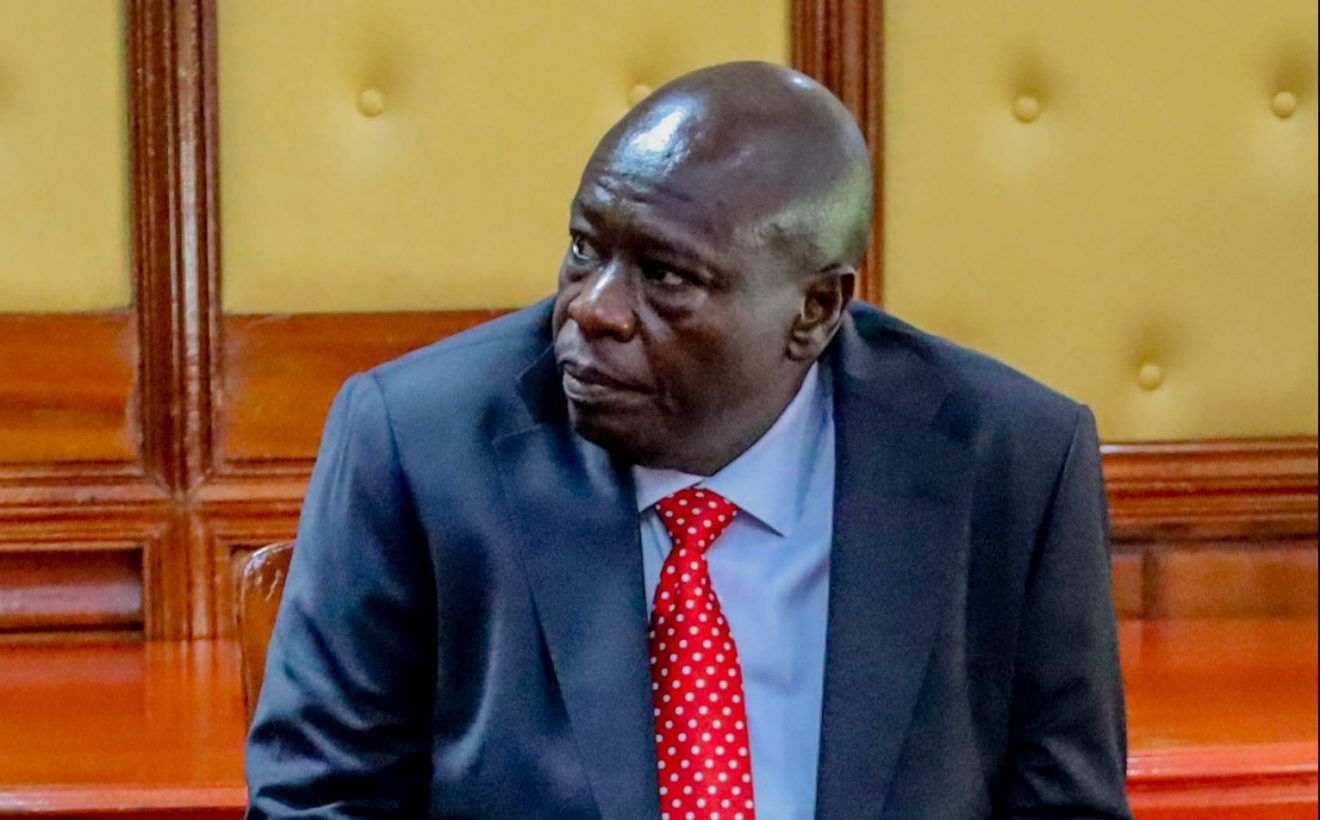
It is in this context that political leaders, including Rigathi Gachagua, must exercise caution when addressing the public on matters that directly affect the economy and national stability. Public communication on such issues carries weight and responsibility. When leaders speak, their words can either calm a tense situation or unintentionally escalate it.
Kenya has experienced in the past how quickly demonstrations can escalate into destruction of property, disruption of livelihoods, and loss of investor confidence. The country can ill afford a repeat of such outcomes at a time when households are already struggling with high living costs. Businesses are still recovering from previous economic shocks, and any instability risks worsening unemployment and poverty levels.
This is why all leaders—regardless of political affiliation—must avoid framing the fuel crisis in ways that could encourage confrontation or division. The focus should instead be on policy alternatives, parliamentary engagement, and structured dialogue on how to ease the burden on citizens without destabilizing the economy further.
It is also important to recognize that Kenya’s economic challenges require long-term solutions, not short-term political pressure tactics. Whether it is debt restructuring, subsidy adjustments, or energy reforms, these issues must be handled within institutions designed for economic governance, not through politically charged messaging.
At this critical moment, Kenya needs leadership that prioritizes stability over spectacle. Political competition should not come at the expense of national cohesion. Leaders have a responsibility to ensure that their public statements contribute to calm, not chaos.
Ultimately, the country will only overcome its fuel and economic challenges through unity, patience, and responsible leadership from all sides of the political divide.
About the Author