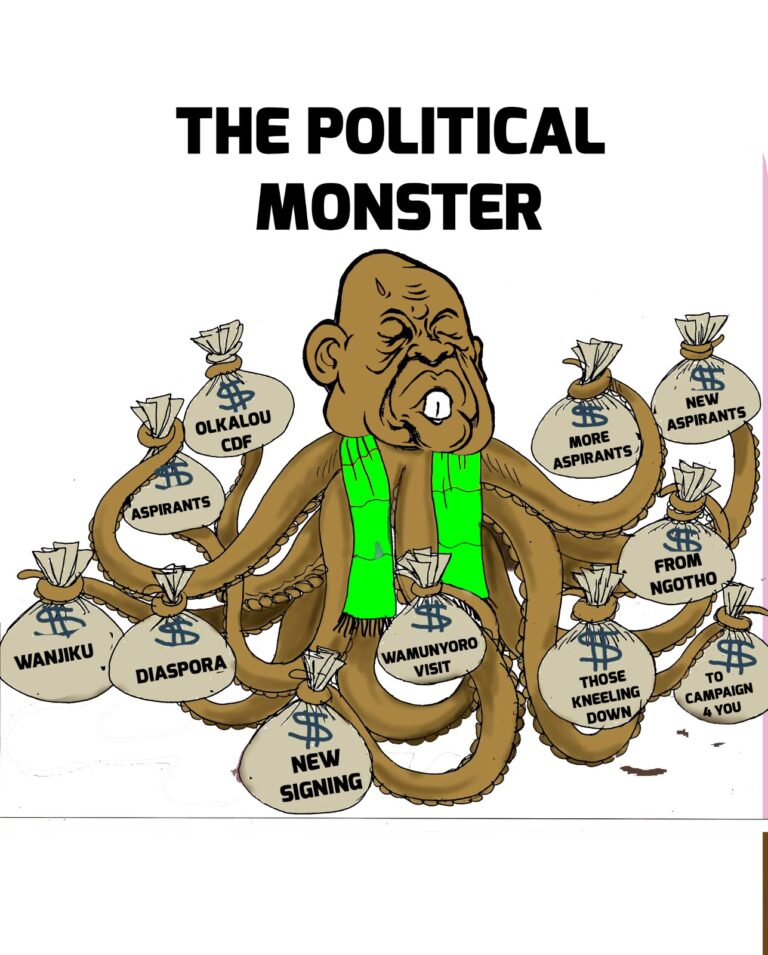
Mt Kenya has always thrived when guided by calm calculation, strategic thinking, economic focus, and unity of purpose. As the region heads toward the 2027 elections, one reality is becoming increasingly clear: the community is unlikely to entrust its political future to a leader consumed by anger, bitterness, and revenge politics.
Politics in Mt Kenya has traditionally been driven by interests, not emotions. The region votes with an eye on business, economic opportunity, stability, development, and access to government. Its people are known for carefully weighing political choices based on what benefits farmers, traders, professionals, and the youth. A leadership anchored on personal anger risks clouding judgment and dragging the region into unnecessary political battles that do not improve livelihoods.
An angry leader often sees every political decision through the lens of settling scores. That is dangerous for a region that prides itself on pragmatism. Elections should be about jobs, markets, debt management, agriculture, infrastructure, education, and opportunities for young people—not endless political wars fueled by personal grievances.
Mt Kenya also understands the danger of emotional politics leading to poor leadership choices. When politics becomes centered around revenge, communities can end up electing weak, inexperienced, or populist leaders simply to satisfy one individual’s political agenda. The result is the rise of “tugeges” — leaders who lack vision, competence, and the ability to negotiate effectively for the region at the national table.
The region cannot afford to lose its political edge because of temporary emotions. Mt Kenya’s strength has always been its numbers, economic influence, and bargaining power. To preserve that influence, the community needs leaders who can build alliances across Kenya rather than isolate themselves through anger and confrontation.
Kenyan politics rewards negotiation, strategy, patience, and coalition building. A leader permanently fighting everyone eventually weakens not only himself but also the people who follow him. Mt Kenya voters know this reality very well.
Most importantly, the younger generation in the region is increasingly issue-oriented. They want conversations about the cost of living, business opportunities, technology, education, and economic empowerment. They are less interested in political vendettas rooted in past betrayals.
As 2027 approaches, Mt Kenya is likely to choose sobriety over rage, strategy over bitterness, and development-focused leadership over politics driven by anger and revenge.
About the Author