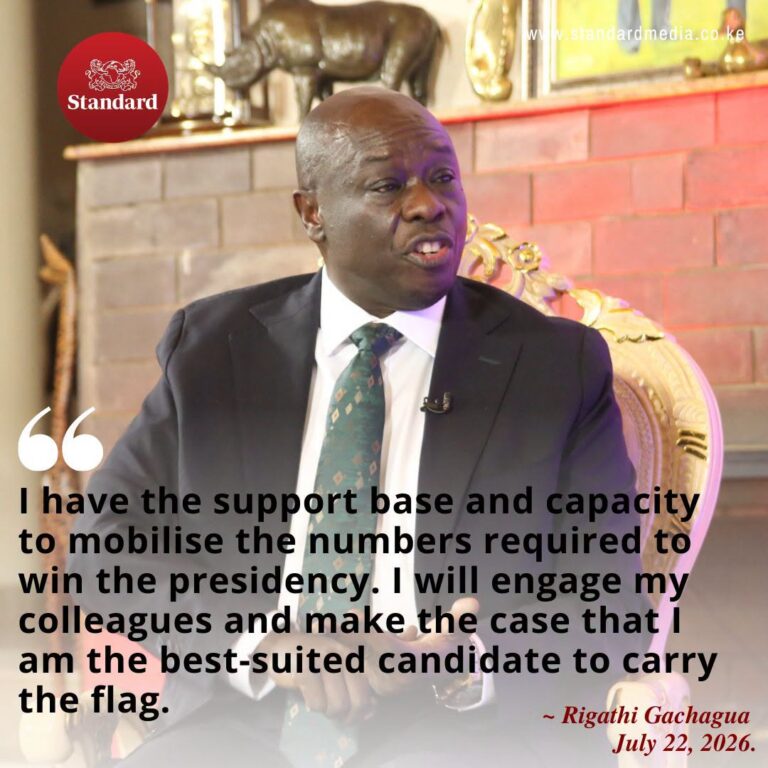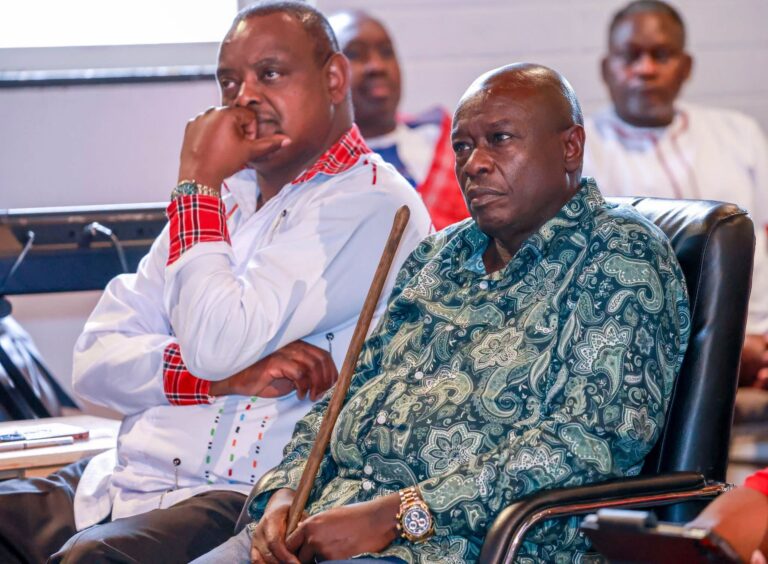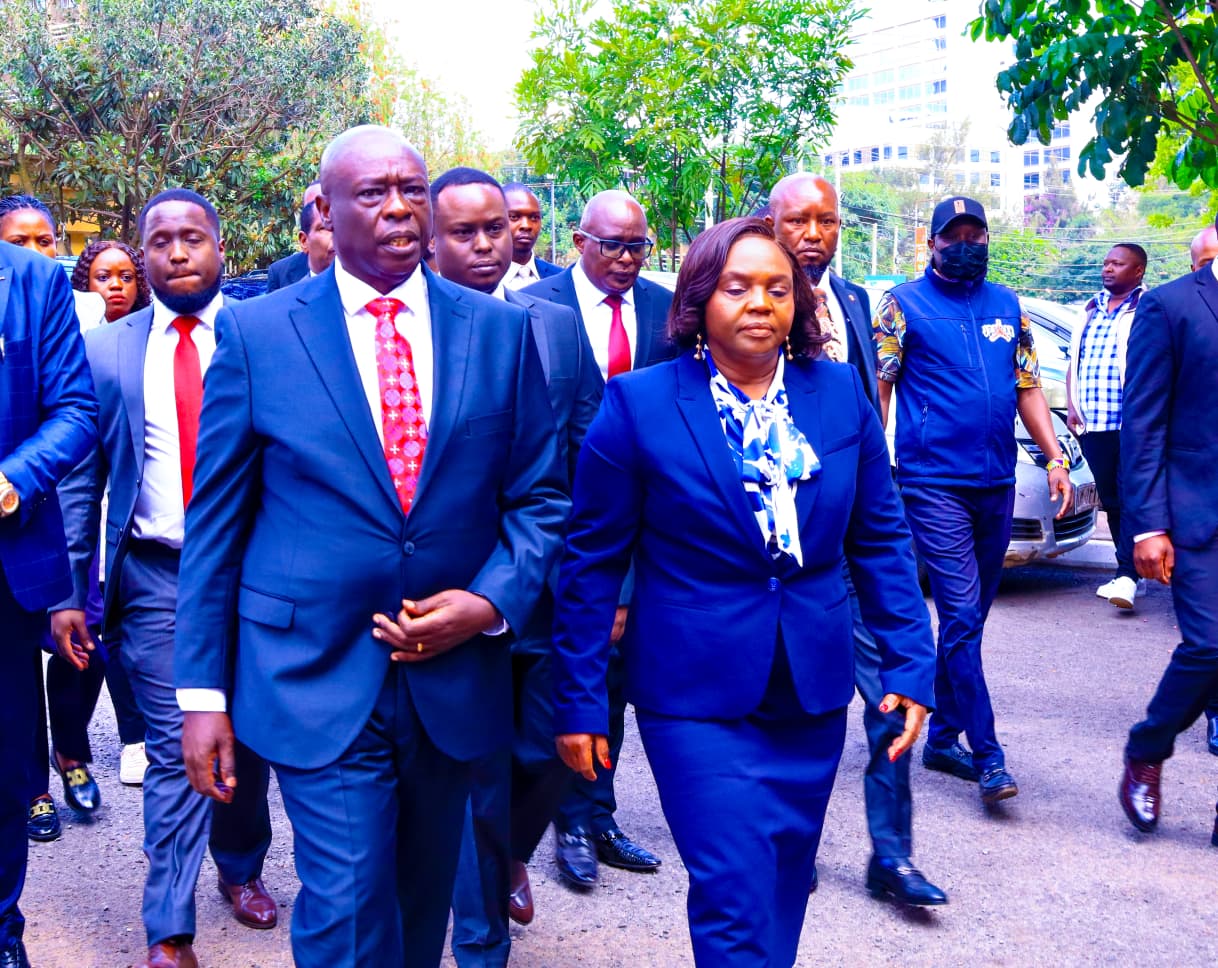
The image of Rigathi Gachagua arriving in court flanked by his wife, children, and close political allies was telling. It was not just a show of solidarity—it was a clear signal of what matters most when the stakes are personal. In this case, the stakes are financial, with Gachagua demanding Kshs. 450 million from the state following his impeachment.
Yet this carefully assembled inner circle stands in sharp contrast to how political battles are often fought in public. When it comes to demonstrations, political pressure, and “fighting for Kenyans,” the faces that appear are rarely family members or close associates. Instead, it is ordinary citizens—the so-called “hustlers,” boda boda riders, and small traders—who are called upon to fill the streets, carry placards, and bear the risks.
This contrast exposes a troubling pattern. When the issue is personal—money, position, or reputation—the response is controlled, strategic, and kept within trusted circles. But when the issue is framed as a broader political struggle, the burden is shifted to the public. The same citizens who are urged to “fight for change” are noticeably absent when the fight becomes about private financial claims.
It raises a fundamental question about sincerity. If the struggle is truly about justice and fairness, why is the approach so different depending on who benefits? Why are ordinary Kenyans mobilized for political theatre, yet excluded from moments that reveal the true priorities behind the scenes?
Gachagua’s current legal push risks reinforcing the perception that public support is often a tool rather than a principle. The people are rallied when numbers are needed, but sidelined when the rewards are personal. In the end, leadership is measured not just by words spoken in rallies, but by consistency in action—and on that front, the contrast is hard to ignore.
About the Author