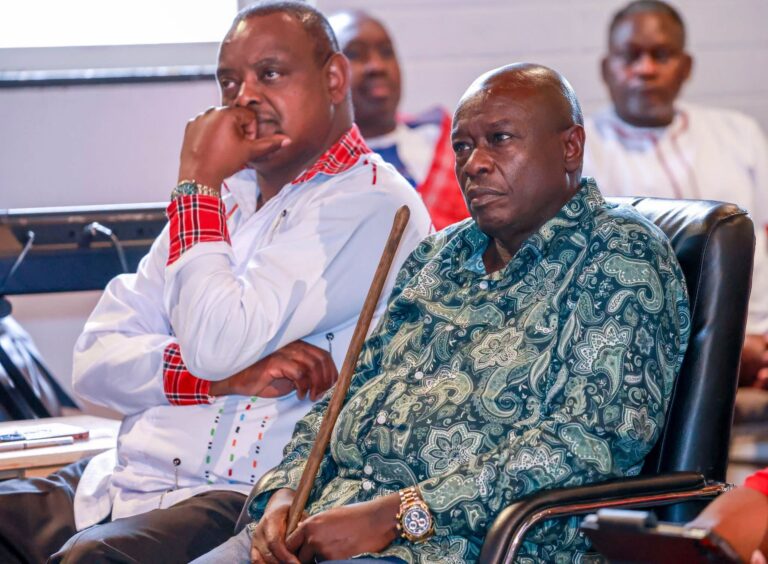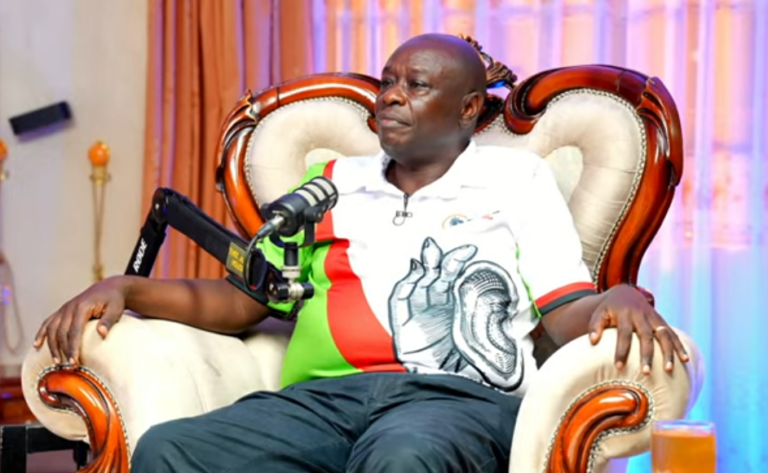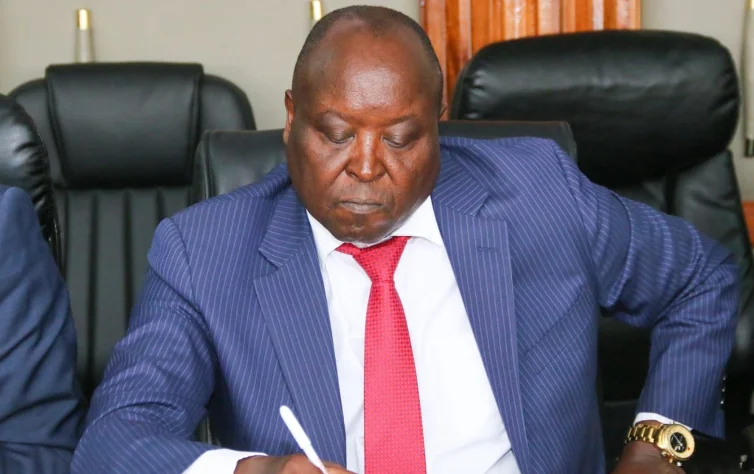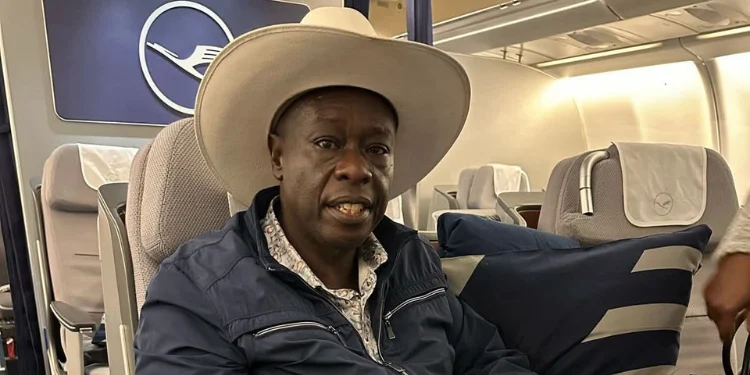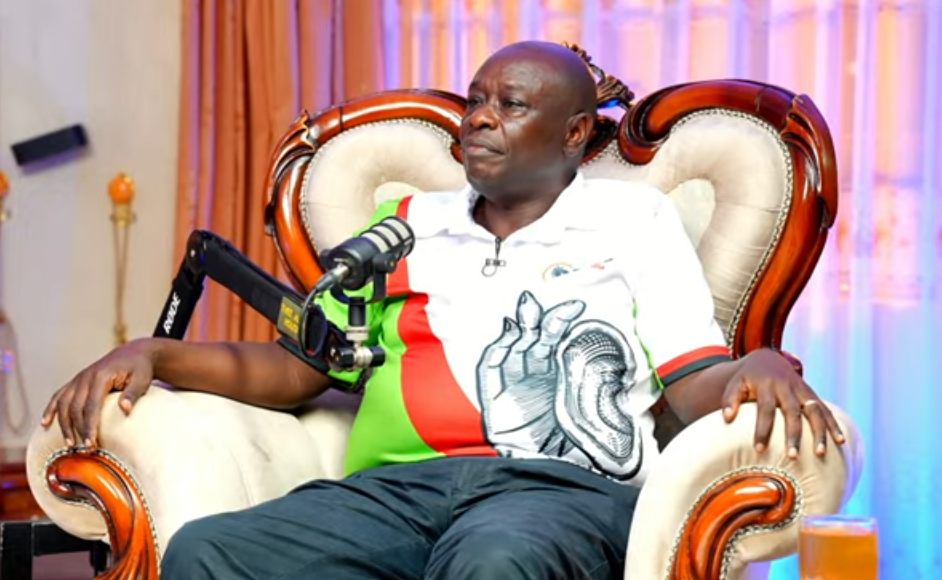
The political positioning of Rigathi Gachagua continues to draw scrutiny, particularly as he appears to maintain a foot in two political spaces—remaining officially within the United Democratic Alliance while simultaneously being seen as the driving force behind the Democracy for the Citizens Party.
At the center of this balancing act is his ongoing court challenge against his impeachment. Gachagua argues that he was removed from office unprocedurally, and that claim is still awaiting a conclusive judicial determination. In that context, his continued formal association with UDA is not accidental. It helps sustain the legal foundation of his case—that he was unlawfully removed while serving within that party’s political framework.
A formal resignation from UDA or full transition into DCP would complicate that argument. It could be interpreted as acceptance of the impeachment outcome, thereby weakening his position in court. In legal terms, such a move risks the case being viewed as overtaken by events, raising the question of whether the dispute still requires resolution if he has already moved on politically.
At the same time, his visible involvement with DCP serves a different purpose. It allows him to remain politically relevant, organize support, and build an alternative platform without formally undermining his legal claims. This creates a dual reality: officially anchored in UDA for legal consistency, yet politically active within DCP to maintain influence.
This approach, while strategic, also highlights the tension between law and politics. Until the courts render a final decision on his impeachment, Gachagua’s position will likely remain in this grey area—officially one thing, but politically another.
About the Author