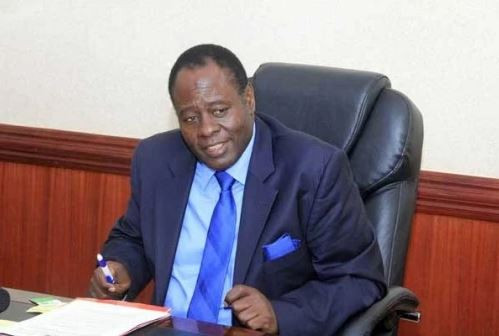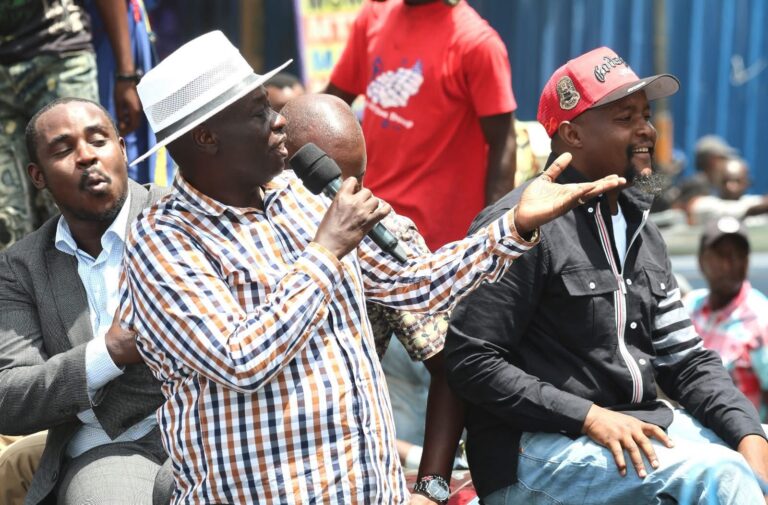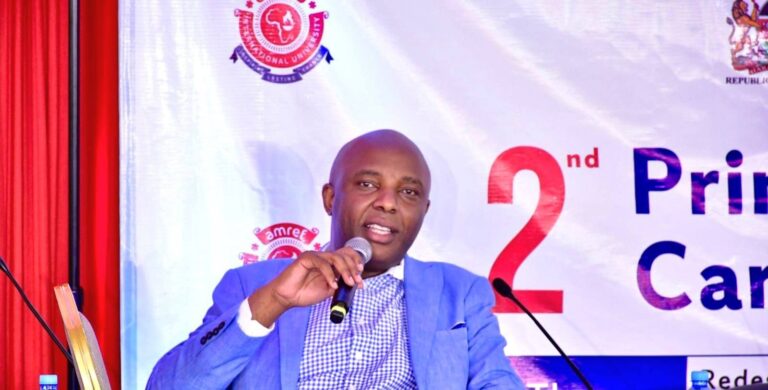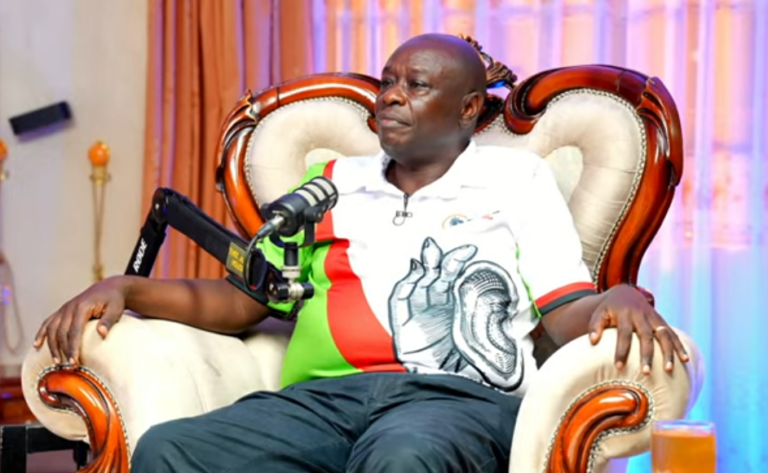
A new wave of controversy has engulfed the estate of the late Nyeri Governor Nderitu Gachagua, reigniting public debate over the authenticity and fairness of the will that distributed his assets. The dispute, which pits members of the Gachagua family against the former deputy president Rigathi Gachagua, has drawn national attention and prompted calls for presidential intervention.
According to Rigathi Gachagua, the will left behind by his late brother allocated several prime properties—including valuable urban real estate and hospitality businesses—to him rather than to Nderitu’s widow and children. This revelation has sparked outrage among sections of the public, who question how a father could prioritize a sibling over his direct heirs in the distribution of his estate.
The late governor’s family has formally petitioned President William Ruto to intervene, alleging fraud, forgery, and unlawful interference in the management of the estate. In a letter dated March 23, the family urged the Head of State to order investigations into what they describe as a deliberate scheme to disinherit the rightful beneficiaries.
Family members claim that the disputed will was prepared while Nderitu Gachagua was critically ill, raising doubts about his capacity to make such decisions. They argue that the distribution outlined in the document contradicts both cultural norms and common inheritance practices, which typically prioritize a deceased’s spouse and children.
The controversy deepens around several high-value properties that reportedly changed ownership under unclear circumstances. Among them are hospitality ventures and city real estate holdings that, according to the family, were transferred without transparency. These developments have fueled speculation about possible manipulation of the estate’s documentation and processes.
Supporters of Rigathi Gachagua, however, insist that he acted lawfully and in full compliance with the will’s provisions. They maintain that inheritance decisions are deeply personal and can vary depending on the deceased’s wishes, regardless of public perception or cultural expectations.
President Ruto confirmed last week that he had received the family’s letter and acknowledged the sensitivity of the matter. The case now sits at the intersection of law, politics, and family dynamics—raising broader questions about transparency, ethics, and the handling of estates involving high-profile public figures.
As investigations loom, the Gachagua family saga continues to expose the fragile balance between kinship, power, and property in Kenya’s political elite, with the public watching closely for clarity and justice in the unfolding dispute.