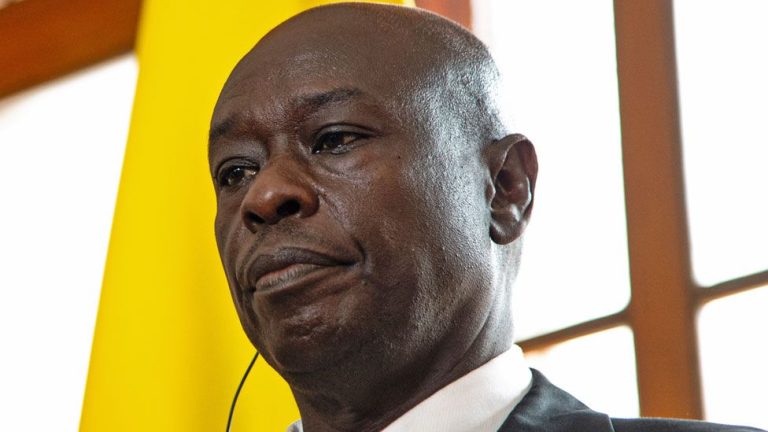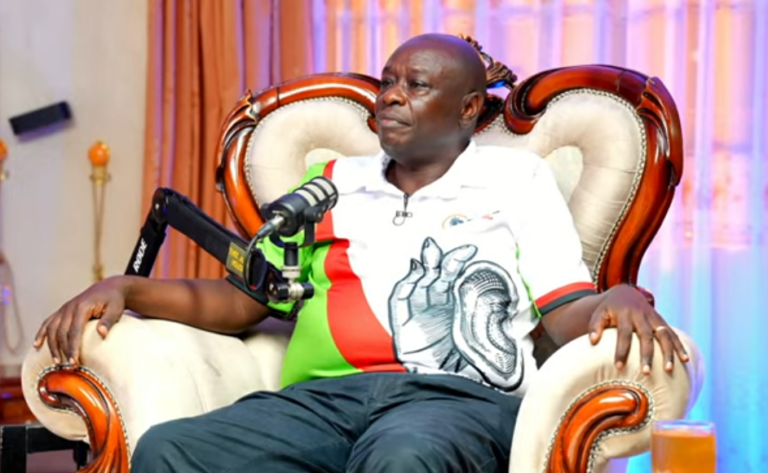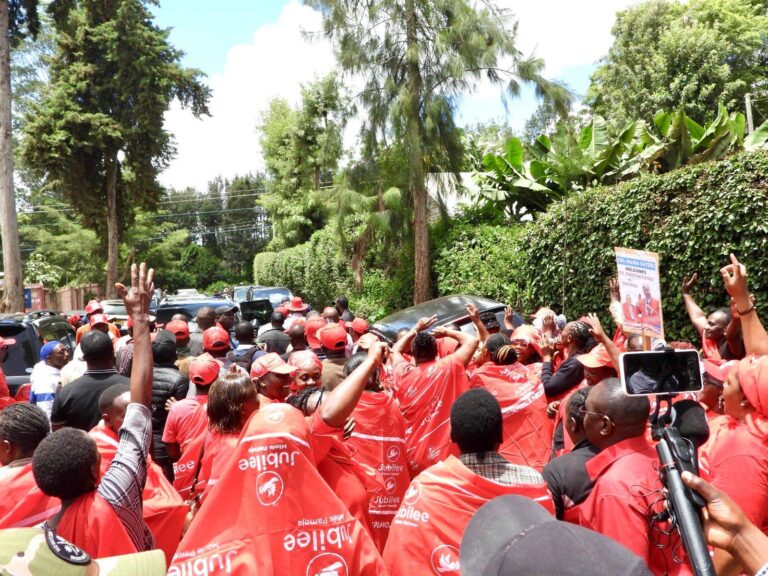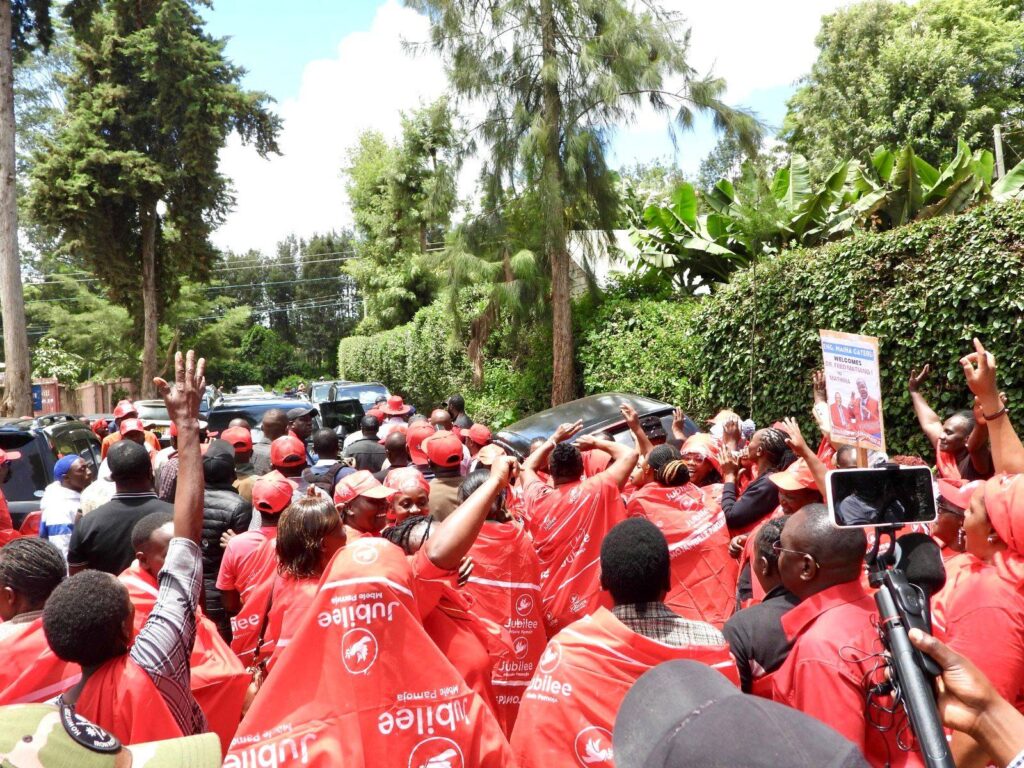
The Jubilee Party strategy in Mt Kenya is increasingly built on a fragile assumption—that Rigathi Gachagua’s political mobilization will ultimately benefit its presidential candidate, Fred Matiangi. But beneath this expectation lies a growing political mirage, one that risks collapsing at the ballot.
Jubilee’s quiet approach stems from the belief that Gachagua will consolidate Mt Kenya into a formidable voting bloc, weakening rivals and energizing the ground, only for the party to later tap into that momentum. Some within its ranks even assume they can eventually attract leaders elected under Gachagua’s Democracy for Citizens Party (DCP). This explains their reluctance to confront him or build parallel grassroots structures.
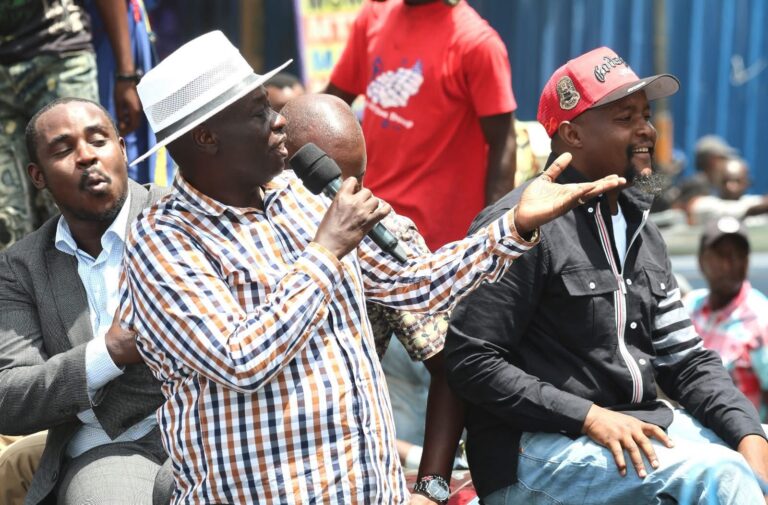
However, Gachagua’s strategy points in a completely different direction. His focus is not on delivering a presidential victory for Matiang’i or any opposition figure, but on securing a dominant share of elected leaders in Mt Kenya under his direct influence. By doing so, he positions himself as the region’s ultimate power broker—one who can negotiate with whoever forms the next government.
In that equation, President William Ruto may offer a more attractive path. A second-term presidency would create room for high-level political deals, and Gachagua, armed with a loyal bloc of MPs, would be well placed to extract concessions, influence governance, and secure his own political future.
For Matiang’i, this misalignment is critical. Without control of the Mt Kenya political machine and relying on a figure whose interests are transactional rather than aligned, his path to State House becomes uncertain. Jubilee’s gamble assumes cooperation where there may be none.
If the party continues to sit back, expecting to benefit from Gachagua’s groundwork, it risks a harsh reality: the Mt Kenya mirage may fade, leaving Matiang’i without the numbers he needs when it matters most.