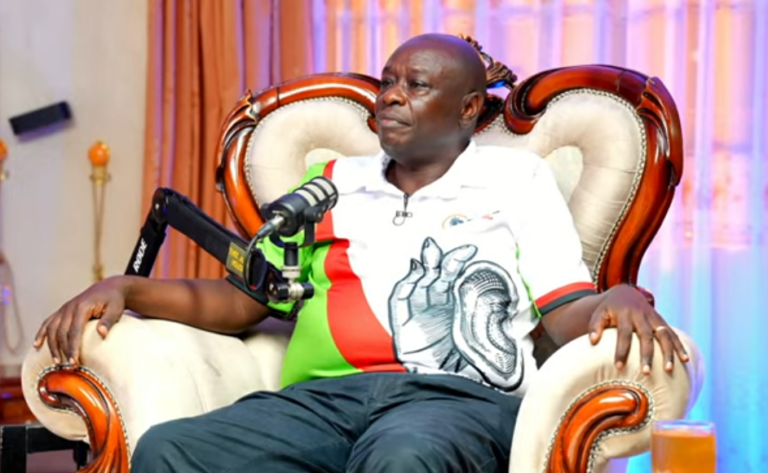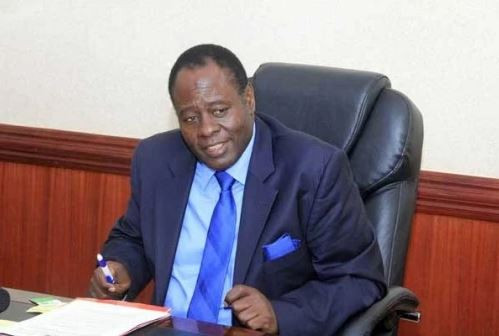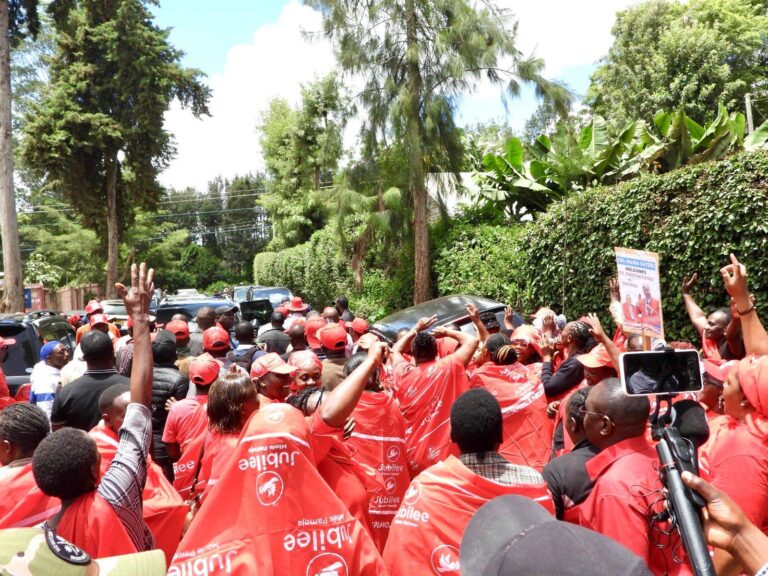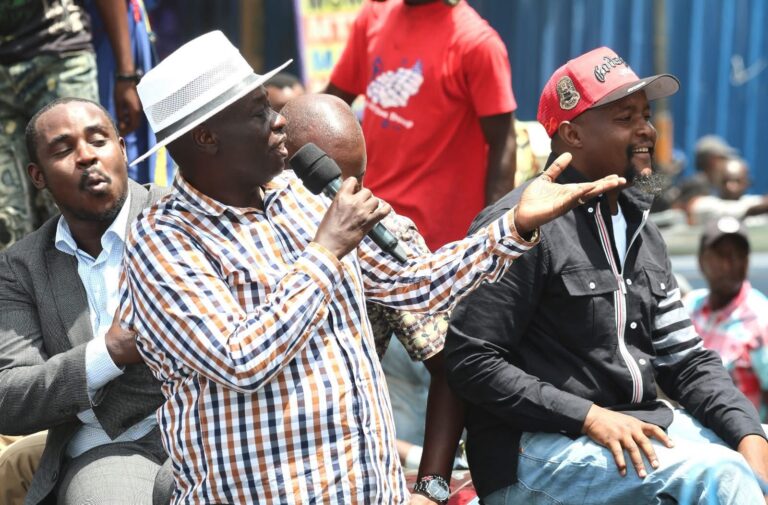
The Jubilee Party appears increasingly hesitant to directly confront Rigathi Gachagua in Mt Kenya politics, a posture that analysts say stems from both political calculation and strategic misreading. At the heart of this caution is a belief within Jubilee ranks that Gachagua’s growing grassroots mobilization could ultimately benefit them—particularly if it delivers votes for their preferred presidential candidate, Fred Matiangi.
This assumption, however, may prove to be a costly illusion. Jubilee insiders are said to believe that once Gachagua helps consolidate Mt Kenya into a formidable voting bloc, they could later poach elected leaders aligned to his Democracy for Citizens Party (DCP) when Matiangi becomes president. This explains their reluctance to antagonize him or aggressively rebuild their own structures on the ground.
Yet Gachagua’s strategy appears to be moving in a different direction altogether. Rather than working to secure a win for any single opposition candidate, he is widely viewed as focused on delivering a majority of MPs and local leaders under his direct influence. Such a bloc would give him significant leverage regardless of who wins the presidency.
In this context, President William Ruto emerges as a potential preferred partner. As a second-term leader, Ruto would be freer to negotiate political deals, and Gachagua could leverage his regional dominance to secure concessions, influence government formation, and position himself for future ambitions.
The implication is stark: Jubilee risks being outmaneuvered. While it adopts a wait-and-see approach, Gachagua is actively consolidating power with no guarantee of sharing the benefits. If current trends persist, Jubilee may find itself sidelined in Mt Kenya, watching from the periphery as political deals are struck without its involvement.