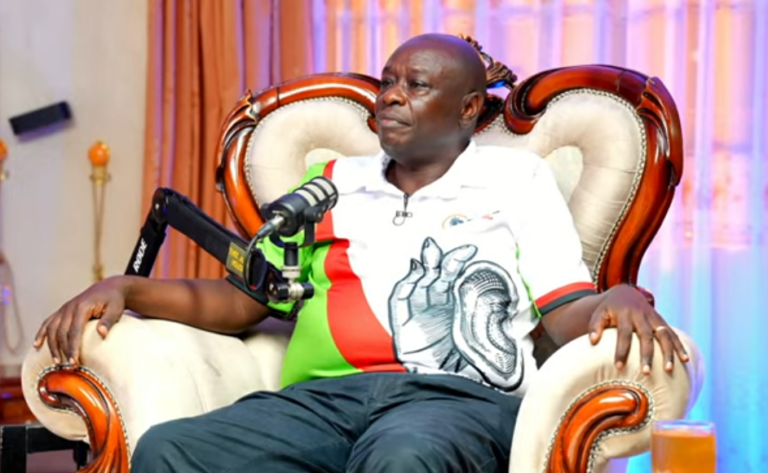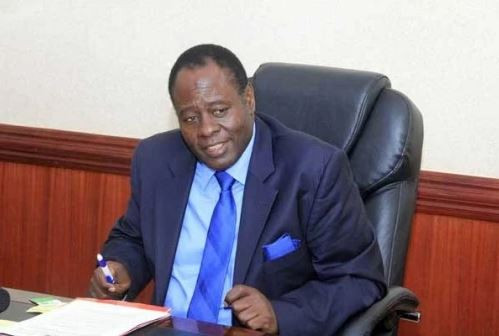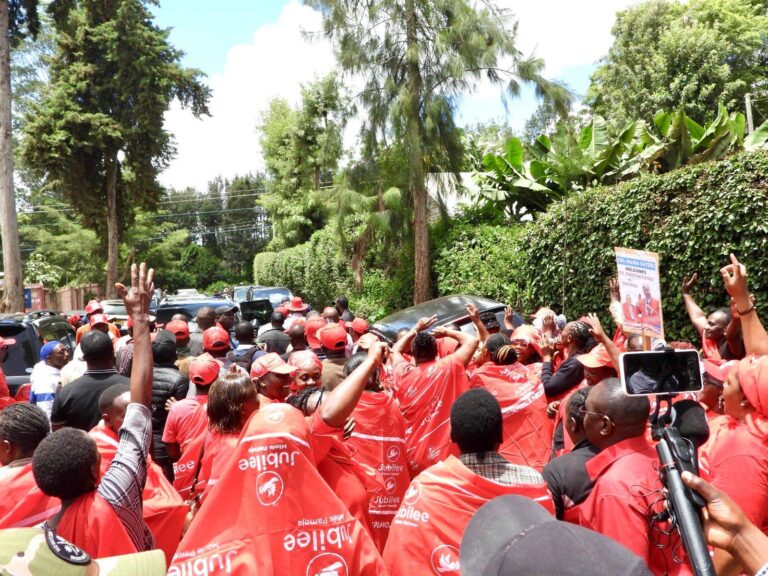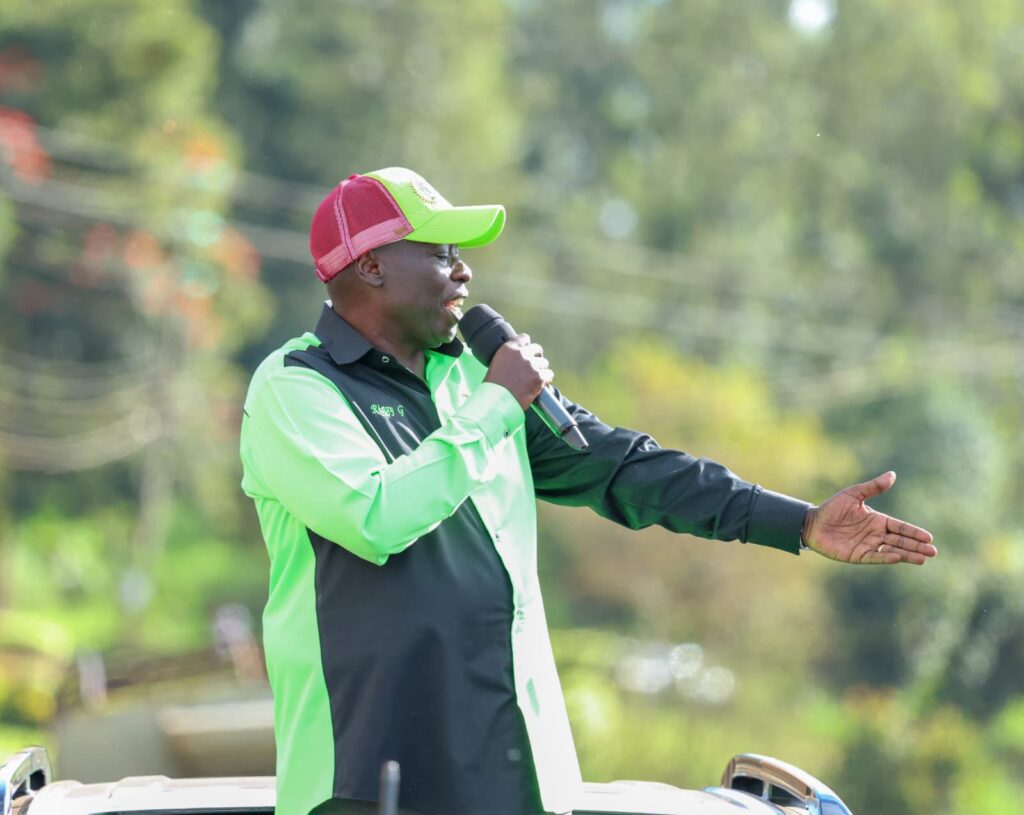
Yesterdays political outburst by Rigathi Gachagua in Murang’a County has sparked debate over his leadership priorities, after he suggested replacing Governor Irungu Kang’ata with a preferred ally, Wairagu. The remarks have raised concerns among residents and observers who view the move as politically motivated rather than driven by public interest.
Governor Kang’ata has, in recent rankings and public opinion, been seen as a performing leader focused on service delivery and development. Calls to replace such a leader, critics argue, signal a shift from evaluating leaders based on performance to prioritizing political loyalty. For many in Murang’a, this raises a fundamental question: are leadership decisions being guided by the needs of the people or by the ambitions of political consolidation?
Gachagua’s strategy appears to center on building a strong political base by ensuring that key elective seats—Members of County Assembly (MCAs), Members of Parliament (MPs), senators, and governors—are occupied by individuals aligned to his political camp. This approach, while common in competitive politics, risks sidelining merit and accountability in favor of loyalty. Analysts suggest that such a network can later be used as a bargaining tool in national power negotiations, especially during coalition-building after elections.
However, this model has drawn criticism for being detached from everyday realities facing citizens. Residents are more concerned with service delivery—roads, healthcare, education, and economic opportunities—than with which political faction controls leadership positions. Replacing effective leaders purely on political grounds could disrupt ongoing development and undermine public trust.
Ultimately, the Murang’a outburst highlights a broader tension in Kenyan politics: the balance between political strategy and people-centered governance. As the political landscape evolves, voters may increasingly demand leaders who prioritize tangible results over political arithmetic.