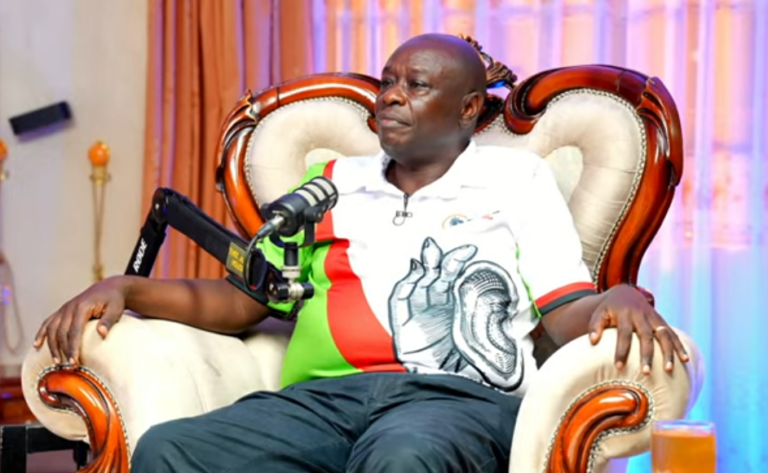
Let’s be honest—Rigathi Gachagua is being sold a political illusion, and it’s starting to show.
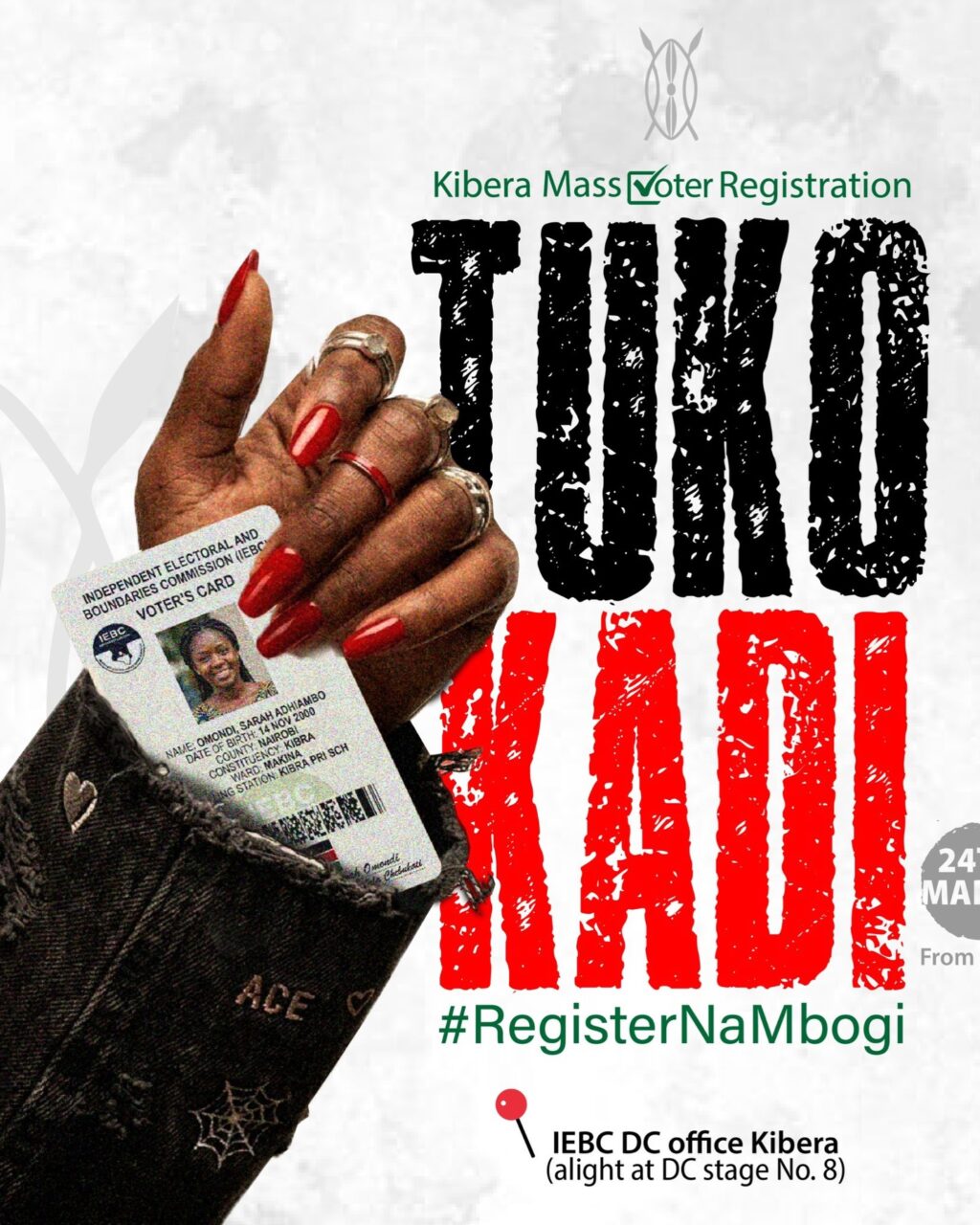
Someone clearly convinced him that Gen Z is firmly behind him—that they listen to him, follow his direction, and are just waiting for his signal ahead of 2027. But listening to him speak, especially about the so-called Niko Kadi campaign, you’d think he created the slogan himself and handed it to young people to popularize on his behalf.
That couldn’t be further from the truth.
The reality on the ground is very different. A large section of Gen Z doesn’t resonate with Gachagua at all. In fact, many openly reject him. There’s a growing disconnect between his political messaging and what young people actually care about—jobs, accountability, and authenticity, not political control games.
What’s even more telling is the reaction pattern: the moment Gachagua publicly backs a candidate, a good number of young voters instinctively move in the opposite direction. If he shifts support, they shift again—or completely disengage from anyone associated with him. That’s not influence; that’s resistance.
This isn’t just a minor political miscalculation—it points to a deeper problem. Gachagua seems to believe he can command a demographic that fundamentally values independence and rejects top-down political direction. Gen Z is not a voting bloc you can “deploy” or control; they organize themselves and push back against perceived manipulation.
If he continues down this path, he risks further alienating a generation that will play a decisive role in future elections.
The sooner Gachagua accepts this reality, the better—not just for his political strategy, but for his own clarity moving forward.