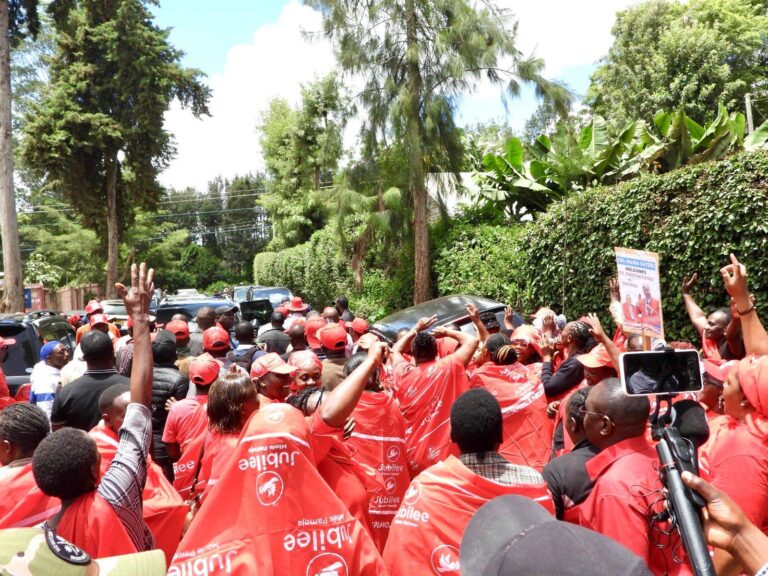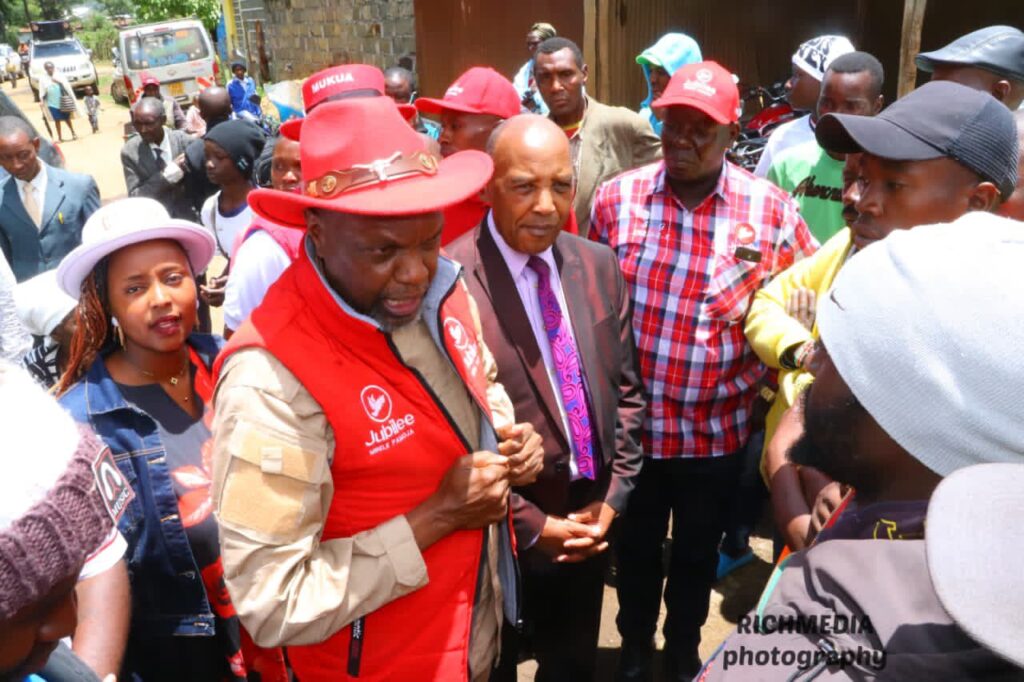
The ongoing political friction between Rigathi Gachagua and the Jubilee Party raises a deeper concern for Mt Kenya: the kind of leadership the region is being pushed toward. At the heart of it is not just party competition, but a clash between independent-minded leaders and those who simply echo authority.
Jubilee, despite its internal challenges, has traditionally attracted leaders who are relatively sober, grounded, and capable of independent thought. These are individuals who can question decisions, engage in policy discussions, and represent the interests of their constituents without fear. Such leaders are not always loud, but they bring stability and measured leadership — qualities that have long defined Mt Kenya’s political identity.
On the other hand, Gachagua’s political style appears to favor loyalty over competence. His discomfort with strong, grounded leaders is increasingly evident. Instead, there is a growing preference for what many describe as “tugeges” — the “yes sir” kind of politicians who rarely challenge authority and are more focused on pleasing the top than serving the people.
This shift is dangerous. A region cannot thrive on blind loyalty. It needs leaders who can think critically, negotiate effectively, and even disagree when necessary. By sidelining independent voices and undermining Jubilee’s resurgence, the risk is that Mt Kenya will be left with a political class that lacks depth, courage, and vision.
If Jubilee is weakened or pushed out, the region could lose a vital pool of experienced and competent leaders who are capable of standing up to petty politics. In their place would emerge a culture of unquestioning loyalty — one that prioritizes obedience over service.
Mt Kenya must therefore ask itself: does it want leaders who can speak and act independently, or a lineup of “tugeges” who simply say yes?