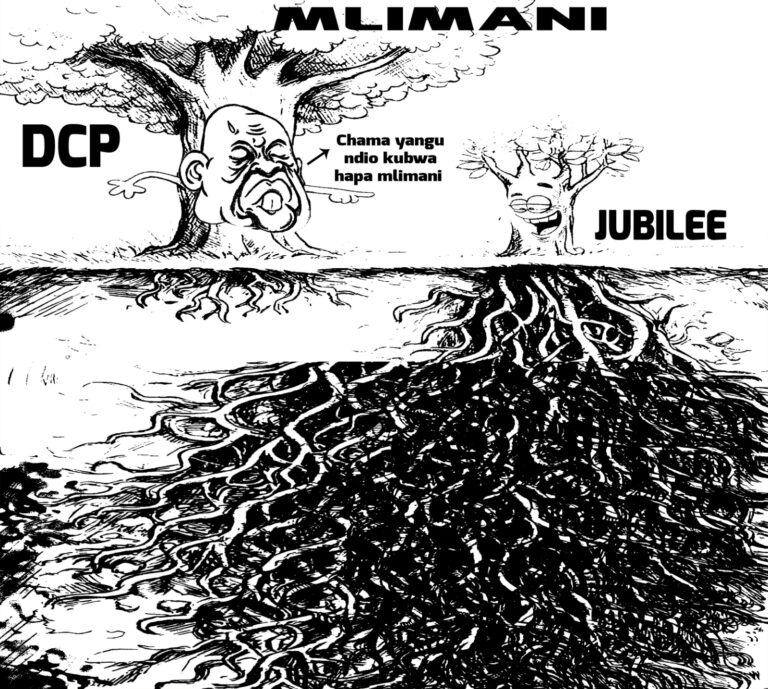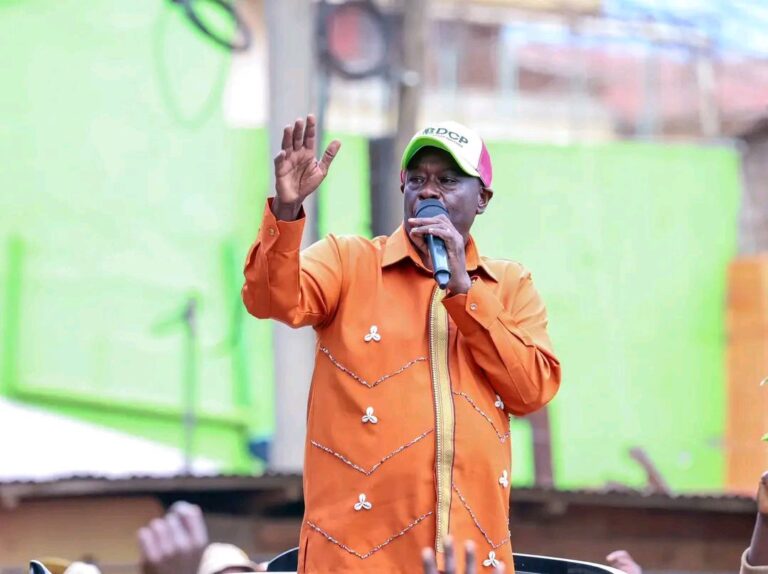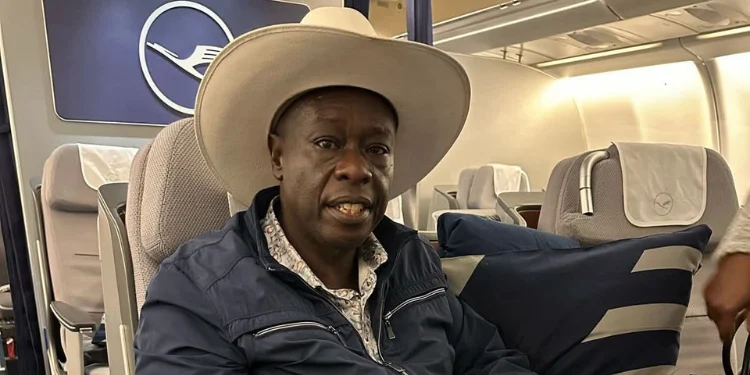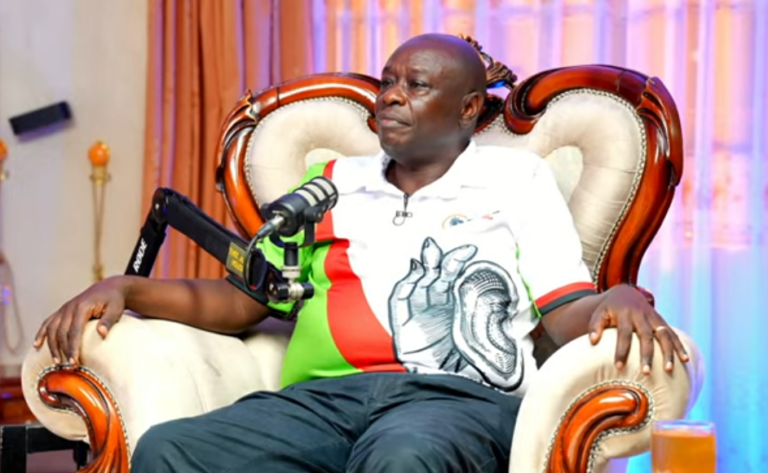
In recent months, Rigathi Gachagua has dominated political discourse in the Mt Kenya region with one consistent message — “Wantam.” Remove the chants of “Ruto must go,” strip away the slogans and street rhetoric, and a serious question emerges: what exactly does Gachagua offer beyond political noise?
Leadership is not built on repetitive slogans. It is grounded in ideas, policy direction, and the ability to unite people across divides. Yet Gachagua’s public posture increasingly appears anchored on grievance politics rather than solutions. The constant mobilization around anger may excite crowds, but it does little to address the real challenges facing Mt Kenya — rising cost of living, youth unemployment, struggling farmers, and access to markets.
More concerning is the tone of his politics. Critics argue that his messaging leans heavily toward ethnic mobilization, framing national issues through a narrow regional lens. At a time when Kenya requires cohesion and shared purpose, such an approach risks isolating the very region he claims to champion. Leadership should expand influence, not confine it.
Mt Kenya has historically produced leaders known for strategic thinking, economic focus, and national outlook. From cooperative movements to business innovation, the region’s strength has always been its pragmatism. That legacy demands more than chants and confrontation — it calls for vision.
So the question remains: beyond “Wantam,” what is Gachagua’s plan? What policies is he advancing? What economic blueprint does he offer for the region’s future?
If these questions cannot be clearly answered, then the concern is valid — that beneath the loud rhetoric lies an absence of substance. And if that is the case, Mt Kenya must ask itself honestly: is this truly the best leadership it can put forward?