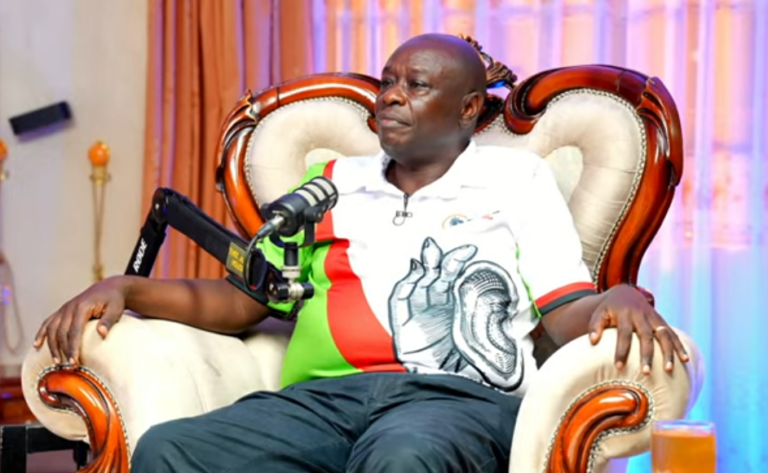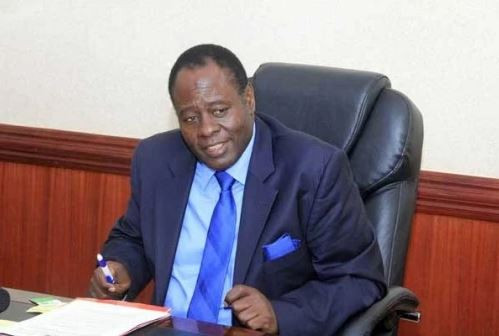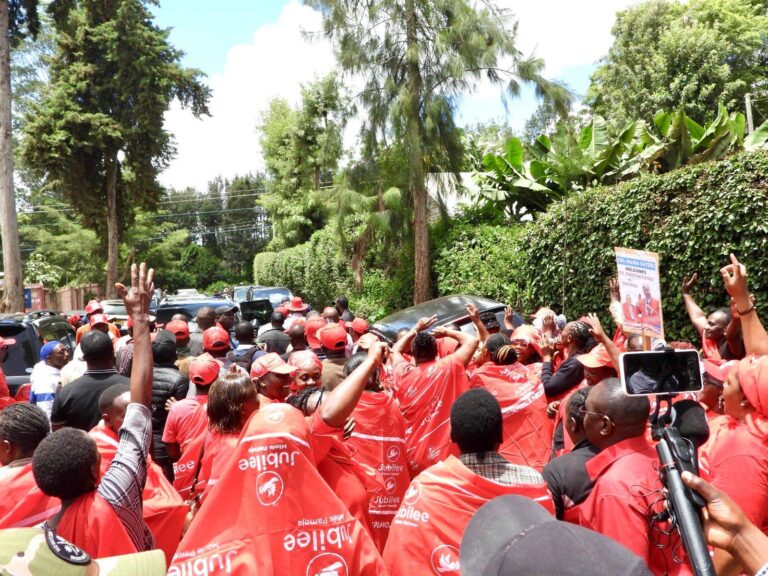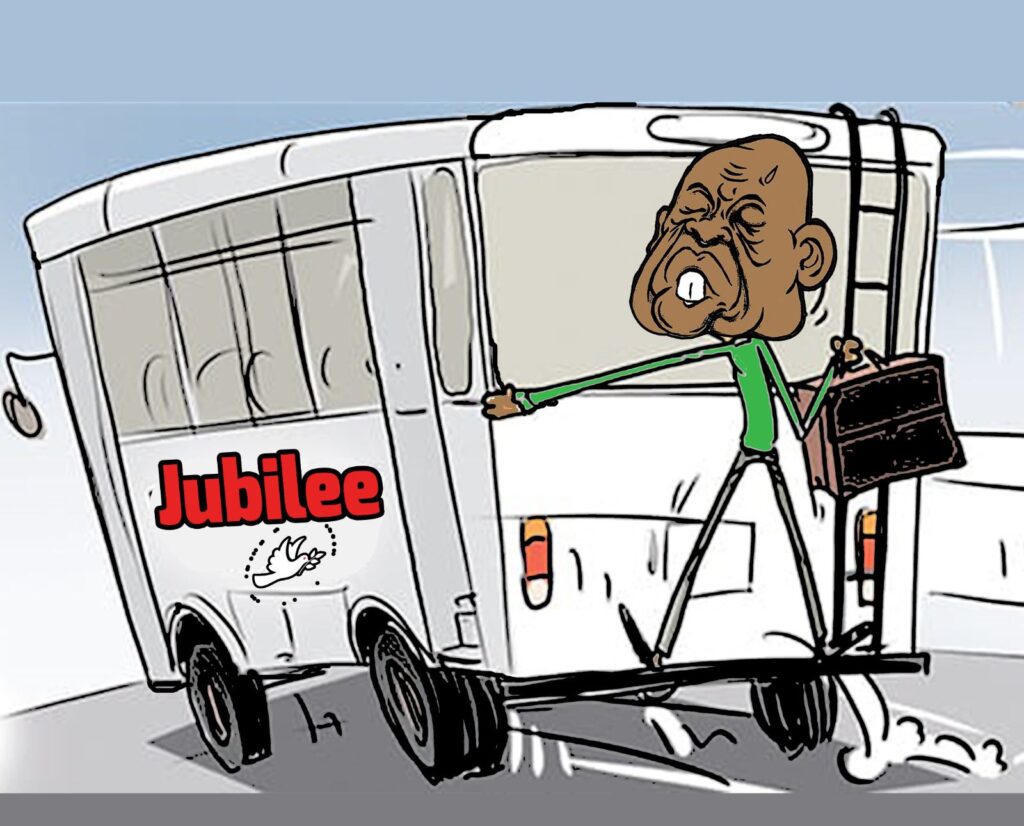
The future of Jubilee Party is increasingly under scrutiny, with growing claims that Rigathi Gachagua is actively working to keep the once-dominant party from regaining its footing—especially in the Mt Kenya region.
Jubilee remains one of the few parties with an established national structure and deep grassroots networks. In Mt Kenya, it still holds historical loyalty and organizational strength. Political observers now argue that this makes it the only party capable of directly challenging Gachagua’s emerging outfit, the Democracy for Citizens Party (DCP) in the region.
According to critics, this is precisely why Jubilee is facing resistance. A revived Jubilee would “eat into” DCP’s influence in Mt Kenya, weakening Gachagua’s political base. As a result, there are claims that efforts are being made to ensure that only DCP thrives in the region, while Jubilee is gradually sidelined.
Part of this strategy, analysts suggest, involves controlling the political narrative around “unity.” Meetings branded as opposition unity forums have reportedly become contested spaces, with Jubilee figures allegedly being restricted from addressing rallies in Mt Kenya. This has fueled perceptions that Gachagua is uncomfortable with giving Jubilee a platform to reconnect with the electorate.
There are also concerns that Jubilee aspirants are being discouraged or overshadowed in local mobilization efforts, further limiting the party’s visibility. Meanwhile, alternative structures aligned to DCP continue to gain prominence.
Supporters of Gachagua dismiss these claims, arguing that political competition is inevitable and that Jubilee’s struggles are self-inflicted. However, the pattern has raised questions about whether the playing field in Mt Kenya is being deliberately tilted.
As 2027 approaches, the battle for Mt Kenya appears to center on one key issue: will Jubilee be allowed to rebuild, or is it being systematically edged out to secure DCP’s dominance?